Last updated November 18, 2026

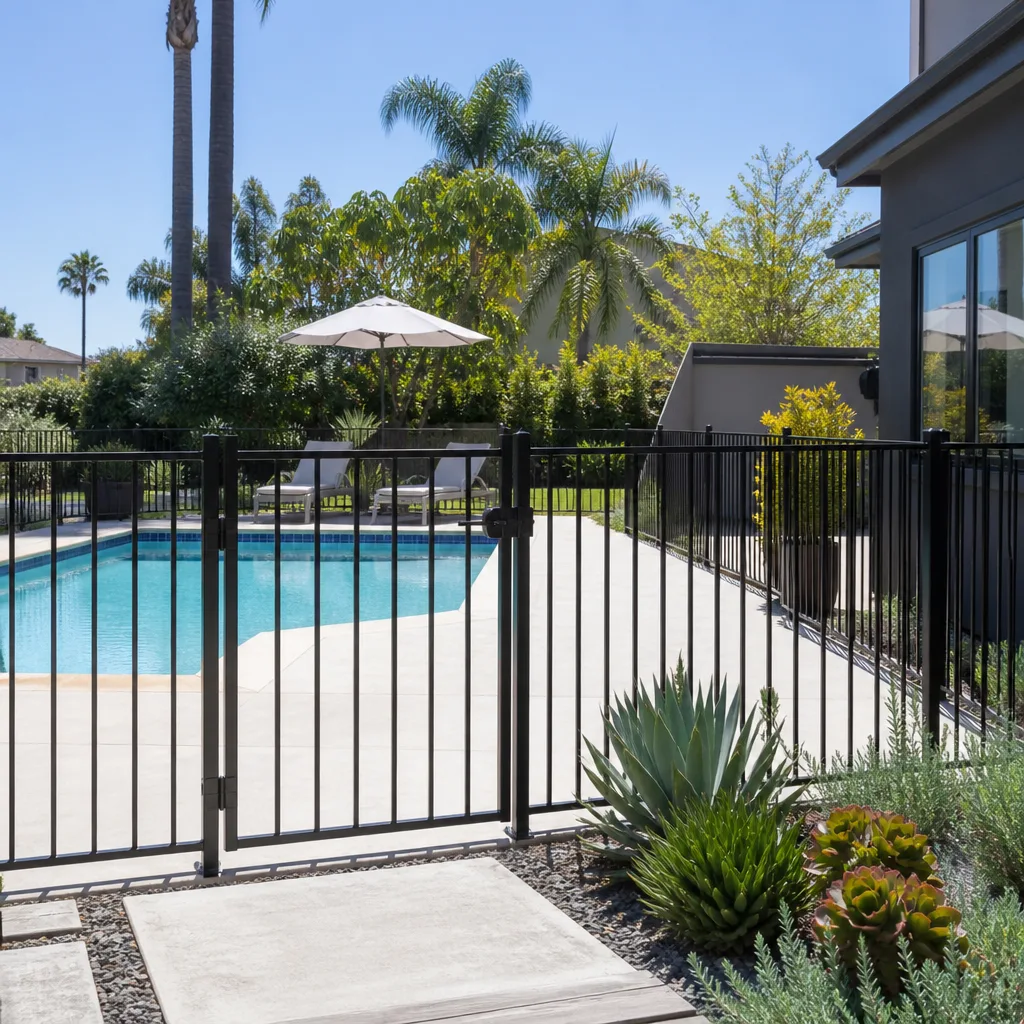





Free written scope consultation - allowances, timeline, and change-order rules on paper before a single trade is scheduled
Construction Emergency Preparedness Guide for Costa Mesa Homes
Most construction emergencies we see in Costa Mesa aren’t really construction failures. They’re information failures. A rain event pushes water through a tired roof flashing and the homeowner doesn’t know where the attic hatch is, doesn’t own a tarp, and has no roofer’s number saved. Small problem becomes a big one. The homeowner who prepared spends the evening containing water. The one who didn’t spends weeks managing mold, drywall, and an insurance claim. This guide covers the specific risk profile for Costa Mesa homes, what to stage before an emergency, how to document your house now, and how to establish a contractor relationship so a crisis call is answered instead of ignored. Read it once, save it, and the next storm costs you far less.
Quick Answer
Construction emergency preparedness for a Costa Mesa homeowner means three things: knowing where your main water, gas, and electrical shutoffs are and how to operate them; keeping a small kit with a roof tarp, weights, hydraulic cement, and an emergency drain plug on hand; and having a construction contractor with your address and home details on file before an incident happens. Winter rain and Santa Ana winds are the two predictable local triggers. The 30-minute photo audit and shutoff walk-through at the end of this guide are the highest-return preparation you can do this month.
Styles & brands we work with
- Kitchen remodeling
- Bathroom remodeling
- Home additions & ADU
- Roofing
- Windows & doors
- Driveway & pavers
- Fence
Table of Contents
- The Costa Mesa Construction Risk Profile
- The Physical Emergency Kit Every Home Should Have Staged
- The 30-Minute Photo Audit That Saves Hours on Every Claim
- Shutoff Literacy: Water, Gas, and Electrical Mains in a 1960s-80s Costa Mesa Home
- Storm Response: What to Do When Water Is Coming In
- Santa Ana Winds, Fences, and the Damage That Follows
- Landscape and Hardscape Work: Preventing Utility Strikes
- The Contractor Relationship to Establish Before You Need It
The Costa Mesa Construction Risk Profile
Costa Mesa doesn’t get the construction emergencies you read about in national guides. No freeze-thaw cycles cracking foundations every spring. No snow load on roofs. Instead, we deal with a specific set of local pressures, and they’re predictable enough that you can prepare for them in advance.
Winter rain is the first and largest. Costa Mesa gets a concentrated rainy season, and the storms tend to arrive after months of dry weather. Roof flashing that’s been dormant through summer gets tested. Older window frames that have held up fine all year can leak sideways when wind pushes rain against them. Flat or low-slope roof sections on additions and garages are especially vulnerable because they drain slowly even when everything is working correctly.
Santa Ana winds are the second major trigger. When those dry, fast winds come off the inland valleys, they stress fences, patio covers, mature trees, and anything attached to a wall that has weakened fasteners. We’ve seen plenty of damaged fence sections in Costa Mesa after a single wind event, and the pattern is almost always the same: posts that had been slowly loosening for a year or two finally let go.
Third is what we’d call self-inflicted: utility line strikes during landscape or hardscape work. Trenching for irrigation, digging out old pavers, setting fence posts 30 inches into the ground. Water mains, gas service lines, and low-voltage runs are surprisingly shallow on some older properties. A wrong shovel hit turns a weekend project into a plumbing or utility emergency in about two seconds.
Foundation movement from soil saturation is the slow version of all of this. After a heavy rain season, soils in parts of Costa Mesa swell and shift. That can produce new hairline cracks in stucco, sticking doors, and gaps in hardscape where the subgrade has shifted. None of these are emergencies on their own, but they’re worth documenting before they become a much bigger conversation.
The Physical Emergency Kit Every Home Should Have Staged
The supplies you need to contain a construction emergency are inexpensive and easy to source locally. The problem is that almost nobody buys them until after the first incident. Store these in a single labeled bin in the garage, and keep the tarp accessible without moving anything heavy.
- Heavy-duty roof tarp (at least one, 12×16 ft or larger) with enough sandbag weights or bricks to hold it in place without nails.
- Hydraulic cement in a sealed container. It sets underwater and is the fast fix for active leaks in concrete, block walls, and pool shells.
- Emergency drain plug or a rubber plumbing test plug sized to your floor drain. Useful when a slow drain turns into a backup.
- A printed card with the locations of your water, gas, and electrical mains written in plain language, taped inside the garage or utility closet.
- Flashlights and a headlamp with fresh batteries, not the ones from the camping bin you can’t find in the dark.
- Heavy plastic sheeting and painter’s tape for covering furniture or blocking a window breach.
- A wet/dry shop vacuum if you don’t already own one. It’ll pull up an inch of standing water faster than any mop.
- A waterproof folder with copies of your insurance policy, the photo audit (see next section), and your contractor’s contact number.
None of this is expensive, and none of it requires special skill to use. The point isn’t to turn yourself into an emergency responder. It’s to buy yourself a few hours to call a professional while the water is still contained to one area instead of spreading into the walls.
The 30-Minute Photo Audit That Saves Hours on Every Claim
Your insurance adjuster and your contractor both need the same thing during an emergency: a clear baseline of what your home looked like before the damage. Without that baseline, every conversation turns into a negotiation about what “was already like that.” With it, you can prove what was original and what was new damage in about 30 seconds.
Walk the exterior perimeter first, then the interior room by room, then the attic and crawlspace if you can safely reach them. Take wide shots from each corner of each room, then close-ups of anything you’d want to compare later. Here’s the numbered approach we recommend:
- Exterior four sides. Stand at each corner of the house and shoot toward the opposite corner. Wide shots first, then close-ups of gutter ends, flashing, window corners, and the base of any fence posts.
- Roof from the ground. Use a zoom lens. Capture every edge, every valley, and the full line where the roof meets any wall or chimney. Do not go on the roof for this. Steep and wet roof surfaces cause serious injuries every year.
- Interior ceilings and floors. Photograph each ceiling and each floor as a wide shot, then anything you’d want to compare: a faint stain, a hairline crack, a spot near a window.
- Attic and crawlspace. Shoot the underside of the roof deck, the tops of walls, and any plumbing or electrical penetrations. These are the hidden spots where leaks show first.
- Utility shutoffs. Photograph the water main, the gas meter and shutoff, and the electrical panel with the door open. Note the label on each breaker.
- Backup everything. Upload to cloud storage, and keep a copy on a USB drive in the waterproof folder from your kit.
Do this once a year. Takes about 30 minutes for a typical Costa Mesa home, and it’s the single most useful preparation step you can take for insurance claims and contractor scoping. Specialists install and warranty products from more than 50 brand-name manufacturers, and having clean documentation means bids come back faster and more accurate.
Shutoff Literacy: Water, Gas, and Electrical Mains in a 1960s-80s Costa Mesa Home
If you only do one thing after reading this guide, do this. Find each shutoff, photograph it, and operate it once when nothing is wrong. Costa Mesa has a lot of housing built between 1960 and 1985, and shutoff locations in that era vary from house to house. Knowing yours is the difference between a slow drip that gets dealt with and a flooded living room at 11 p.m.
Main Water Shutoff
Most single-family homes in Costa Mesa have a main shutoff valve near the front yard box at the property line, or against the house where the main line enters. It’s often in a concrete box with a metal or plastic lid. Some homes have a second shutoff at the water heater, which is worth knowing separately. Turn the valve slowly. Gate valves can be stiff on older properties without regular use, and you don’t want to force one and break the stem. If the valve won’t turn, call a licensed plumber before you need it under pressure.
Gas Meter and Shutoff
The gas meter is usually on the side or rear of the house. The shutoff is a quarter-turn valve on the pipe just above or beside the meter. Turning it so the handle is perpendicular to the pipe shuts off the flow. Do not use tools to force it. If you ever smell gas and can’t turn the valve by hand, leave the house and call the gas utility from outside. Once you shut the gas off, only the utility re-lights the appliances, which is why you don’t want to shut it off for a small issue. Save it for a real emergency.
Electrical Main
The main breaker is the double-width breaker at the top or bottom of your panel, whichever position your panel uses. It’s usually labeled “Main.” Flipping it off kills power to the whole panel, not just one circuit. Note the panel’s location and take a photo with the door open, so you can find the right breaker in the dark if you ever need to. Never open the panel cover to reach inside. The bus bars and lugs are live even with the main off in some configurations, and the risk of electrical shock in this area is real. For a tripped circuit, use the labeled breaker handles. For anything more, call a licensed electrician.
Storm Response: What to Do When Water Is Coming In
Rain coming in through a roof, a window, or a wall is the most common construction emergency we hear about in Costa Mesa during the winter. The first hour is what determines how much damage you’re dealing with. Here’s the sequence we recommend, in order.
- Stop the water source if you can. If water is coming from a plumbing failure, shut off the main. If it’s rain through the envelope, you can’t stop it, so move to step two.
- Protect the interior. Move furniture and electronics away from the water. Put buckets under active drips. Throw towels at the base of the wall where water is spreading.
- Contain, don’t chase. A shop vacuum pulls up standing water before it goes under baseboards. Don’t drill holes in the ceiling to release trapped water unless you know where the pooled water is sitting. That’s a job for a professional.
- Call a contractor. Have your saved number ready. If water is entering through a roof, don’t wait for morning if you can help it. The faster a tarp is placed, the less interior damage you’ll deal with.
- Document everything. Photograph the water before you clean it up, photograph the damage, and photograph anything you moved. Insurance adjusters work from what’s documented.
Same-day mitigation is what keeps a $900 mitigation job from becoming a $9,000 remediation job. Call (855) 506-4558. We answer 24/7. Fast dispatch from 7am to 7pm, Sunday through Friday.
When the immediate crisis is resolved, your next step is a proper roof assessment, because a leak during a storm is a symptom of a bigger envelope problem. If the damage has reached the point where roofing, windows, and interior finishes all need to be addressed, that’s where Construction Costa Mesa becomes the single point of contact instead of three separate specialists.
Santa Ana Winds, Fences, and the Damage That Follows
Santa Ana wind events stress different parts of the house than rain does. Roofs are built for wind uplift, but fences, patio covers, and gate hardware are often the first to fail. If you’ve lived through one wind event in Costa Mesa, you probably already know the sound of a fastener letting go in the middle of the night.
The most common wind damage we see isn’t the fence falling over. It’s an individual panel or gate springing loose and hanging by one fastener, which then acts like a sail. Once a panel is hanging, the posts take the load, and they either fail or they get pulled out of alignment with the ground. If you can safely reach the gate latch and brace the loose section with a temporary 2×4, that’s worth doing. Don’t climb on a fence post to secure the top of a panel in high winds. Wait it out.
After the wind event, walk your fence line before you do anything else. Check post bases for movement, check the hardware at each gate, and look at the top rail connections. If a section of fencing is genuinely unsafe, that’s when fence installation work needs to happen. Fencing installations draw from six recognized manufacturers, so material replacement fits the original style instead of substituting something cheaper.
Wind damage also stresses window frames and doors in older homes. If you notice new daylight showing at a frame corner or a door that suddenly doesn’t latch, that’s worth a same-week call. Wind-driven movement that shifts a window frame slightly can quickly turn into a rain leak when the next storm arrives.
Landscape and Hardscape Work: Preventing Utility Strikes
The construction emergency most homeowners never see coming happens during a landscape or hardscape project. You or a hired crew starts trenching for irrigation, digging out pavers for a new driveway, or setting fence posts into the ground. Two inches below where you expected, you hit a buried line.
The three that come up most often are irrigation mains, gas service lines, and buried electrical runs to exterior lights or detached structures. On older properties, none of these are guaranteed to run in a straight line, and their depth varies. The fix is simple and worth the effort before any digging begins.
- Call 811 at least two business days before any digging. This is the free underground utility locator service. They mark gas, water, electric, and telecom lines. It’s free, it’s fast, and it’s the single most important safety step.
- Check your property records for private lines. Utility locators don’t always mark what a previous owner added, like a privately-installed irrigation run or a yard-building feeder. If you have records, look at them.
- Hand-excavate anywhere within 24 inches of a marked line. A shovel is slower than a machine and much less likely to cause a strike.
- Know your gas shutoff before any work begins. If a strike does happen, a fast shutoff can prevent the situation from becoming a fire or explosion hazard.
If a gas line is hit, stop work, get everyone away from the area, and call the gas utility from outside the home. Do not turn anything electrical on or off, do not use a phone inside the house, and do not try to stop the flow yourself. A water main strike is less dangerous but just as expensive if it runs for an hour before it’s shut off. This is where an experienced contractor pays for itself. Driveway & pavers work in Costa Mesa involves a surprising amount of subgrade excavation, and we’ve learned to plan around the utilities before a single paver is moved.
The Contractor Relationship to Establish Before You Need It
When a storm is coming down and water is entering your house, the hardest call to make is the first one to a contractor you’ve never spoken with. Every serious contractor in Costa Mesa gets a flood of those calls during a storm event, and the ones with your address and project notes already on file get called back first. That’s the real value of establishing a relationship ahead of time.
Here’s what we mean by “on file.” Before an emergency, walk your home with a contractor and let them see the roof, the fence line, the utility shutoffs, and the current state of the interiors. You don’t have to be buying anything in that moment. The relationship is that when there’s a genuine incident, we already know the layout of your house, we know whether the roof is GAF or another system, we know whether the windows are original or upgraded, and we know whether the fence is wood or one of the manufacturer systems. That’s the difference between a same-day response and three days of cold-calling.
It matters even more because modern construction emergencies rarely stay in one trade. A winter roof breach often goes from roofing to windows to interior drywall and paint. When you’re already working with a single-source contractor, that handoff is internal. When you’re not, you’re the one making four phone calls and comparing four bids. We design our scope that way on purpose: the full exterior envelope and the full interior under one contract. We install and warranty products from more than 50 brand-name manufacturers, so material choices are specified, not substituted. If a window frame has to be rebuilt with a Therma-Tru door system after wind damage, that’s on the same schedule as the roofing repair and the drywall.
At the end of an emergency, the real question is what happens next. If the incident reveals something bigger, like a foundation issue that needs to be addressed with a full addition or a rebuilt section, we handle those too. Our home additions & ADU team works with both site-built and prefab/modular options, so the path forward matches what local zoning actually allows.
Common Mistakes to Avoid
- Not knowing the shutoff locations. Homeowners who can’t find the main water shutoff during an emergency spend the next two hours trying to find a valve that was 20 feet away the whole time. Do the walk-through once.
- Skipping the roof from the ground during the photo audit. Most people photograph the interior and forget the roof. The roof is the part insurance adjusters ask about first, and it’s the part that changes most between seasons.
- Digging before calling 811. This is free and it’s the law. Landscape and hardscape work that digs without a locator ticket is choosing to take on the risk of striking a utility, and the resulting repair is on the homeowner.
- Waiting for a leak to get worse before calling. Water damage compounds. A slow drip through a roof flashing that gets addressed in the same week is a repair. The same drip that goes unaddressed through a rainy season is a mold remediation.
- Doing temporary repairs on high roof areas yourself. Steep roof pitch, wet surfaces, and even modest heights cause serious injuries every year in Costa Mesa. Tarp from the ground if you can. Let a professional get on the roof.
- Not keeping a paper copy of the policy and the photo audit. Cloud backups are great until the power goes out and you’re searching for a phone charger. Keep the waterproof folder in the garage.
- Hiring the first contractor who answers during a storm. Price-gouging and uninsured work both spike during emergencies. Your pre-established contractor is the right call; a stranger from a flyer is not.
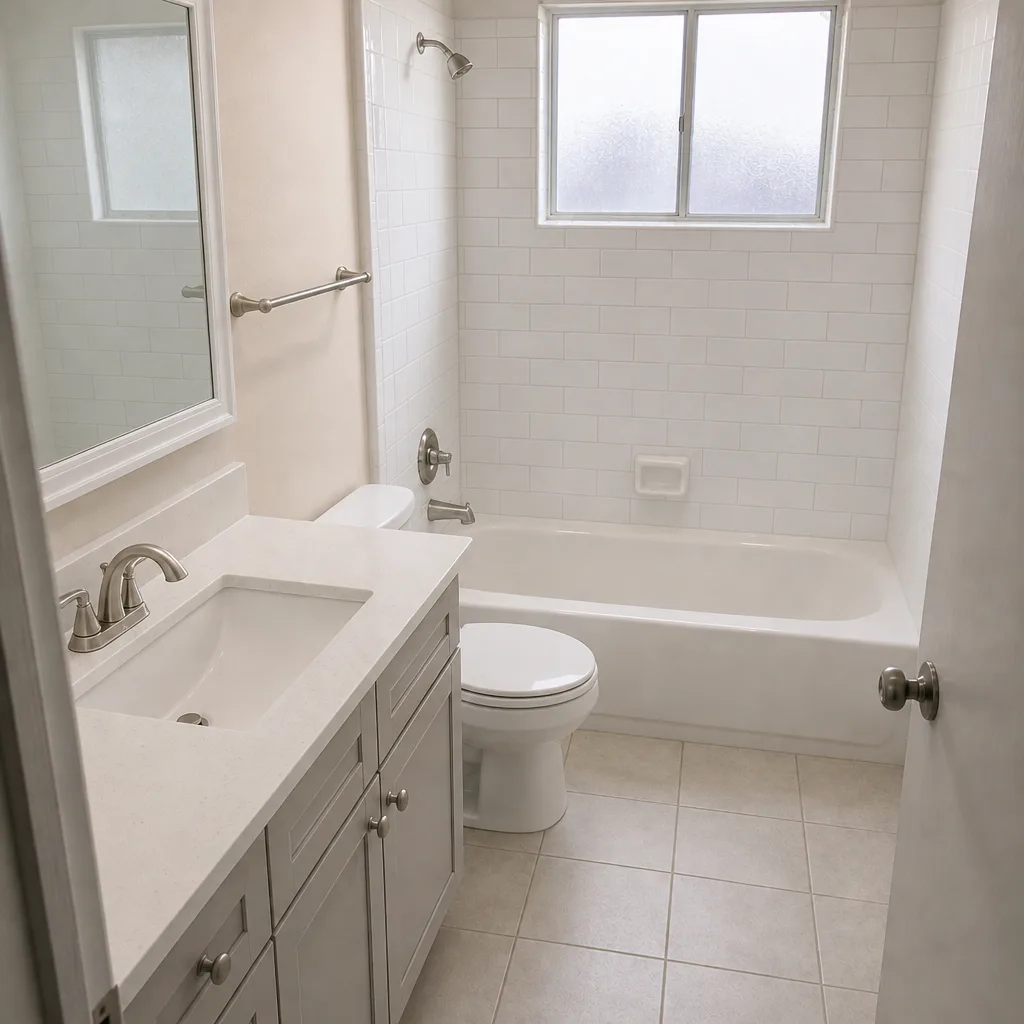
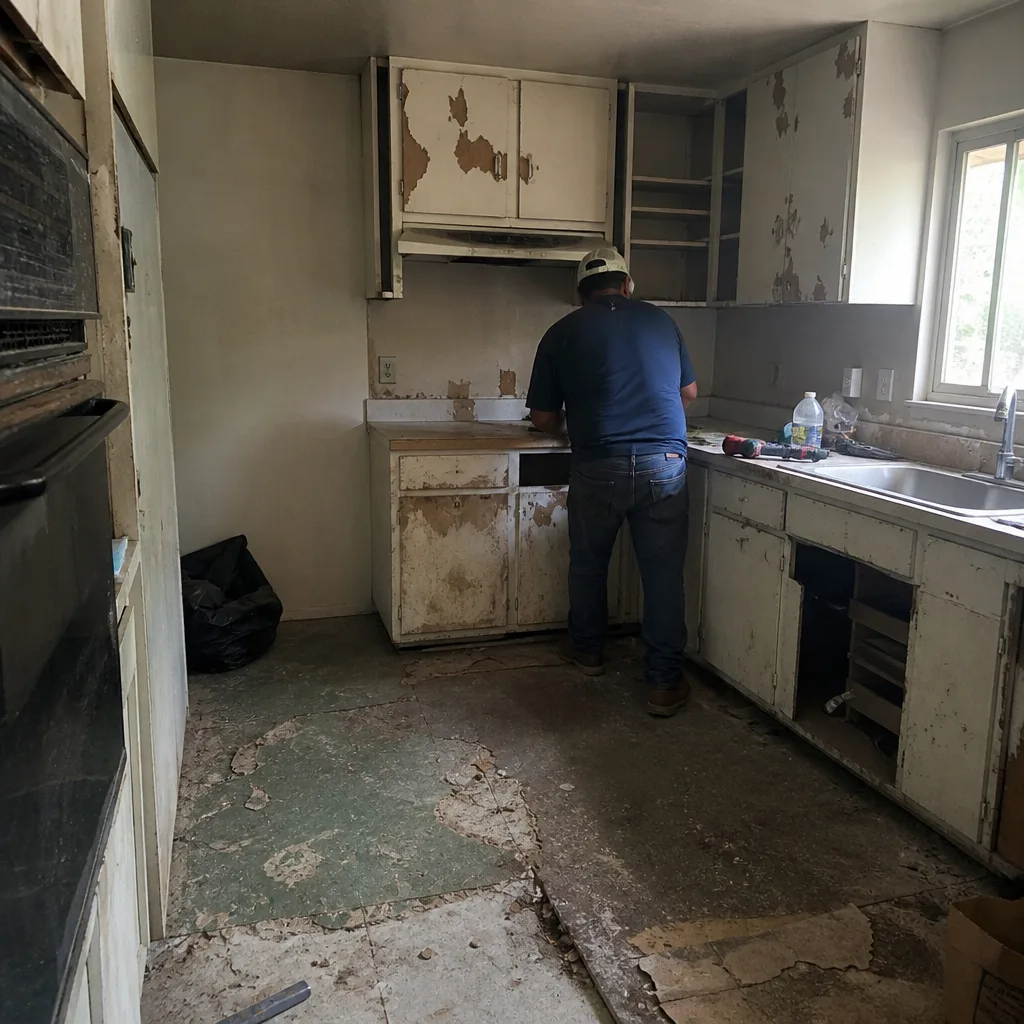
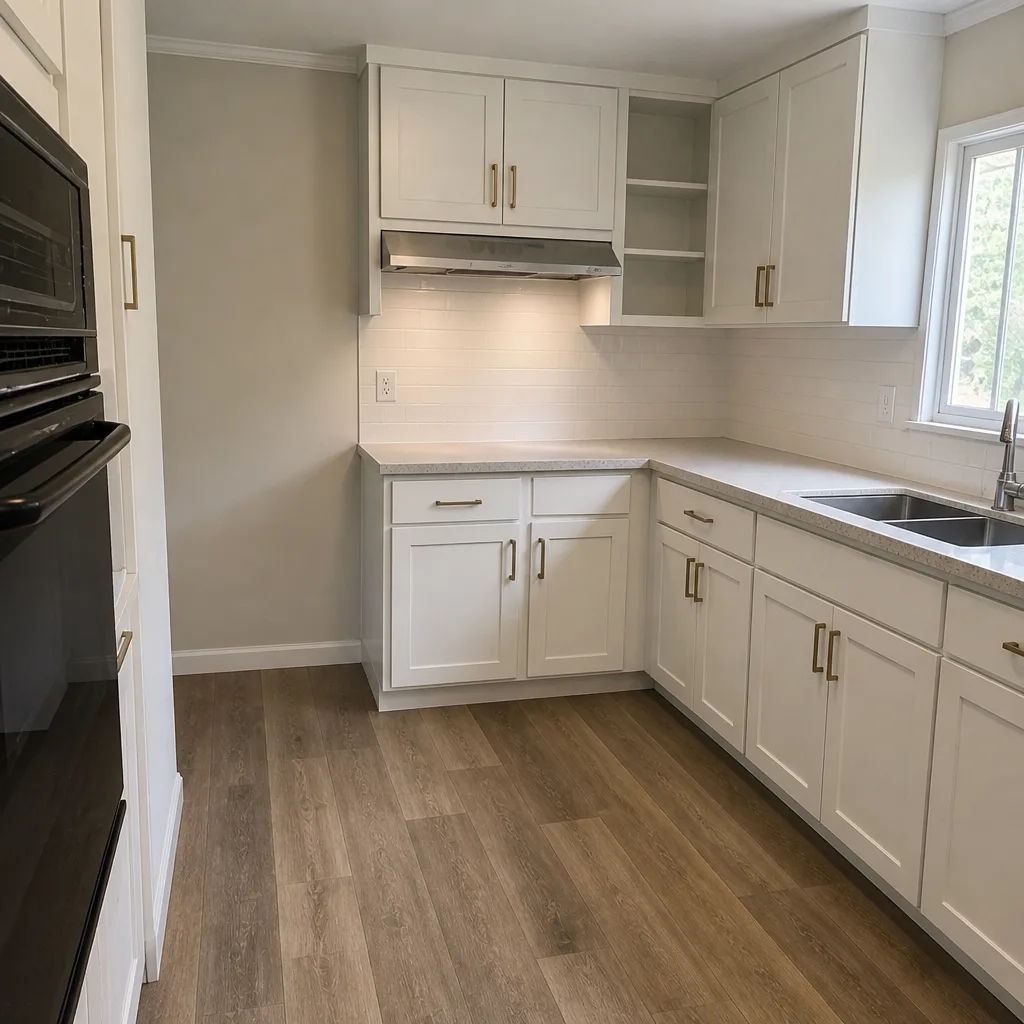
See the difference
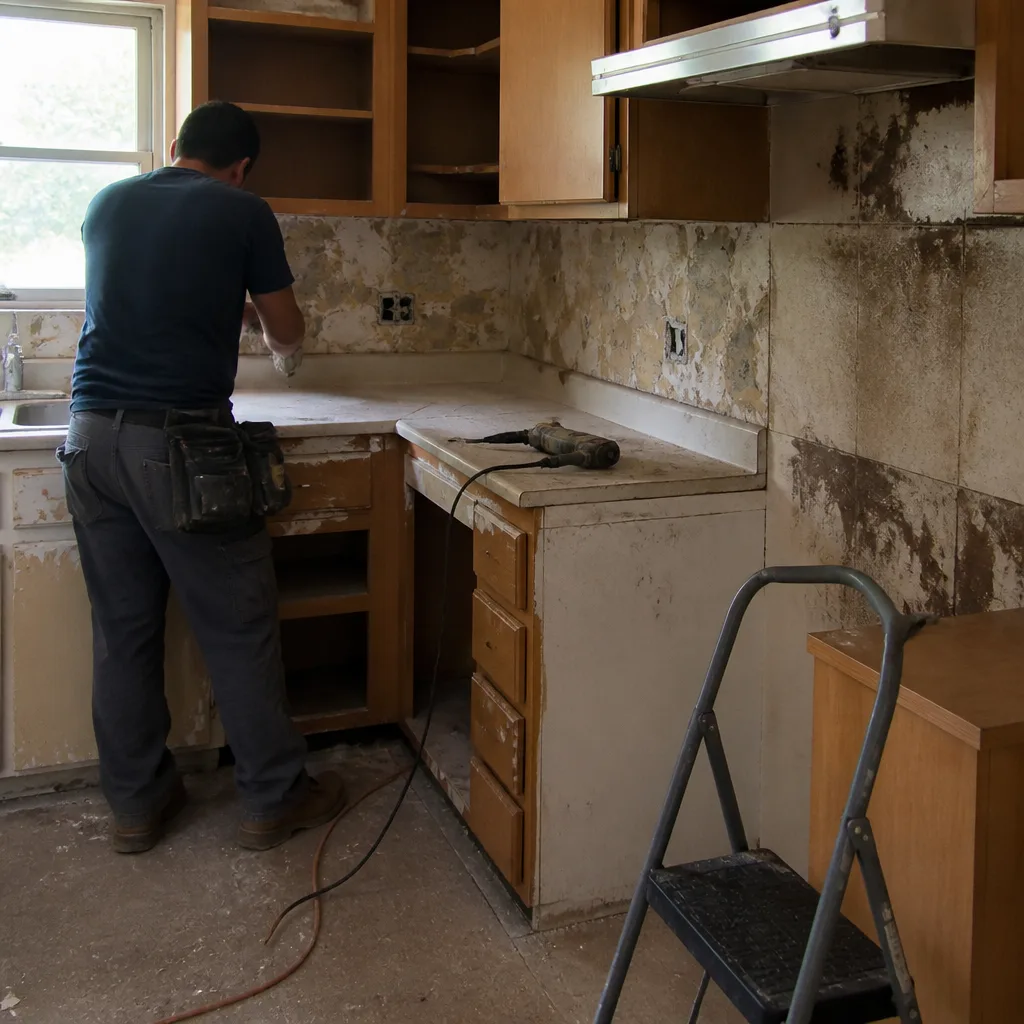 Before
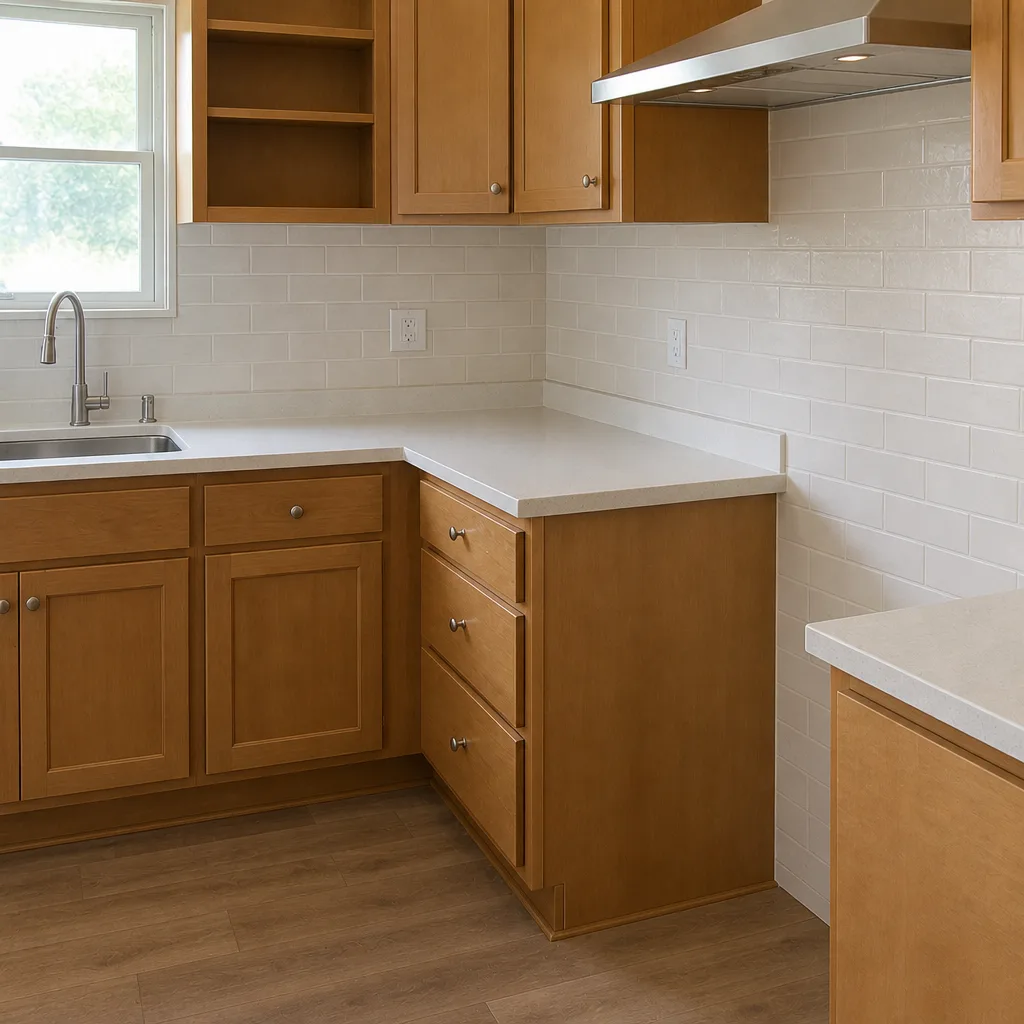 After
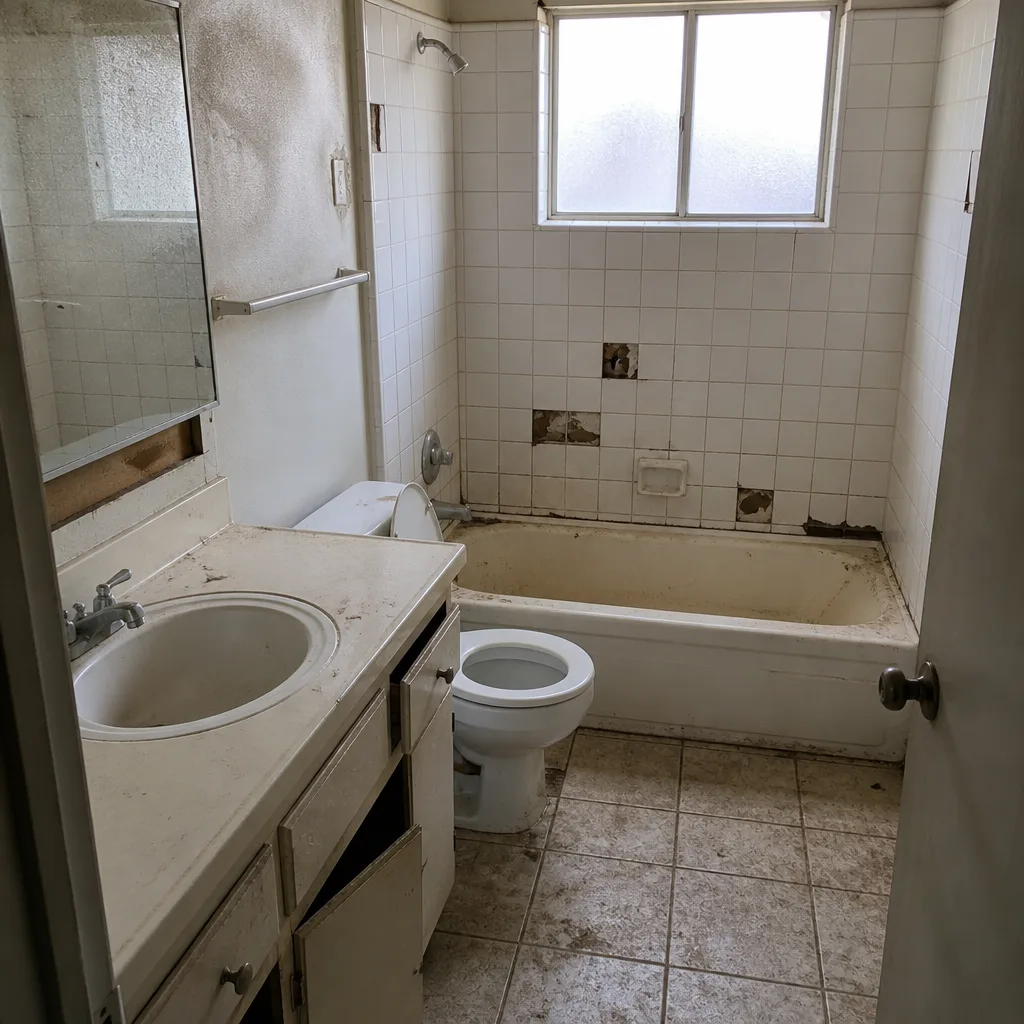 Before
 After
 Before
 After
When to Call a Professional
Call a professional when water is actively entering the interior of the house, when a gas line has been struck or you smell gas and can’t shut it off, when a fence or patio cover section is hanging and could fall on someone, when a window or exterior door frame has shifted after a wind event, or when your own inspection turns up cracks in stucco, soil movement around a footing, or a leak you can’t trace. None of these are things to try to diagnose from a YouTube video. Call (855) 506-4558. We answer 24/7. Fast dispatch from 7am to 7pm, Sunday through Friday. Construction Costa Mesa offers free estimates in Costa Mesa, and that first visit is the right moment to walk the trust steps: licensed and insured, written line-item quotes, and a clear scope before any work starts.
Frequently Asked Questions

Contain the water inside, protect valuables, and call a contractor for same-day mitigation. Don’t try to get on the roof yourself in wet or windy conditions. Photograph the water and the interior damage before you clean up, and use the emergency tarp and buckets from your kit to limit spread until a professional can tarp the roof safely from above.
Most single-family homes in Costa Mesa have the main water shutoff either in a concrete box near the front property line or against the house where the water main enters. On 1960s-80s homes, it’s often a gate valve that needs to be turned slowly and not forced. Locate yours this week, photograph it, and turn it once when nothing is wrong so you know how it feels.
Some repairs need a permit and some don’t, and the answer depends on how much of the structure is being replaced. Simple repairs, like replacing a damaged shingle or replacing a single fence panel, often don’t require a permit. Full roof replacements and new fence installations do. Most cities require a permit for structural repairs, so ask your city’s building department before work begins. We pull permits for the work we perform.
Mitigation stops the water and dries the structure; remediation removes and replaces damaged materials and treats for mold. Mitigation is the first 24-48 hours. Remediation follows if the structure was wet long enough to grow microbial material. Getting mitigation started fast is what keeps a small incident from turning into a remediation project, which is why the storm response sequence matters so much.
Most policies cover sudden storm damage but not damage that resulted from deferred maintenance. That’s why the photo audit matters: it proves what condition the roof was in before the storm. Contact your insurer as soon as damage occurs, and have your contractor’s written scope ready for the adjuster visit. We can work with your insurer and provide documentation in the format adjusters usually need.
If the posts are solid and only one or two panels were damaged, section repair makes sense. If the posts are moving at the base or multiple sections have failed, replacement of the run is usually the right call. Santa Ana winds tend to expose weak posts that were already loose. We’ll walk the line and give you a written recommendation rather than defaulting to a full replacement.
Schedule a walk-through in fair weather, not during a storm. Ask the contractor to review the roof, fence, windows, and utility shutoffs, and ask them to note the home in their system so a future emergency call is not a cold call. Get a written scope and confirm the license and insurance are current. That’s the whole relationship: no work required, just a file.
The Bottom Line
Construction emergencies in Costa Mesa follow predictable patterns: winter rain testing the roof and window envelope, Santa Ana winds working on fences and exterior attachments, and digging projects that strike utilities nobody mapped. The preparation that prevents most of the damage is inexpensive and takes about an hour and a half total. Know your shutoffs and turn them once when nothing is wrong. Photograph your home annually and back up the photos. Keep a tarp, weights, and hydraulic cement in the garage. Call 811 before any dig. And establish a single relationship with a contractor who has your address and project details on file before the first storm of the season. Our technicians have up to 11 years of experience, and that experience is the difference between a controlled incident and a costly one. When you’re ready to walk your home with us, call (855) 506-4558 for a free estimate. We answer 24/7. Fast dispatch from 7am to 7pm, Sunday through Friday.
Contact

Construction Costa Mesa works across the full residential scope, from the roof down to the driveway, so a single call handles the roof, the windows, the fence, and the interior work that follows an emergency. We stage every job with a written line-item quote. Our installations are specified to manufacturer standards, using products from brands including GAF, CertainTeed, Owens Corning, Tamko, Therma-Tru, and any of the more than 50 manufacturers we’re authorized to install and warranty. If this guide has left you with a list of things to fix before the next storm, that’s a good outcome. Call (855) 506-4558 for a free estimate and let us walk the property with you.
Written by the team at Construction Costa Mesa.