Last updated November 18, 2026


Free written scope consultation - allowances, timeline, and change-order rules on paper before a single trade is scheduled
DIY vs Professional Construction: The Costa Mesa Homeowner’s Decision Guide
Most homeowners think the DIY-or-hire question is about skill. It isn’t. It’s about permits, liability, and what happens when you open a wall in a 1960s Costa Mesa ranch house and find conditions no tutorial ever filmed. Painting your own living room is genuinely free of downside. Pulling your own permit for a panel upgrade in a home with aging wiring, then failing inspection, costs more than hiring an electrician from the start. This guide maps which projects in Costa Mesa are truly do-it-yourself territory, which look simple but carry professional-only risk, and how to build the hybrid approach experienced homeowners use.
Quick Answer
In Costa Mesa, cosmetic work without permits (interior painting, landscaping, tile demolition, cabinet hardware) is genuinely DIY-viable and saves real money. Anything structural, electrical, roofing-related, or requiring a building permit carries permit exposure, liability, and older-home hazards that make professional work the cheaper path once you count the true costs. The deciding factors are permit requirements, your home’s age, and whether a mistake would surface at resale.
Styles & brands we work with
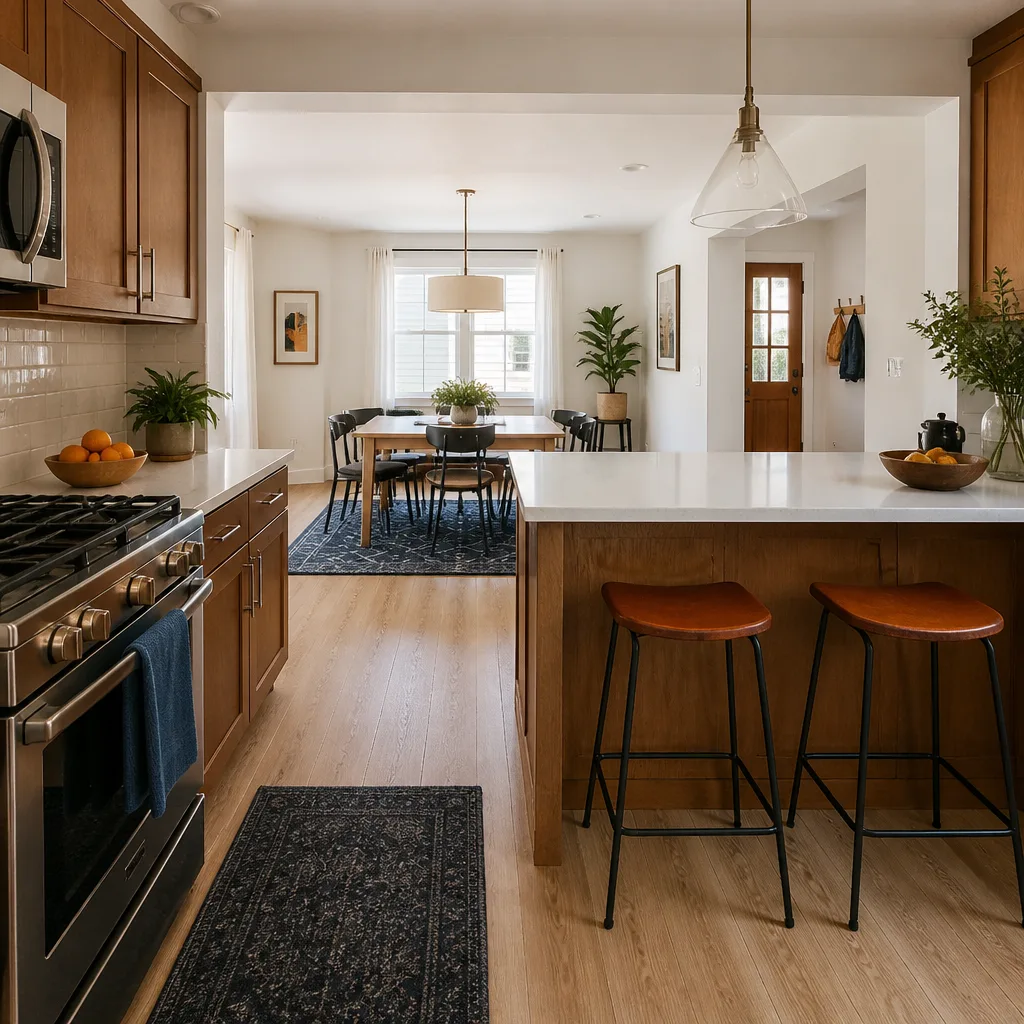
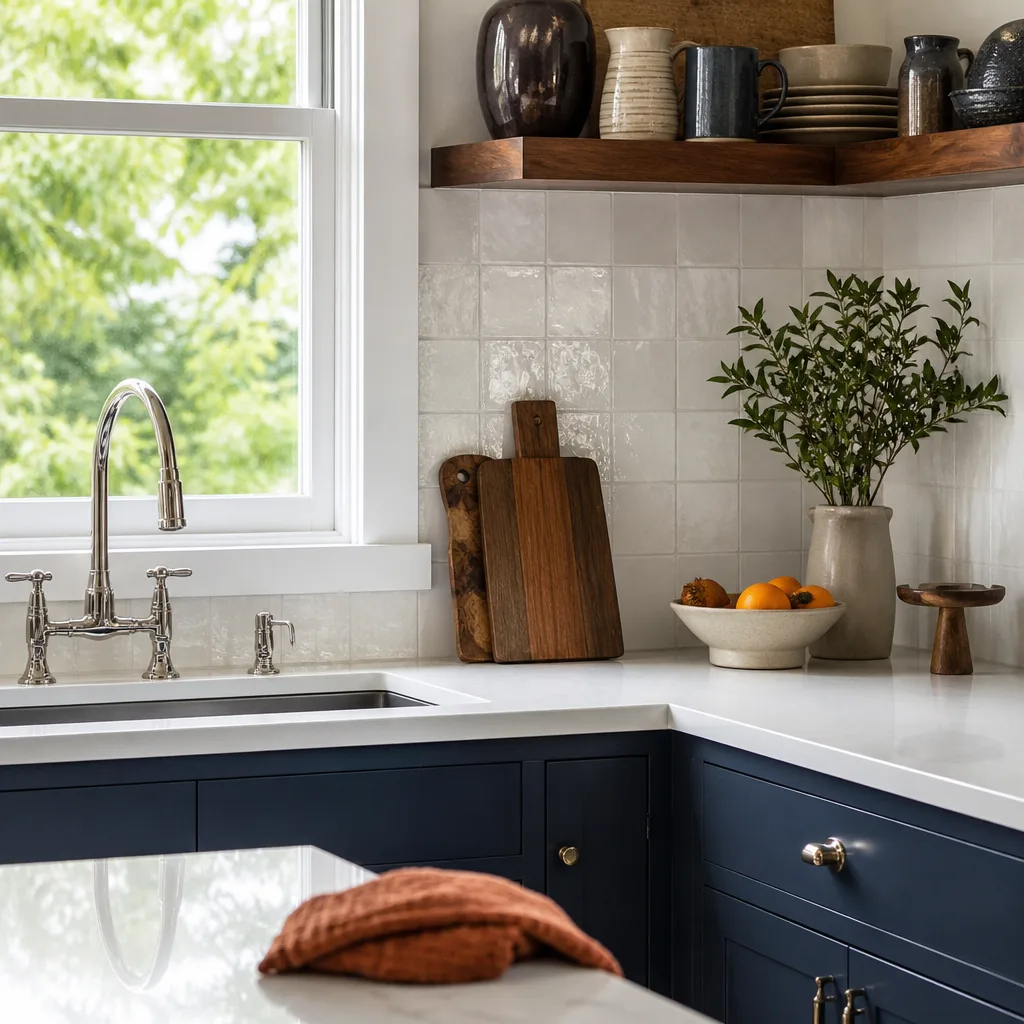
- Kitchen remodeling
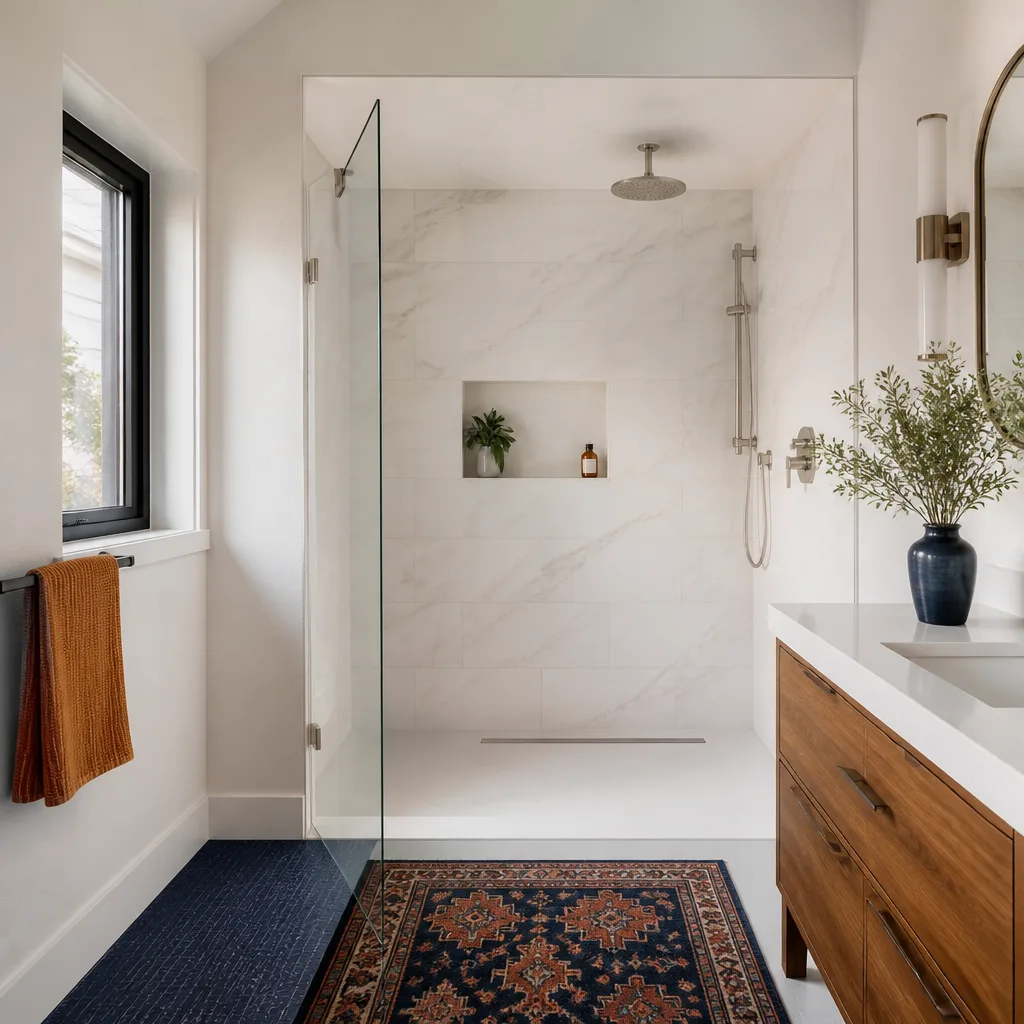
- Bathroom remodeling
- Home additions & ADU
- Roofing
- Windows & doors
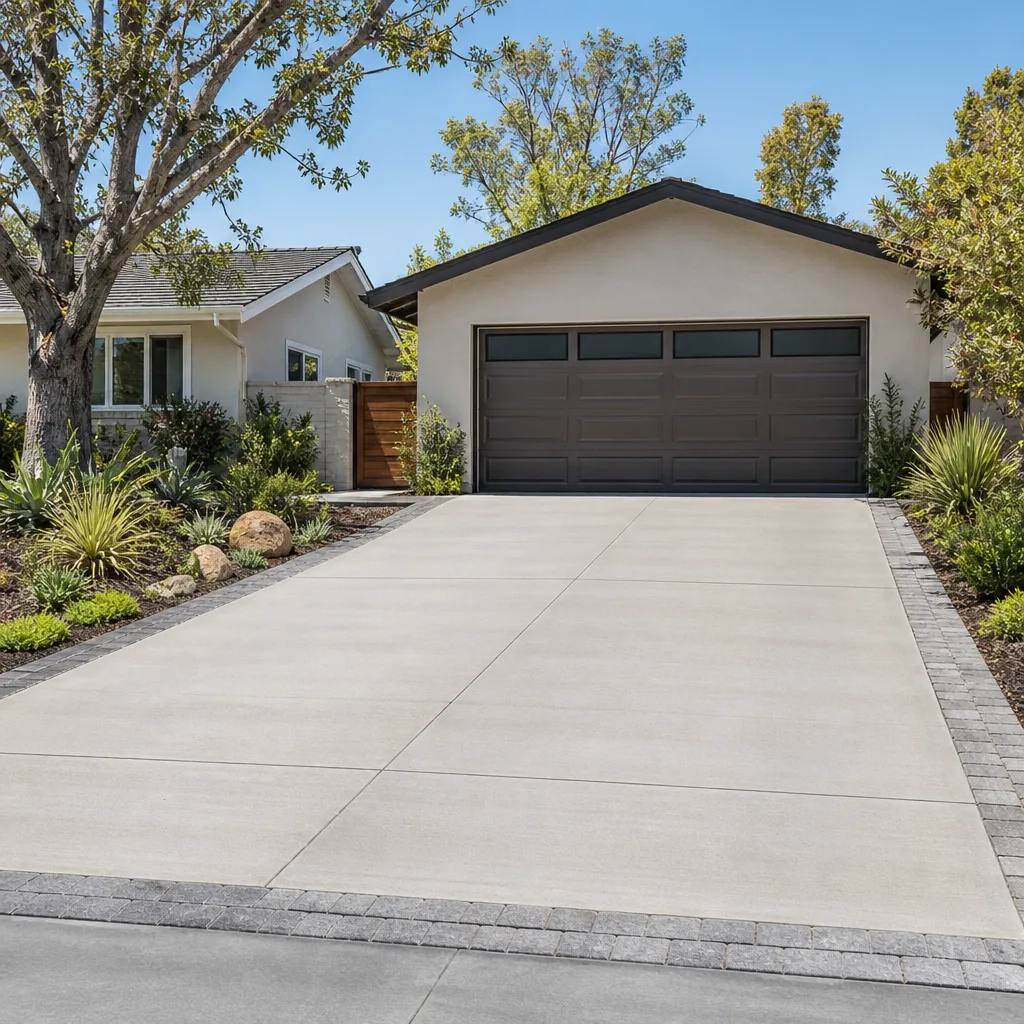
- Driveway & pavers
- Fence
Table of Contents
- The project-type matrix: what’s actually DIY-viable in Costa Mesa
- The permit exposure problem nobody warns you about
- Older-home risk: what pre-1978 Costa Mesa houses hide
- The true cost comparison methodology
- The hybrid model: DIY prep, hire the technical work
- How to protect your warranty when you do part of the work
- Costa Mesa-specific factors that change the math
- How to decide: a step-by-step framework
The Project-Type Matrix: What’s Actually DIY-Viable in Costa Mesa
We’ve watched enough Costa Mesa homeowners start a weekend project and finish it three months later to know the honest dividing line. It isn’t difficulty. It’s whether the work touches a system that inspectors, insurers, or future buyers will scrutinize.
Genuinely DIY-viable (no permit, low risk, reversible)
- Interior painting. The clearest win on the list. Materials only, no permit, no inspection, no liability transfer. Prep and technique matter, but a mistake costs a repaint, nothing more.
- Landscaping and planting. Sod, mulch, garden beds, and non-structural planting are safe territory. Retaining walls over a certain height and hardscape tied to drainage are a different story.
- Tile removal and demolition. Tearing out old tile, carpet, or dated finishes is labor-intensive but low-risk, provided you confirm nothing structural or hazardous sits underneath.
- Cabinet hardware and fixtures swaps. New pulls, a faucet swap on existing supply lines, or a light fixture replacing an existing one on the same circuit. Simple, and satisfying.
Proceed with caution (skill-dependent, some risk)
- Tile installation. Looks forgiving, isn’t. Substrate prep and waterproofing decide whether the tile lasts five years or twenty-five, and the failure shows up long after the job is “done.”
- Drywall patching. A small patch is fine. Matching texture on a large ceiling repair takes practice most homeowners don’t have yet.
- Deck staining and sealing. Manageable, but prep quality controls the outcome, and improper prep can trap moisture.
- Fence painting or staining. Safe and cheap, though installation of the fence itself is a separate call.
Professional-only (permit, structural, or safety-critical)
- Roofing. Steep-roof and height work is a genuine fall hazard, and roofing systems are only as good as their installation detail. System-matched assemblies from GAF, CertainTeed, or Owens Corning carry warranties that depend on correct installation.
- Structural work. Anything load-bearing, anything involving a beam, header, or foundation, and anything an engineer has touched.
- Electrical and plumbing beyond fixture swaps. Panel work, new circuits, and gas lines are the highest-consequence DIY territory there is.
- Anything that requires a permit. By definition, the permit pulls inspection, documentation, and liability into the project.
If your project lands in the professional-only column, that’s where a single-source contractor pays for itself. One contract covering everything from the construction Costa Mesa scope of work avoids the coordination headache of hiring four separate specialists.
The Permit Exposure Problem Nobody Warns You About
Here’s the part that surprises homeowners most: unpermitted work can follow the house, not the person who did it. In California, sellers are required to disclose known material facts about the property, and unpermitted construction is exactly that kind of fact. When you sell, a buyer’s inspector spots the addition that was never permitted, the converted garage, or the bathroom that grew two feet, and the negotiation changes.
The mechanics are simple. A permit does three things: it forces an inspection at defined stages, it creates a paper trail the city holds, and it makes the work discoverable and verifiable years later. Skip the permit and you skip all three. The work may be fine. The problem is that nobody can prove it.
What actually happens at resale
- A buyer’s inspector flags the work. Non-permitted additions, altered electrical, and changed footprints stand out to anyone who knows what to look for.
- The buyer’s lender raises questions. Appraisers and underwriters care about permitted square footage, because it affects value.
- Disclosure obligations kick in. You have to disclose what you know, and “I didn’t pull a permit” is a disclosure.
- The deal renegotiates or stalls. Sometimes the fix is a permit and a retroactive inspection. Sometimes it’s demolition. Either way, it lands on your side of the table.
Costa Mesa has a substantial inventory of mid-century homes, many of which changed hands during periods when permit enforcement was looser. When you buy one, you may inherit someone else’s unpermitted work. When you improve one, you decide whether to add to that pile or resolve it. Most building departments require a permit for structural, electrical, plumbing, and mechanical work, additions, and many remodeling scopes. The specific threshold depends on the project, so confirm it with the city’s building department before you start. We pull permits and pass inspections as a matter of course, because the paper trail is part of what you’re buying.
Older-Home Risk: What Pre-1978 Costa Mesa Houses Hide
The age of your house changes the DIY calculus completely. Homes built before 1978 carry a real probability of lead paint and, depending on the build date, asbestos in materials like floor tile, mastic, and certain insulation. Undocumented electrical work is common in homes that have passed through several owners.
This isn’t a reason to panic. It’s a reason to look before you cut.
What to check before demolition
- Year built. Confirm it on your property records. Pre-1978 is the lead paint window, and older still raises the asbestos question.
- Existing electrical. Look at the panel. If you see fuses, fabric-wrapped wiring, or a panel with no clear labeling, treat every electrical “small job” as a professional call.
- Prior renovations. Any evidence of unpermitted or undocumented work is a signal that the wall you’re about to open may contain surprises.
- Material condition. Disturbing materials that may contain asbestos or lead creates a real exposure concern. Testing and abatement are specialist work with their own regulations.
In our experience, the older-home factor is where most DIY budgets blow up. A bathroom remodel that starts as a tile swap reveals rotted subfloor, outdated plumbing, and wiring that doesn’t meet current code. The homeowner who planned for materials ends up paying for a full rebuild minus the labor they already sank into it. On a project like a home addition & ADU, that exposure multiplies, because the new structure has to tie into an old one.
The True Cost Comparison Methodology
Most DIY math is wrong because it compares materials to a contractor’s bid. That’s not the comparison. Here’s what a fair side-by-side actually looks like.
DIY cost
- Materials
- Tools, including the ones you’ll buy for this specific job and use once
- Your time at market rate (the value of the hours you’re not spending on work or with family)
- Mistake correction (the second set of materials, the redo)
- Permit risk (the inspection you failed, the work you have to redo, the disclosure at resale)
- Warranty (zero, which means all future problems are yours)
Professional cost
- An all-in written bid, line-itemized so you can see what you’re paying for
- Permits pulled and inspections passed
- A workmanship warranty
- Material specified to manufacturer standard, not substituted
- Liability transfer: if something goes wrong mid-project, it’s on the contractor, not on you
The gap narrows the moment you price your time honestly and add the correction cost. It flips the moment the job requires a permit or touches an older-home hazard. For a job like driveway & pavers, the tool cost alone (plate compactor, laser level, cutting equipment) eats most of the savings, and base prep is what decides whether the pavers stay flat for years or sink at the first rain. Ask for a written estimate and compare the line items against your honest DIY sheet. The written estimate sets the final price, and ours are free.
The Hybrid Model: DIY Prep, Hire the Technical Work
Experienced homeowners rarely go all-in on either side. They split the work by risk. You handle the labor that’s low-consequence. A pro handles the parts that carry permits, warranties, or injury risk.
How to structure the split
- Assign everything permit-related to the pro. Structural, electrical, plumbing, roofing, and anything the inspector will look at.
- Assign prep and demolition to yourself if you want. Clearing a room, removing old flooring, taking out cabinets, moving furniture. Time-consuming but low-consequence.
- Assign finish work to the pro if the failure is expensive. Tile waterproofing, drywall texture matching, and anything that fails invisibly.
- Write the split down. Both sides need to agree on who does what, and in what sequence, or you’ll hold up your own project.
- Protect the warranty. Many manufacturer warranties depend on correct installation by an authorized installer. That’s why we carry brand relationships across more than 50 manufacturers, from Grohe fixtures to Owens Corning roofing systems, so the installation matches the product’s requirements.
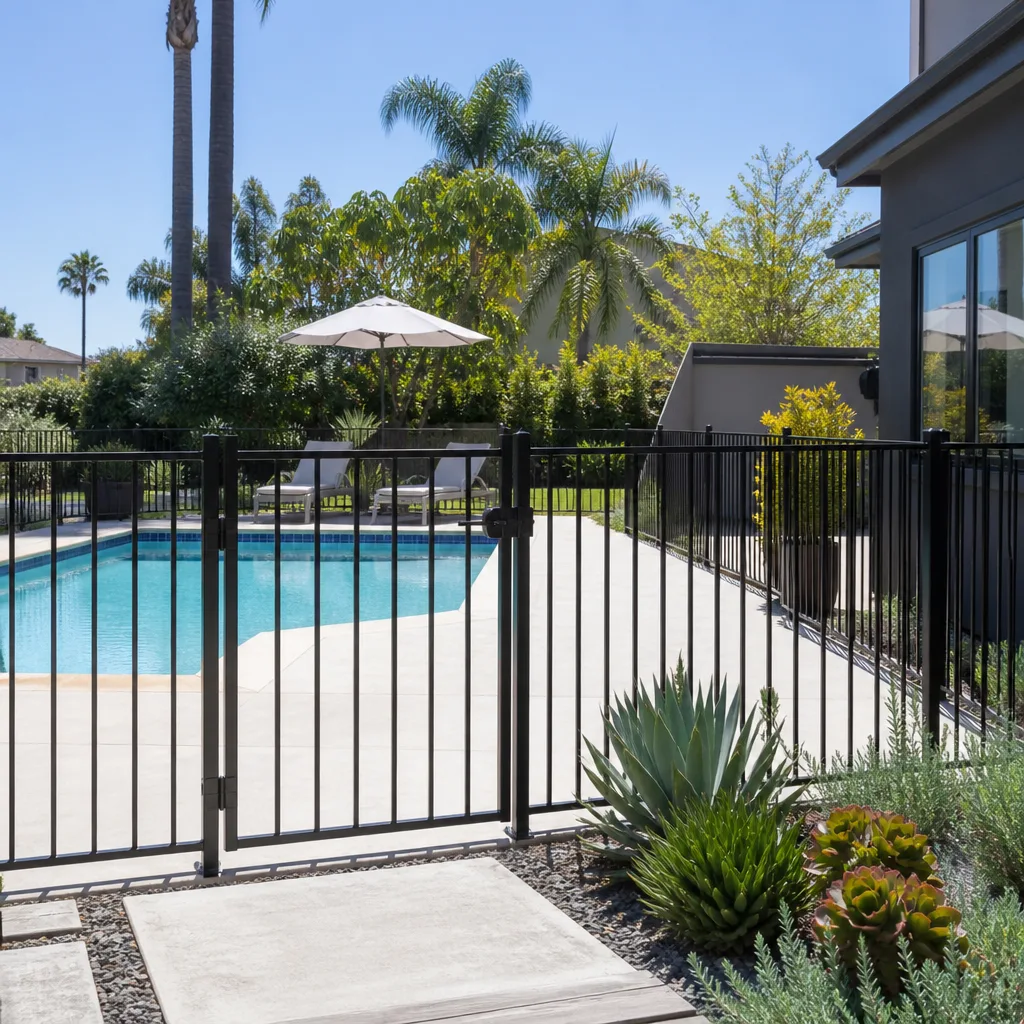
Fencing is a good example of where the hybrid works well. You can paint or stain the finished fence. You probably shouldn’t set the posts and build the structure, because fence failure is usually a post failure. When we handle fence installation, the warranty covers the structure, and you keep the low-risk finish work if you want it.
How to Protect Your Warranty When You Do Part of the Work
Manufacturer warranties and workmanship warranties are two different things, and DIY work can void either one. Manufacturer warranties typically require installation to spec by an authorized installer. Workmanship warranties are only as good as the party who offered them, and they usually exclude anything the homeowner later modifies.
Three things keep your coverage intact when you split the work:
- Confirm the installation scope in writing. Get it in the contract, which defines what the contractor installs and what you’re handling separately.
- Never modify installed work without asking. Cutting into a waterproofed shower or re-roofing around a skylight the contractor installed can void the warranty on the whole assembly.
- Keep your DIY work clearly separate. Prep and demolition that ends before the contractor starts doesn’t touch the installed work, so there’s nothing to void.
This is also why brand-matched assemblies matter. A roofing system assembled from mixed brands carries a different warranty than a system-matched assembly from one manufacturer. “Specified, not substituted” is what makes a warranty enforceable after the job is done.
Costa Mesa-Specific Factors That Change the Math
Costa Mesa’s housing stock, lot sizes, and climate each tilt the DIY-vs-hire decision in specific directions.
Mild winters, real sun. The climate is forgiving to outdoor work most of the year, which makes outdoor DIY more feasible than in harsher climates. But the sun does real damage to exposed surfaces, and that affects roofs, fences, and driveways over time. Material choice matters more here than the labor. CertainTeed and GAF shingles are engineered for sun exposure and rated accordingly; the wrong budget shingle costs you sooner.
Older housing stock. Costa Mesa has a large inventory of homes from the mid-20th century, and those homes carry the pre-1978 hazards already discussed. If you’re considering a major project on one, get an honest assessment before committing to a DIY path.
Small lots and tight setbacks. Many Costa Mesa neighborhoods have small lots with limited room for staging, which is a real constraint for materials delivery and demolition debris. A pro plans around it. A DIY homeowner discovers it on day one.
ADU interest. Costa Mesa has seen real interest in accessory dwelling units on existing lots, and the range of what local zoning allows is wide. Prefab and modular options from manufacturers like Abodu, Dvele, Mighty Buildings, Boxabl, and Plant Prefab are one path; site-built additions are another. Neither is DIY-viable. Both are worth pricing with a single contractor who handles the full scope. Your ADU options, all in one place, is the goal.
How to Decide: A Step-by-Step Framework
Run any project through these steps in order. The first one that triggers a “yes, professional” ends the DIY path.
- Does this require a permit in your city? Check with the Costa Mesa building department. If yes, go professional. The permit and inspection trail is the whole point.
- Is it structural, electrical, plumbing, or roofing? If it touches a system that carries injury or failure risk, go professional. High-consequence work belongs with someone insured for it.
- Is your home pre-1978? If so, assume older-home hazards until tested, and weigh the abatement cost into your DIY math.
- Would a mistake fail invisibly and expensively? Tile waterproofing, drywall behind walls, anything where the failure shows up later. Go professional.
- Is the job cosmetic, reversible, and low-consequence? If yes through all of the above, it’s genuinely DIY-viable. Have at it.
Once you’ve decided to hire, the next decision is which contractor, and the right answer is usually the one who can handle more than one phase. That’s the whole premise behind kitchen remodeling and the rest of our interior scope sitting under one contract with the exterior work. One contractor, every phase, means fewer handoffs and one warranty.
Common Mistakes to Avoid
- Starting work before checking permits. Two sentences on the phone with the building department can save you a resale headache years later. Do it first, not after demolition.
- Assuming a small job means a small risk. A panel swap is small. A failed panel inspection is not. Match the risk to the job, not the size.
- Skipping the older-home check. In a pre-1978 Costa Mesa home, assume surprises until you’ve tested. The wall you open might contain material with a disposal problem.
- Pricing materials against a bid. A fair comparison prices your time, tool purchases, and correction costs against an all-in written estimate, plus the value of a warranty.
- Not reading the warranty requirements. Manufacturer warranties often require authorized installation. DIY the wrong part and you void the coverage on the whole system.
- Hiring four contractors for one project. The coordination headache is real, and it costs time and money. A single-source contractor handles the envelope and the interior under one contract.
- Forgetting the resale trail. Every unpermitted change becomes a disclosure. Every permitted one becomes a selling point. The paperwork is part of the asset.
See the difference
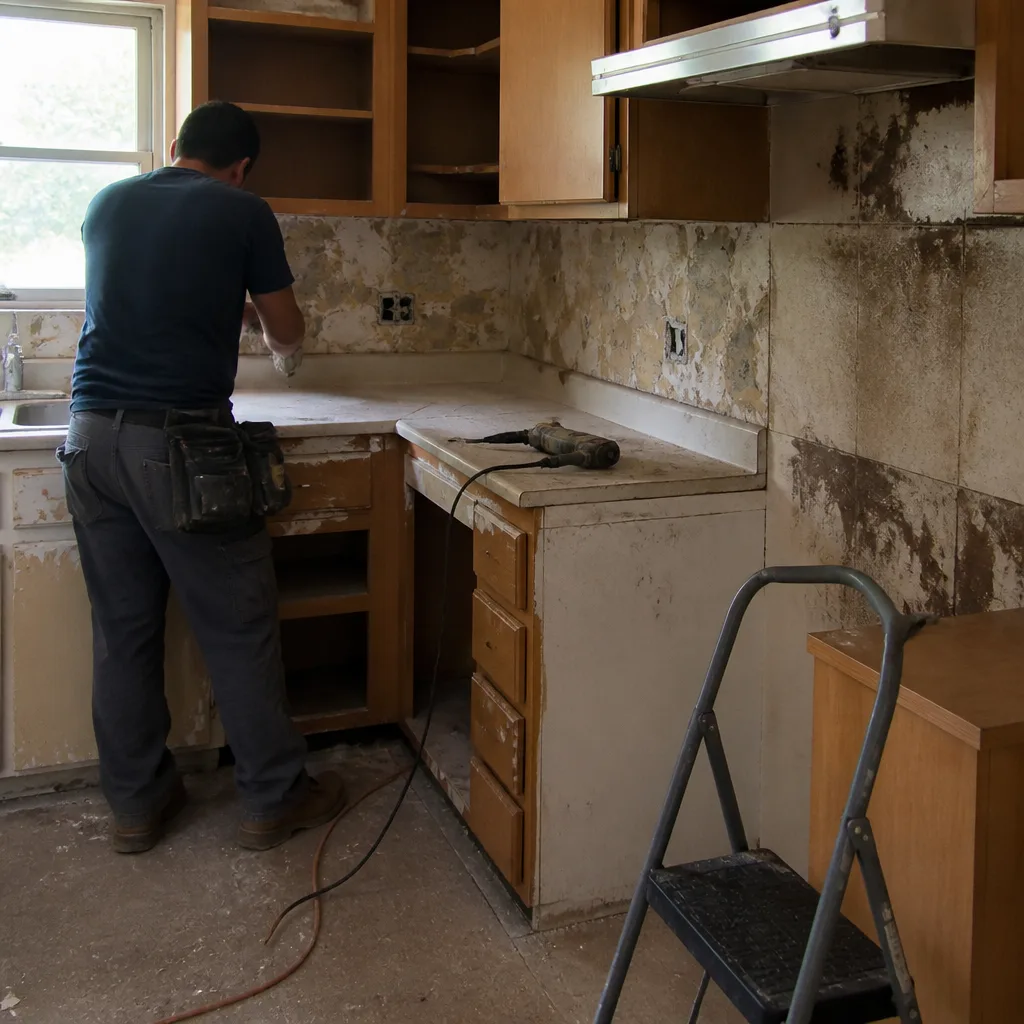 Before
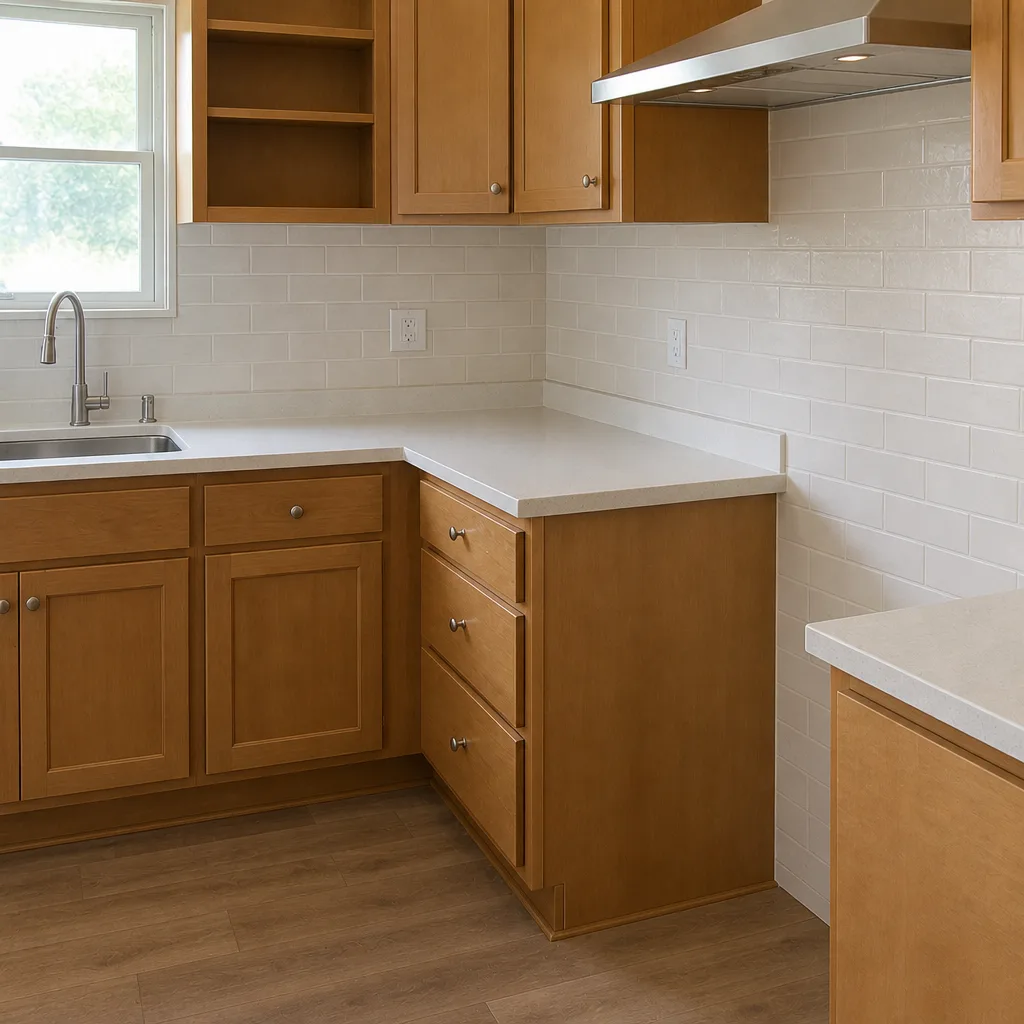 After
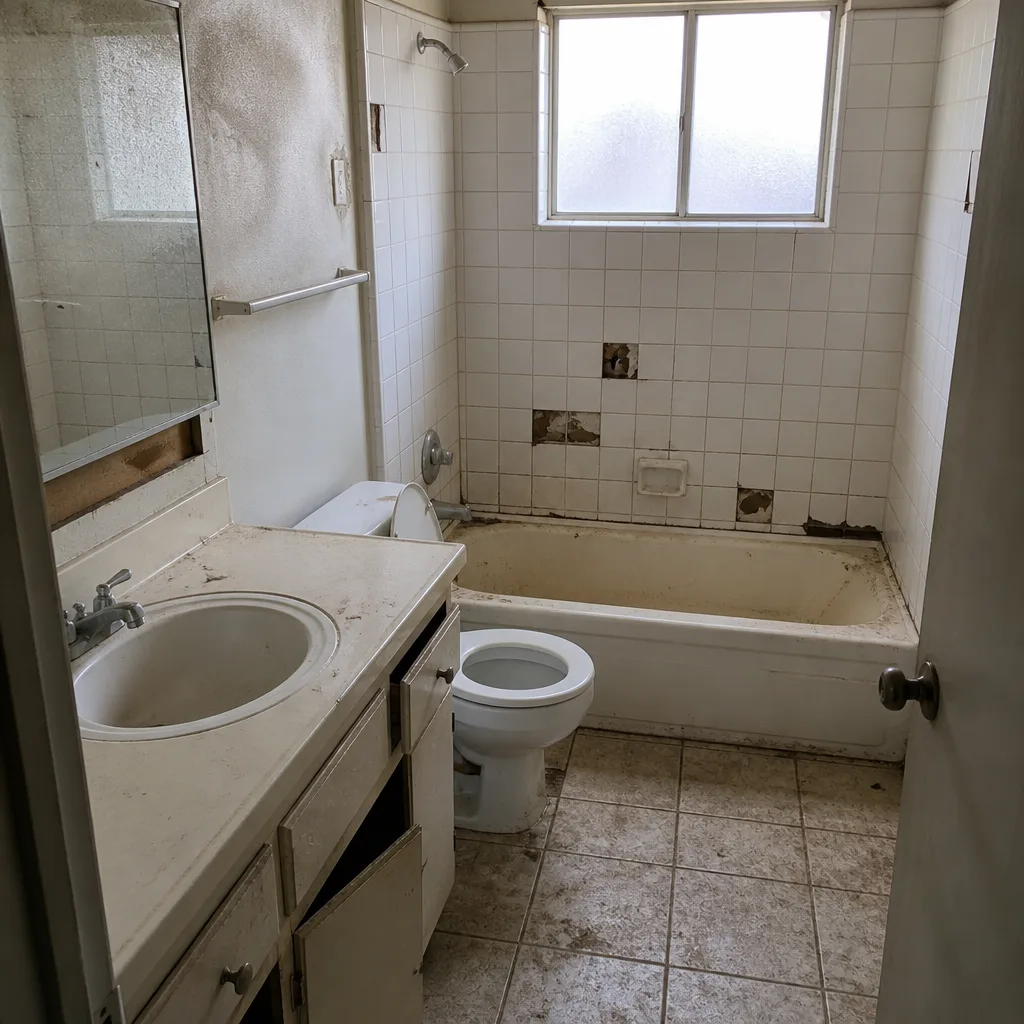 Before
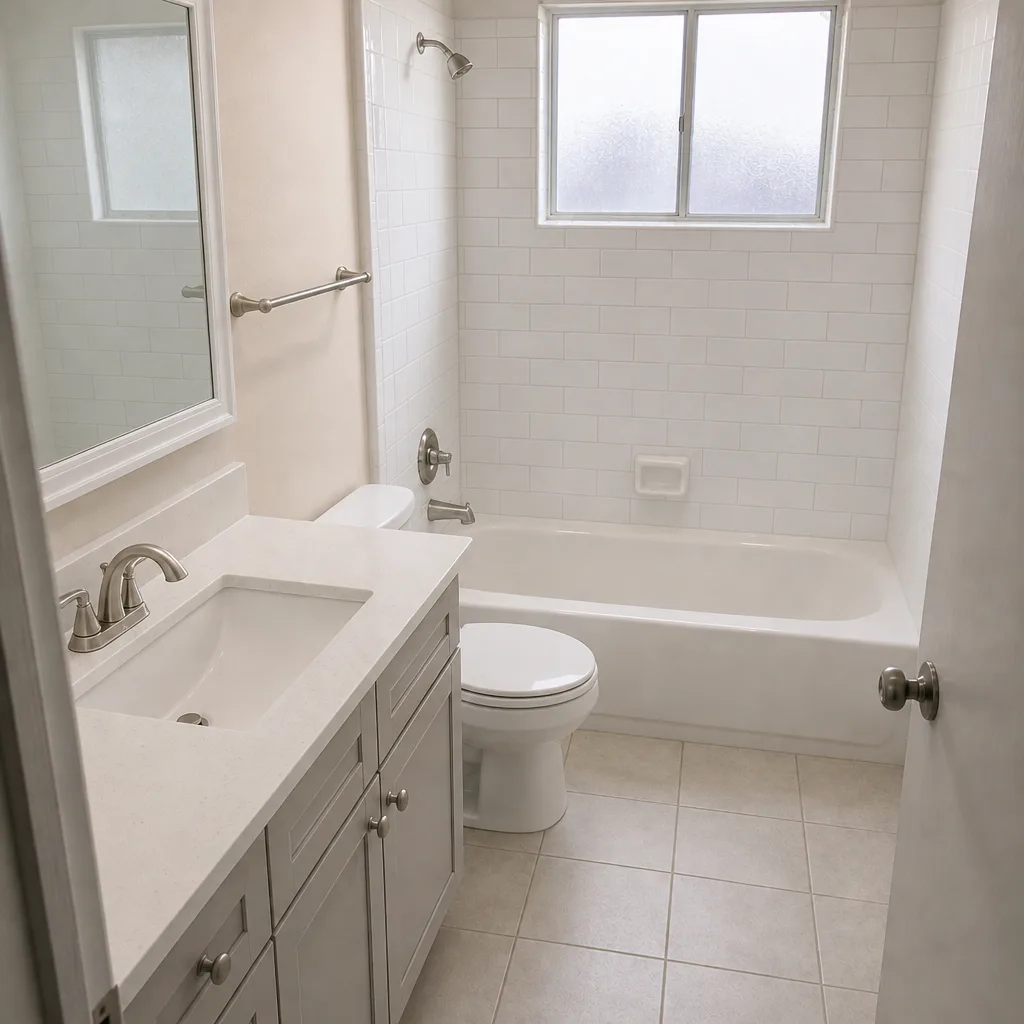 After
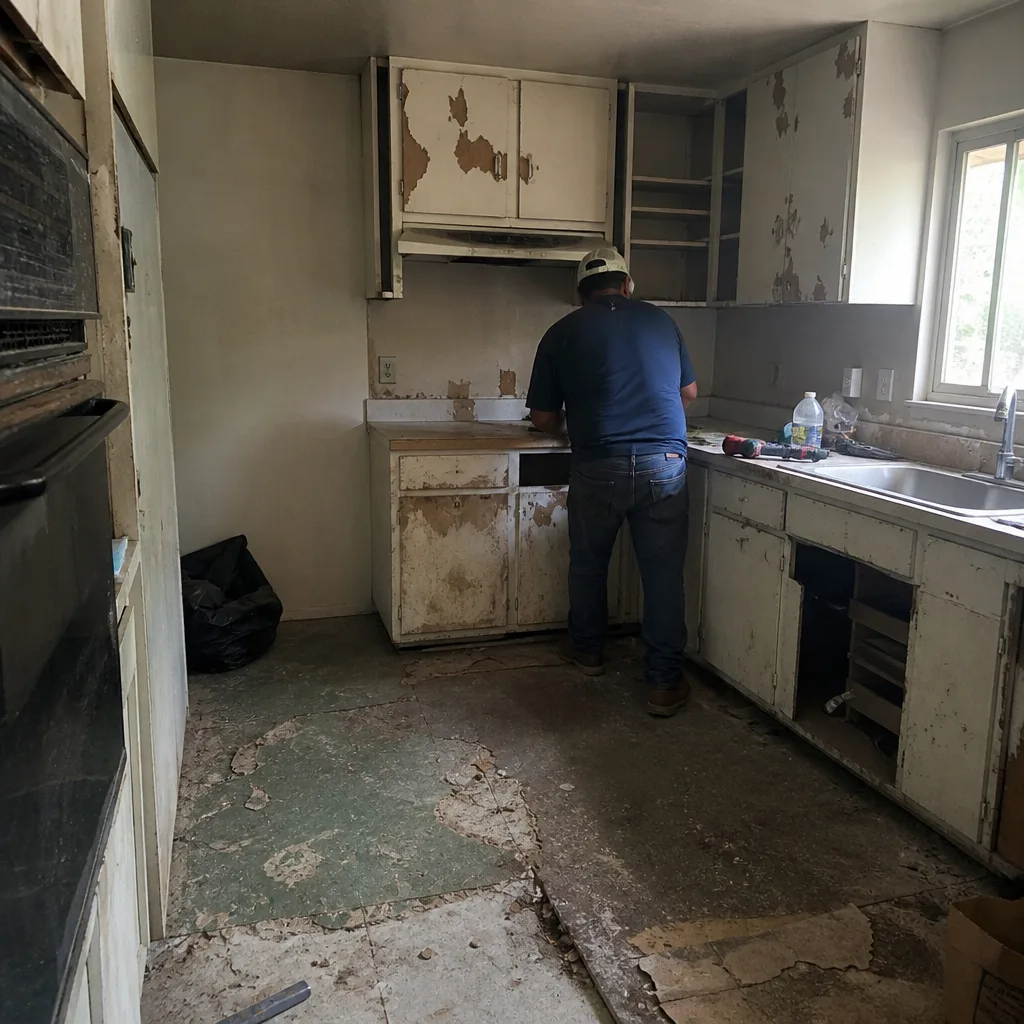 Before
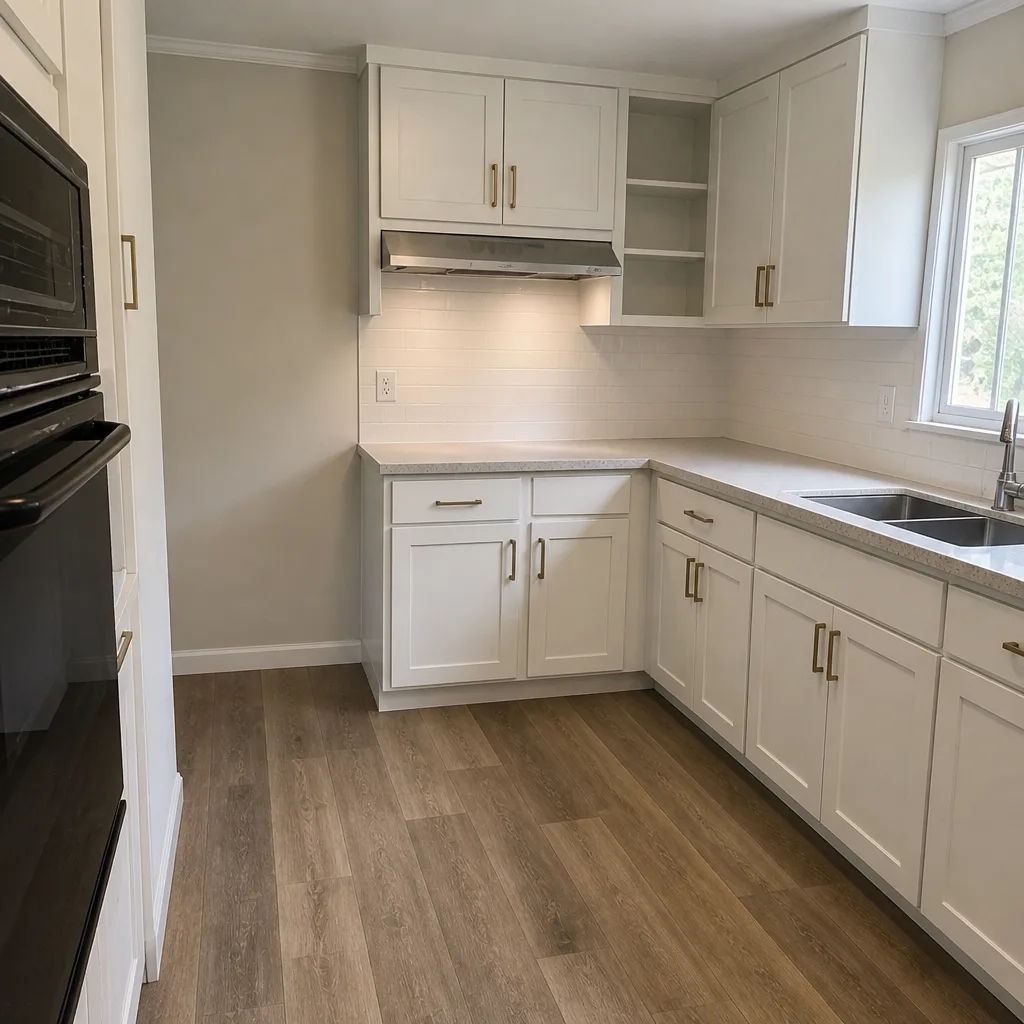 After
When to Call a Professional
Call a professional when the work requires a permit, touches structural, electrical, plumbing, or roofing systems, or sits inside a home old enough to hide hazards. Call when a mistake would fail invisibly and surface later. Call when you’re planning a funded project rather than a weekend one, and you want one contract covering every phase so you’re not coordinating four specialists. Call when a manufacturer warranty depends on authorized installation, because the savings from DIY don’t cover the coverage you lose.
Our technicians have up to 11 years of experience, and we work from written line-item estimates with no change orders, pulling permits and passing inspections on every job that needs them. Construction Costa Mesa offers free estimates in Costa Mesa. Call (855) 506-4558. We answer 24/7. Fast dispatch from 7am to 7pm, Sunday through Friday.
Frequently Asked Questions
Yes, for cosmetic, reversible, permit-free work like interior painting, landscaping, tile removal, and cabinet hardware. These have low downside and real savings. For anything requiring a permit or touching a structural, electrical, plumbing, or roofing system, the true cost of DIY usually exceeds the professional bid. Call (855) 506-4558 for a free estimate on anything in the professional-only column.
Most building departments require permits for structural work, electrical and plumbing changes, additions, and many remodeling scopes. The exact threshold depends on the project, so confirm the specifics with the Costa Mesa building department before you start. When in doubt, ask. It’s the cheapest step in the project.
In California, unpermitted work is a known material fact you must disclose at sale. Buyers’ inspectors flag it, lenders question it, and the deal renegotiates or stalls. The fix, retroactive permits and inspections or demolition, lands on your side. Skipping the permit is a bet that never pays off.
It depends on the scope, materials, and condition of the home, and we don’t publish blanket numbers because the honest answer varies. What we do is provide written line-item estimates for free, with fixed pricing and no change orders, pulling permits and passing inspections. Call (855) 506-4558 for an exact quote on your Costa Mesa project.
Yes, and it’s a common hybrid. Prep and demolition that ends before the contractor starts doesn’t touch the installed work, so there’s no warranty conflict. The key is writing the split into the contract so both sides agree on scope and sequence. We structure these splits regularly.
DIY prep and demolition done before installation starts won’t void anything. Modifying installed work afterward can void both workmanship and manufacturer warranties, especially if the manufacturer requires authorized installation. Keep the DIY work in front of the contractor’s scope, not on top of it.
The Bottom Line
The DIY-or-hire decision comes down to three things: permit exposure, liability transfer, and what your home reveals once the wall is open. Cosmetic, reversible, permit-free work is genuinely DIY-viable and worth the savings. Anything structural, electrical, plumbing, roofing, or older-home-hazard-adjacent carries professional-only risk that DIY math rarely accounts for. The hybrid model, where you handle prep and demo and a pro handles the technical and permitted work, gets you the best of both if you write the split into the contract. When you’re ready to price the professional side, one written estimate from a single-source contractor is the cleanest comparison you can make. Our work spans from the roof down to the driveway, specified, not substituted.
Call (855) 506-4558 for a free estimate. We answer 24/7. Fast dispatch from 7am to 7pm, Sunday through Friday. We’re closed Saturday.
Written by the team at Construction Costa Mesa.