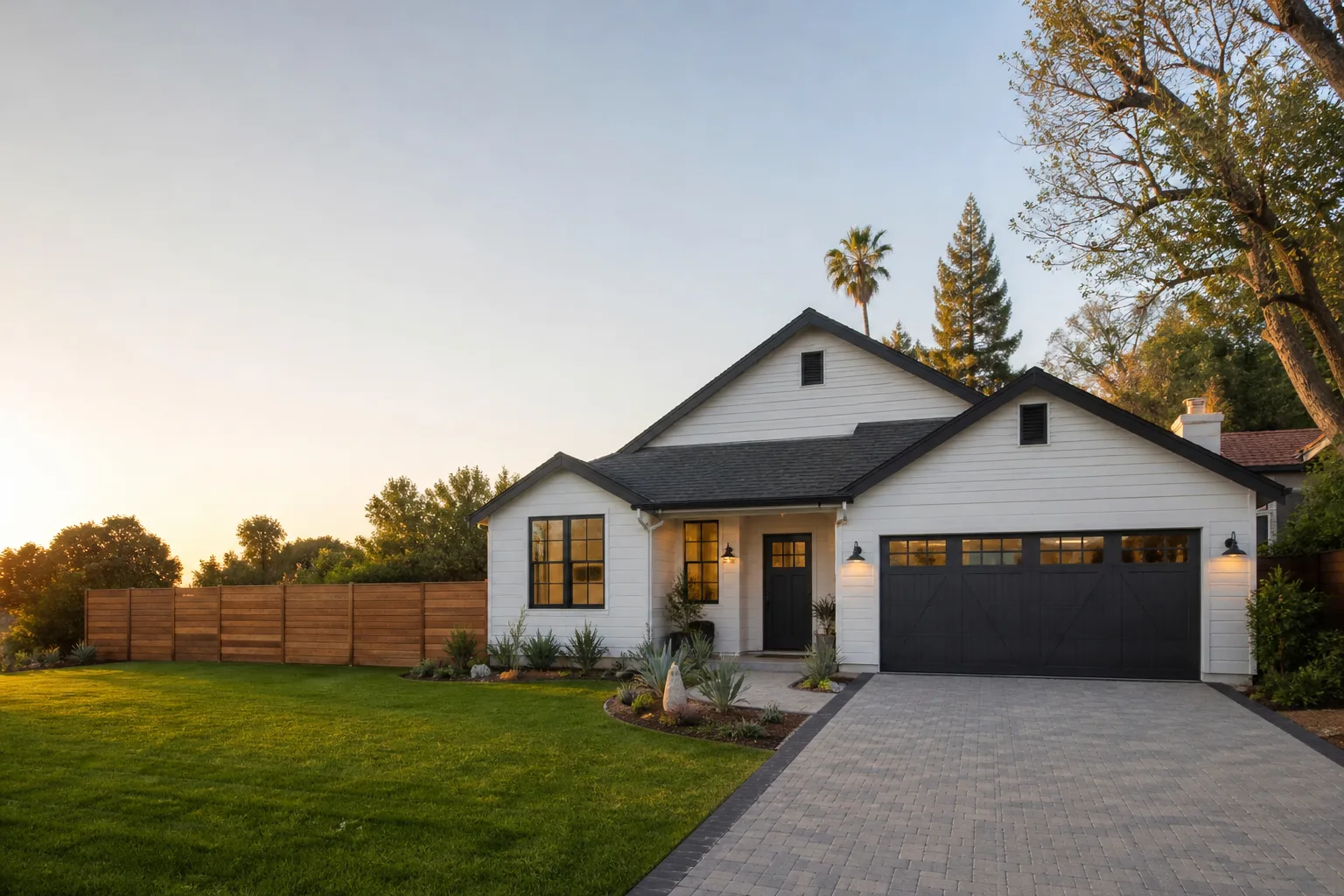
Last updated November 18, 2026

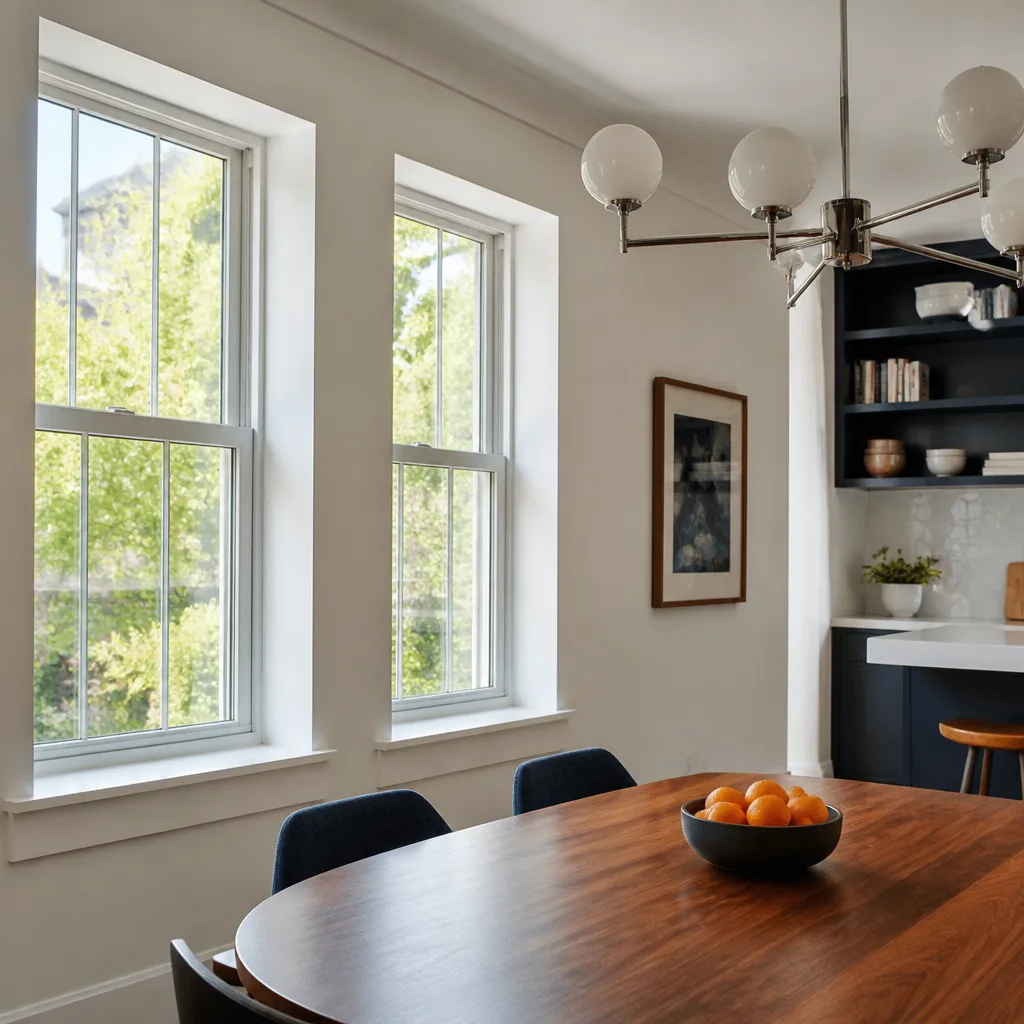
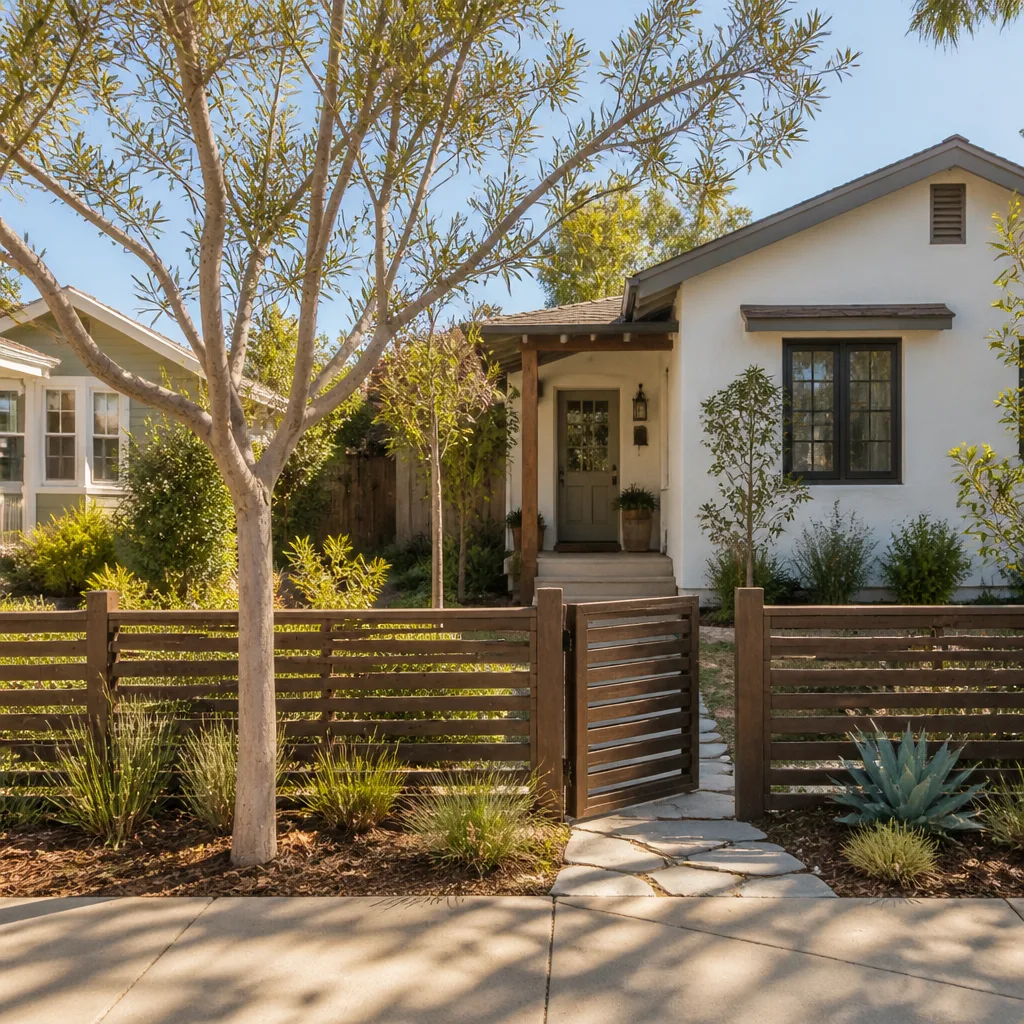

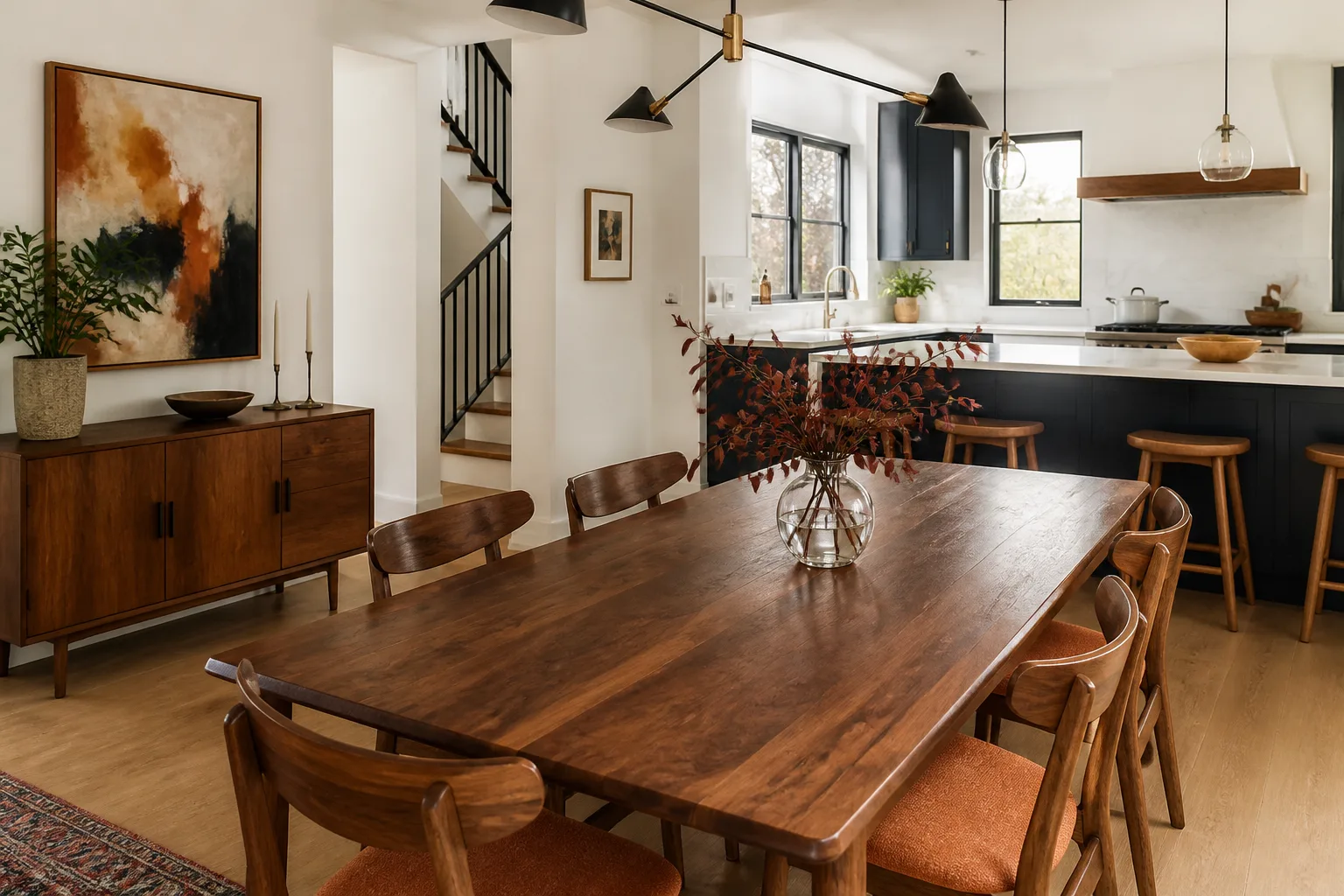

Free written scope consultation - allowances, timeline, and change-order rules on paper before a single trade is scheduled
How to Hire a Construction Contractor in Costa Mesa: A Step-by-Step Guide
The cheapest bid you get for a Costa Mesa renovation is often the one that runs into trouble at plan check. Not because the contractor is dishonest, but because a low number frequently assumes a scope the city won’t approve without redesigns, or quietly leaves out permit fees, temporary protection, and debris hauling to look smaller than it really is. By the time the gap surfaces, you’ve already signed. This guide is written to change that order of events. You’ll learn how to verify a contractor’s license and its actual class, ask interview questions that separate real local experience from rehearsed answers, read a bid line by line, and understand what a renovation contract should say about conditions nobody can see until the walls are open. Costa Mesa homeowners who follow these steps sign with better information.
Quick Answer

To hire a construction contractor in Costa Mesa, verify an active license in the correct class through the CSLB, confirm the scope matches that class, get a written line-item estimate that includes permits and cleanup, and never sign before the contract spells out how unknown conditions are handled. The right contractor can explain plan-check timing, material sourcing, and job sequencing in specifics, not generalities.
One contractor who controls every trade, from the roof down to the driveway, removes the coordination gaps that cause most residential disputes. If you’d rather talk it through than read it, call (855) 506-4558 for a free estimate. We answer 24/7, with fast dispatch from 7am to 7pm, Sunday through Friday.
Styles & brands we work with
- Kitchen remodeling
- Bathroom remodeling
- Home additions & ADU
- Roofing
- Windows & doors
- Driveway & pavers
- Fence
Table of Contents
- Step 1: Verify the License Class, Not Just the Status
- Step 2: Ask Questions That Reveal Local Experience
- Step 3: Compare Bids Apples to Apples
- Step 4: Read the Contract for Unknown Conditions
- Why One Contractor Beats a Chain of Specialists
- How to Judge Material Selections and Brand Access
- What Costa Mesa’s Aging Housing Stock Changes
- Permits, Plan Check, and Inspection Holds
Step 1: Verify the License Class, Not Just the Status
Every contractor in California holds a license in a specific classification, and that classification tells you what they’re legally allowed to contract for. Checking that a license is “active” is the easy part. The step most homeowners skip is confirming the class actually covers the work you’re hiring for.
The classifications you’ll run into most on residential projects:
- B – General Building Contractor. The broad class. A B license allows a contractor to take a prime contract on a project involving two or more unrelated trades, or to subcontract the trades they don’t self-perform. This is the class you want for a whole-house renovation, an addition, or an ADU.
- C-39 – Roofing. Roofing-only work. A C-39 can install your roof but can’t take the prime contract on a full remodel.
- C-36 – Plumbing. Plumbing systems. Useful to confirm when plumbing is inside a larger scope, but a plumbing contractor alone isn’t your renovation lead.
- C-10 – Electrical. Electrical systems, from panel work to branch circuits.
- C-33 – Painting. Interior and exterior painting.
Pull the license number up in the CSLB records and look past the status field. Confirm the class, the expiration date, and that the business name on the license matches the name on your contract to the letter. A license held by a slightly different entity is a red flag worth asking about before you sign anything.
When one contractor controls all trades under a B license, the scope question disappears entirely: nobody has to guess whether the tile setter and the framer are working from the same approved drawings. That single point of accountability is the reason so many homeowners choose to work with a single-source contractor rather than assembling a team.
Step 2: Ask Questions That Reveal Local Experience
A contractor can talk fluently about construction and still have no working knowledge of how a Costa Mesa project actually moves through the city. The fastest way to tell the difference is to ask questions with checkable specifics and listen for whether the answers are concrete or vague.
Try these in your interview:
- “How do you handle plan-check turnaround in Costa Mesa?” A contractor with local experience will tell you how they submit, what they expect back, and how they build review time into the schedule. A vague answer about “working closely with the city” tells you nothing.
- “Who pulls the permit, and whose name goes on it?” The answer should be the licensed contractor, and the permit should be pulled under the contract you signed. A homeowner who pulls their own permit is taking on liability they probably don’t want.
- “Have you worked on homes from this era?” Costa Mesa has a wide range of housing ages, and much of it predates current electrical and plumbing conventions. A contractor who’s seen that firsthand knows what tends to be hiding behind plaster.
- “How do you sequence the trades?” Ask them to walk you through the order of operations for your specific project. Specific sequencing is a sign they’ve run this type of job many times.
- “Who’s my point of contact, and how often do I hear from them?” You want a clear answer, not a referral chain.
- “What does your written estimate include?” If the answer doesn’t mention permits, protection, and haul-off, you have your next question.
In our experience, the contrast is obvious within ten minutes. Contractors with local depth answer in specifics because they’ve solved these problems on real jobs. That’s the difference between someone who’s read about the process and someone who’s worked through it, and it’s what our technicians bring to every estimate.
Step 3: Compare Bids Apples to Apples
Three bids for the same renovation will rarely list the same things. The low number is often low because it stopped counting at the visible work. Before you compare totals, put the bids side by side against a checklist of line items that commonly disappear from a lean proposal.
These are the items to confirm in writing:
- Permit fees. Either the bid includes them or it doesn’t. If they’re excluded, you’re paying them separately and the total isn’t the total.
- Temporary protection. Floor coverings, dust barriers, plastic at doorways. Cheap to skip, expensive to clean up after.
- Debris haul-off and dumpster costs. Demolition waste doesn’t leave by itself. Confirm who’s paying for the container and the disposal fees.
- Inspection holds. Time spent waiting on an inspection is still time on the schedule. Ask whether it’s built in or billed as an extra.
- Material specifications. Not “quartz countertops” but a named product line. Costa Mesa homeowners benefit from seeing the actual product: Cambria, Silestone, or Caesarstone in the countertop section, for instance, or a named cabinet program rather than “semi-custom.”
- Finish and detail allowances. Every allowance is a future decision point, and a low allowance is a low bid. Ask for realistic numbers up front.
A bid built this way lets you compare the same scope across contractors. If one proposal can’t be laid out in the same categories, that’s information too. When we put estimates together, the written line-item quote is the tool: it’s how you confirm the final price before work starts, fixed, with no change orders for work that was already in scope.
Step 4: Read the Contract for Unknown Conditions
Renovation work in older homes has a predictable feature: sometimes you don’t know what’s behind a wall until it’s open. A good contract talks about that plainly. A bad contract doesn’t mention it at all, which leaves the contractor room to treat every surprise as a billable change order.
Look for these clauses before you sign:
- A clearly defined scope. The drawings, the specifications, and what’s included should all be attached and referenced, not summarized in a sentence.
- An unknown-conditions clause. It should describe how hidden damage or unexpected framing gets priced and approved. Not a blank check, but a stated method.
- A change-order procedure. Written approval, price stated in advance, and your sign-off before work proceeds.
- A payment schedule tied to milestones. Payments that track completed phases rather than a large sum up front.
- A workmanship warranty. In writing, and specific about what it covers.
- A dispute process. What happens if the two of you disagree.
If a contract is missing the unknown-conditions language entirely, ask for it to be added before you sign. A contractor who won’t put the process in writing is telling you something about how they intend to handle surprises. The written estimate sets the final price, and a well-drafted contract is what makes that promise real.
Why One Contractor Beats a Chain of Specialists
The most common dispute in residential construction isn’t over money. It’s the question of whose scope a problem is. A roofer finishes, the stucco around the new flashing cracks, and the two trades point at each other. A window installer sets new units, the interior trim doesn’t match, and the homeowner ends up in the middle trying to referee.
This is where a single-source contractor earns their value. When one contract covers exterior work (roofing, windows and doors, driveway & pavers, fencing) and interior work (kitchen, baths, additions), there’s no gray zone between trades. One party is responsible for the whole project from the roof down to the driveway. If something’s wrong, there’s only one number to call.
The alternative, hiring each specialist separately, creates a coordination headache at every hand-off:
- More scheduling mismatches, because each trade has its own calendar.
- More transition points where quality can slip, since no one is inspecting the seams between trades.
- More finger-pointing if a defect spans two scopes.
- More of your time spent managing instead of living in your home.
For a single-phase job, hiring a specialist makes sense. For anything that touches more than one trade, a single-source contractor working from one set of drawings, one schedule, and one warranty is the cleaner arrangement. That’s the model we work to on every project in Costa Mesa, and it’s what our team brings to the estimate.
How to Judge Material Selections and Brand Access
Material choice is where a lot of bids look the same on paper and end up dramatically different in the finished home. A contractor with real manufacturer relationships can source the product lines you actually want, apply the manufacturer’s own installation specifications, and match warranty coverage accordingly. A contractor without them substitutes builder-grade defaults and tells you it’s “the same thing.”
Here’s what to look for when you’re assessing a contractor’s material depth:
- Named product lines, not categories. “Quartz countertops” is not a specification. A named Cambria or Caesarstone line is.
- Multiple manufacturers per category. One roofing line means no real choice. Access to several systems (we work with six major roofing manufacturers) means the assembly can be matched to the warranty you actually want.
- Installation to manufacturer spec. A brand-name product installed outside its spec voids the warranty. Ask who’s authorized to install and warranted by the manufacturer.
- Cabinet programs. Semi-custom and full-custom options in the same project scope, without sourcing a separate supplier, keep the kitchen and bath on one schedule.
- Substrate and waterproofing choices. The products behind the tile matter as much as the tile. We specify Schluter waterproofing systems because the hidden layers determine how long the visible layer lasts.
We’re authorized to install and warranty products from more than 50 brand-name manufacturers across roofing, cabinetry, countertops, fixtures, windows, doors, fencing, hardscape, and ADU systems. That’s not a marketing line, it’s a practical advantage on your job. It means material choices are specified, not substituted, and built to the brand’s standard, not just the minimum code.
What Costa Mesa’s Aging Housing Stock Changes
Costa Mesa’s residential neighborhoods were built across many decades, and a single block can contain homes from four different eras. That matters for renovation because the construction conventions of each era carry their own surprises, and a contractor who’s worked extensively in the city will recognize them before the wall opens.
What this means for your project:
- Electrical and plumbing often don’t match current standards. Older wiring and drain configurations are common, and they matter the moment you change a kitchen layout or add a bathroom.
- Framing and structural conventions vary by era. How the house was built determines how an addition ties in, and there’s no substitute for looking at the actual assembly.
- Surface materials hide surprises. Layers of flooring, older plaster, and non-standard openings are all part of the discovery process. A good contract handles them; a bad one bills them.
- Material matching takes thought. Matching a new window to a wall built decades ago, or a new roof to a stucco detail, requires a contractor who’s done it on comparable homes.
The practical takeaway: ask specifically about the era of your home, and listen for whether the contractor’s answers are about your house or about construction in general. And when your project is a full exterior, remember it’s not only the roof and the walls. A fence installation coordinated with the rest of the exterior work keeps the whole job on one schedule and one warranty.
Permits, Plan Check, and Inspection Holds
Permits are where the cheapest bid most often fails. A contractor who prices a job without accounting for what the city will actually approve, and how long approval takes, ends up passing the difference to you in either a change order or a delay. The way to protect yourself is to confirm the permit path before you sign.
A straightforward permit conversation should cover four things:
- Who’s pulling the permit. It should be the licensed contractor, under the contract you signed.
- What the plan check looks like. A contractor with local experience can explain how the submittal works and what they expect for your specific scope.
- How inspection holds are scheduled. Time spent waiting on inspections should be built into the timeline, not billed as a surprise.
- What happens if the plan reviewer requires changes. Redesigns happen; the question is who bears the cost when they do. Get the answer in writing before work starts.
Some projects are more permit-heavy than others. A bathroom remodel may not require much. A home addition or ADU will. If you’re exploring the second path, our home additions & ADU work covers both site-built and prefab options, and the permit path differs between them. Prefab and modular systems from Abodu, Dvele, Mighty Buildings, Boxabl, and Plant Prefab are a real option now, and local zoning determines which ones are viable on your lot. Ask the question early; the answer changes the budget.
Common Mistakes to Avoid
- Choosing on total price alone. The bid that’s lowest is usually the one with the most missing line items. Compare scope, not totals.
- Not verifying the license class. An active license that doesn’t cover your scope is a problem waiting to surface at plan check. Confirm the class, not just the status.
- Skipping the unknown-conditions conversation. In older homes, hidden damage is the rule, not the exception. A contract that doesn’t mention it invites every surprise to become an argument.
- Letting the homeowner pull the permit. Homeowner-pulled permits shift liability to you and can complicate the contractor’s obligation to correct work. Have the contractor pull it.
- Accepting “quartz” as a specification. A category isn’t a product. Ask for named lines (Cambria, Silestone, or Caesarstone, for example) and confirm the estimate names them.
- Assuming one specialist will coordinate the others. Unless someone holds a B license and the prime contract, nobody is on the hook for the hand-offs. The chain of scope disputes has a predictable ending.
- Letting the payment schedule run ahead of the milestones. A large up-front payment removes the incentive to finish well. Payments should track completed phases.
See the difference
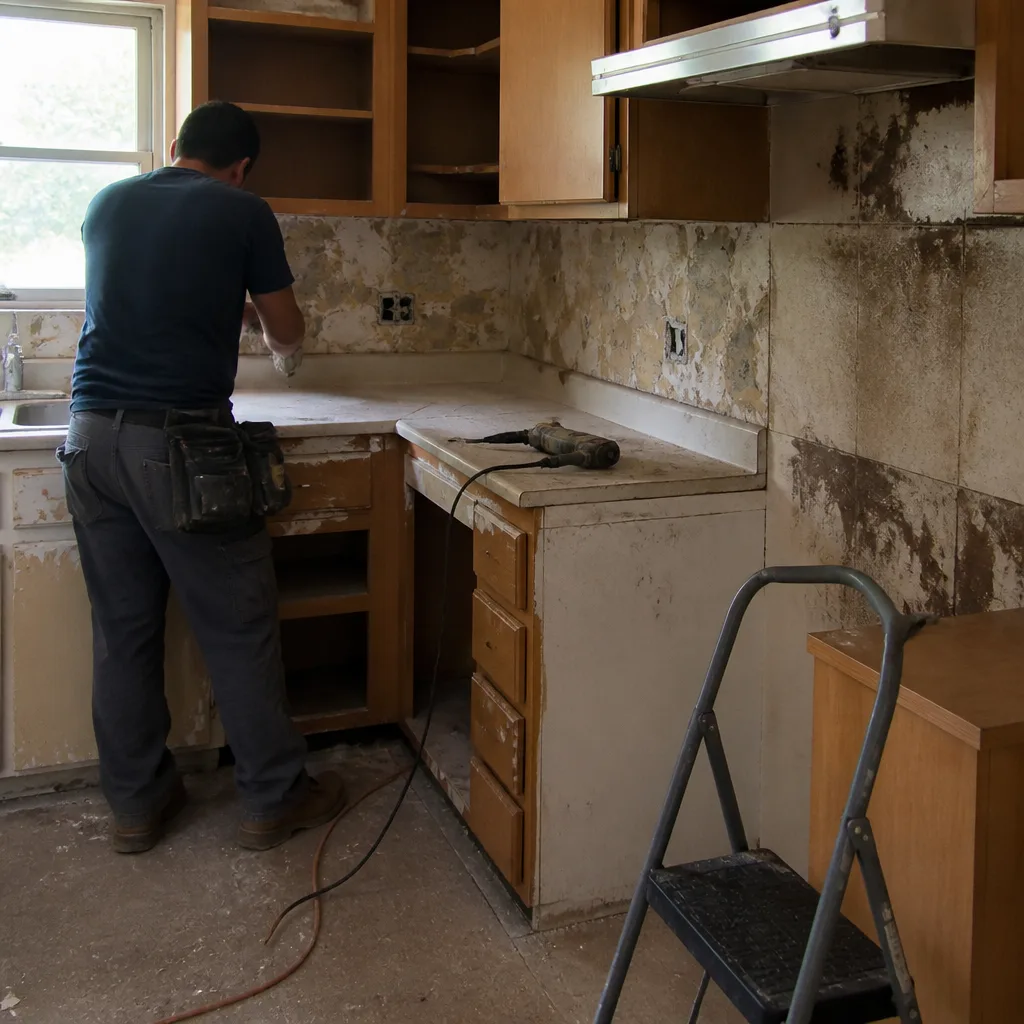 Before
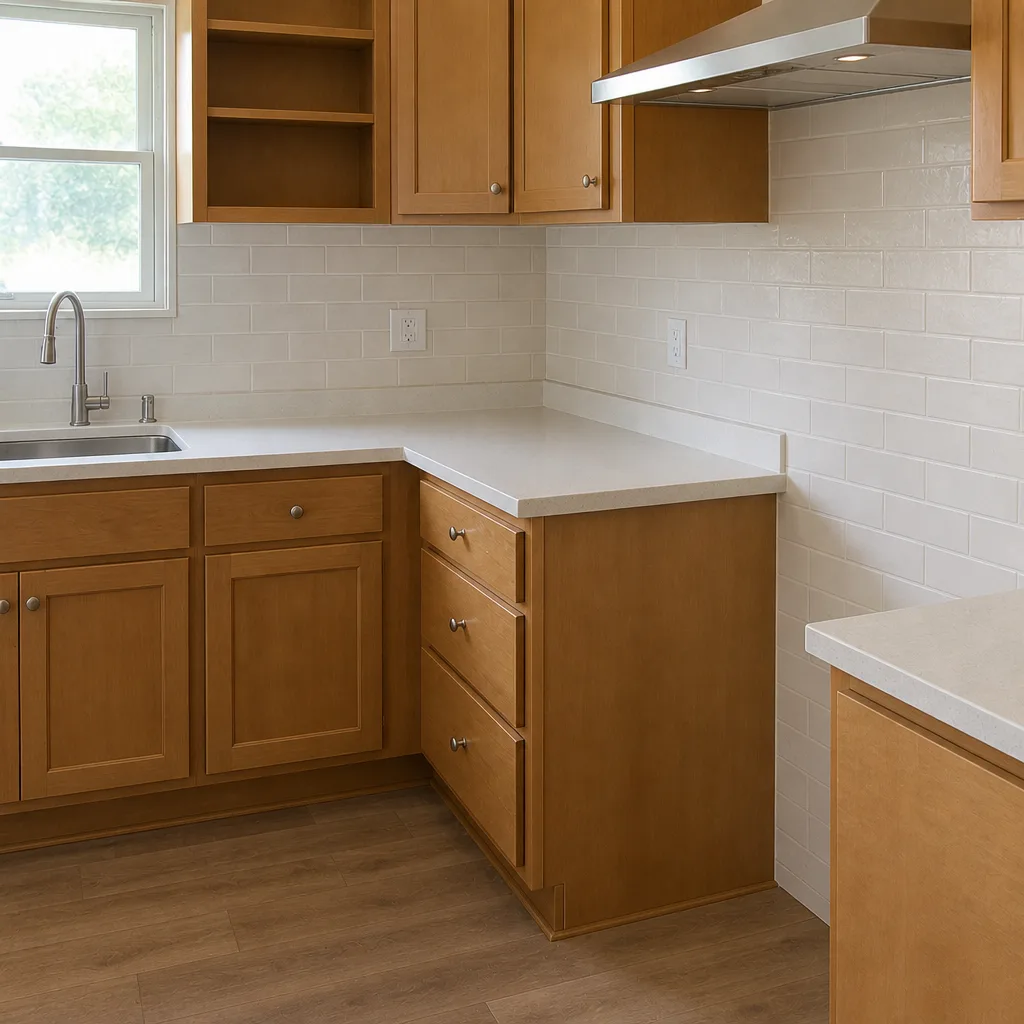 After
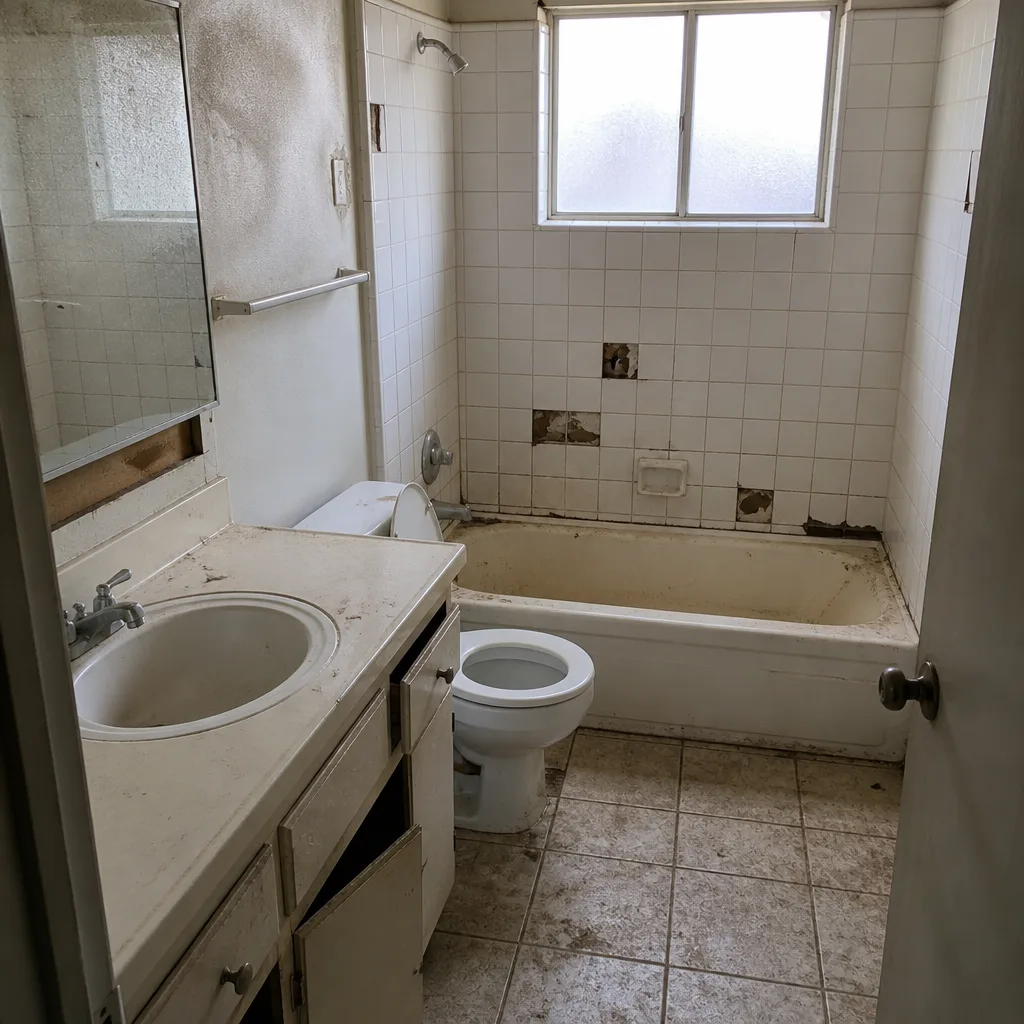 Before
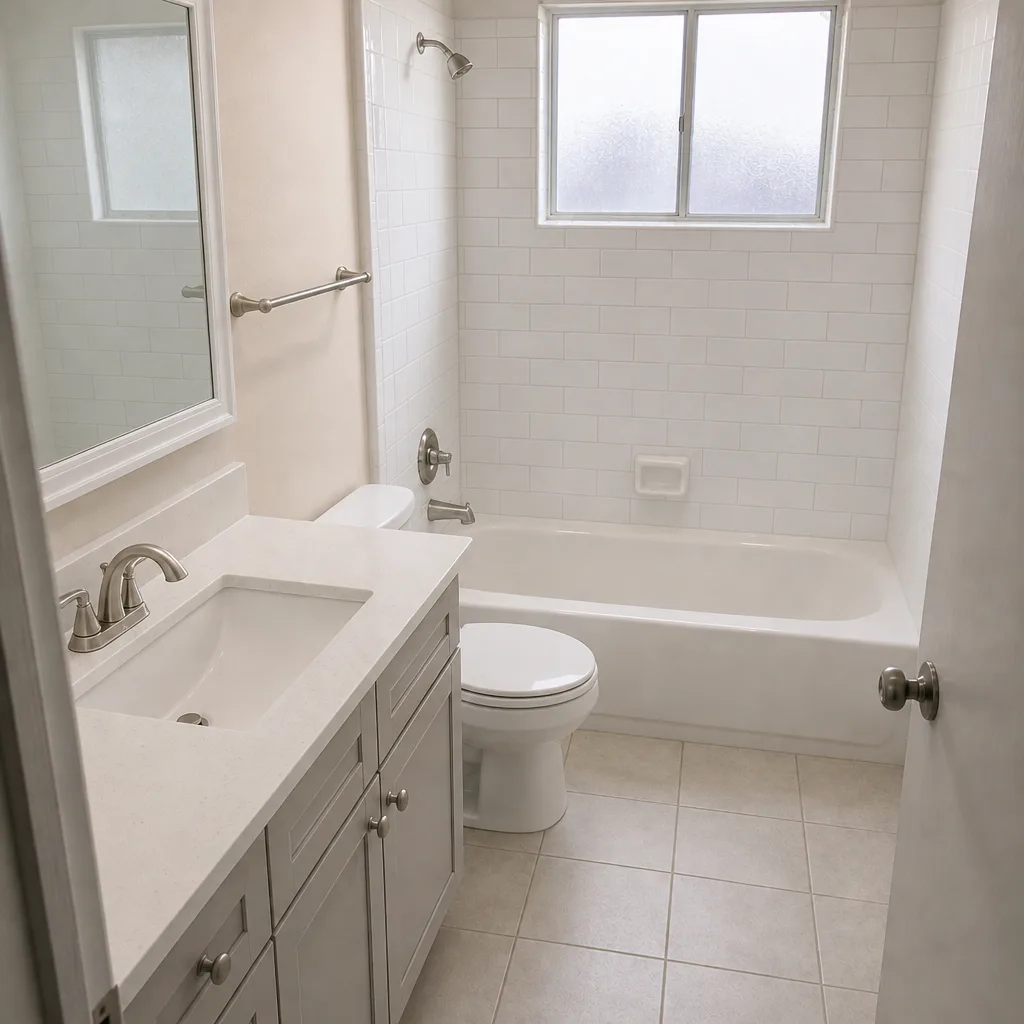 After
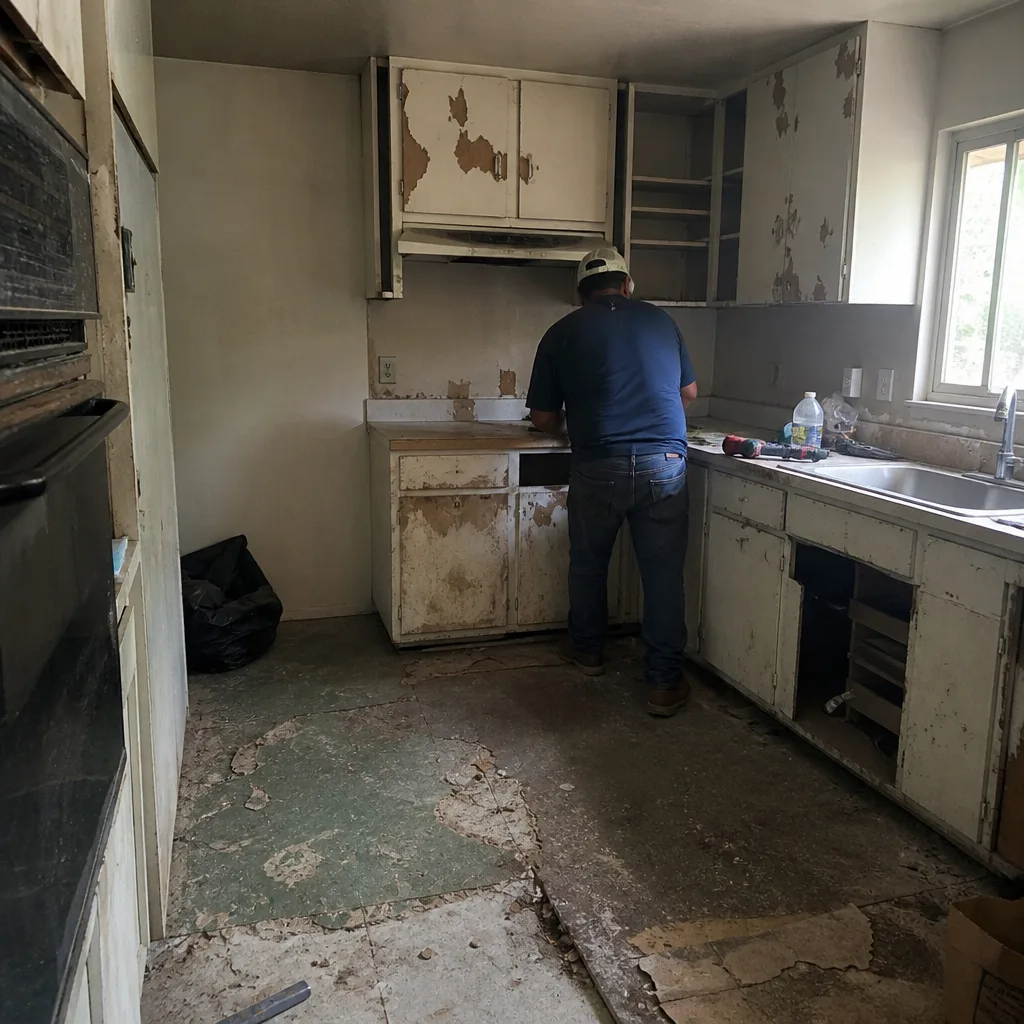 Before
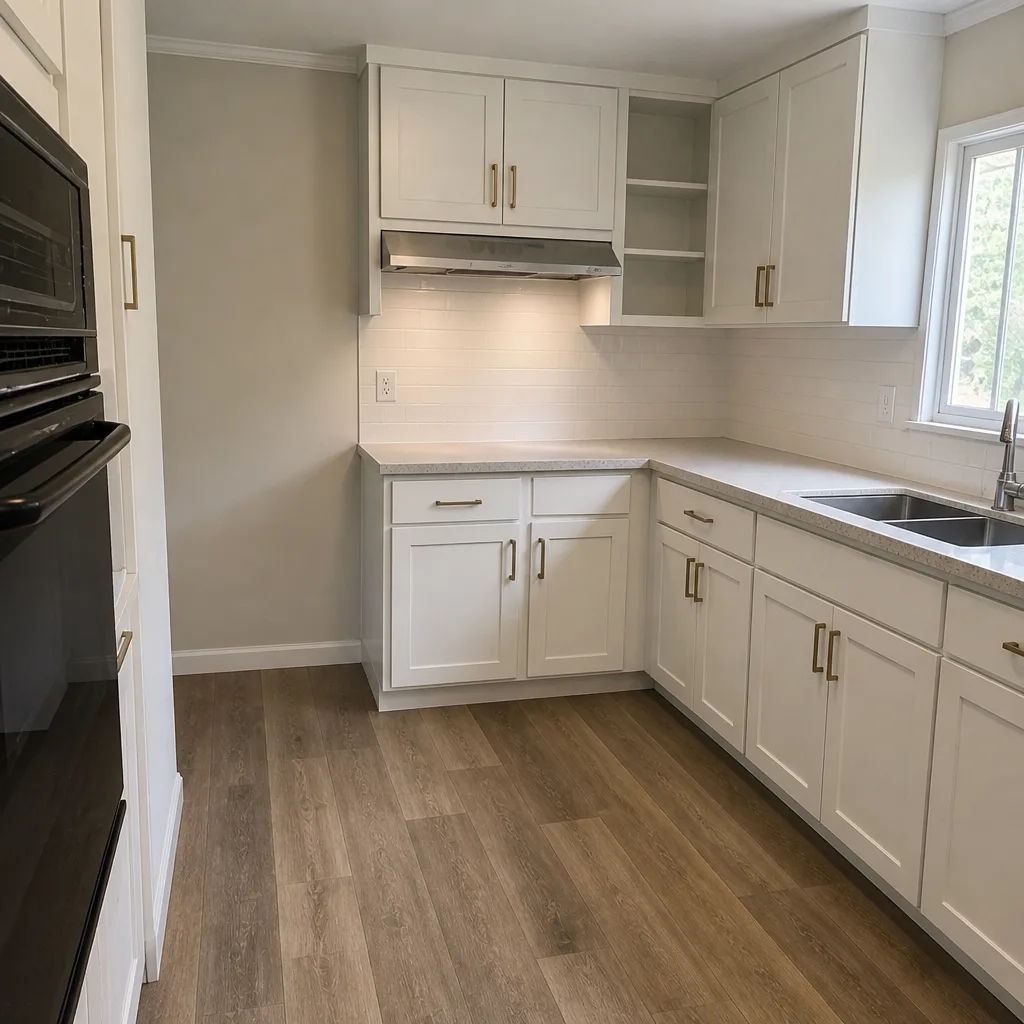 After
When to Call a Professional
Some projects are straightforward enough that a single licensed specialist can handle them. Roofing replacements, window swaps, a new fence along the property line. Those are well-defined scopes. Other projects need a contractor who can see the whole job: a kitchen that touches plumbing, electrical, and cabinetry; a bathroom that requires new waterproofing beneath the new tile; an addition that brings plan check, inspection sequencing, and multiple trades into the same timeline.
If your project involves more than one trade, or if you’re unsure whether it will once the walls are open, that’s the moment to talk to a professional. Construction Costa Mesa offers free estimates in Costa Mesa. Call (855) 506-4558. We answer 24/7, with fast dispatch from 7am to 7pm, Sunday through Friday. A written line-item quote tells you what the job actually costs before you commit to anything.
Frequently Asked Questions
Look the license number up in the CSLB records, then check the license class in addition to the status. For a whole renovation or addition, you want a B – General Building license, which allows the contractor to take a prime contract on a project involving multiple trades. Confirm the expiration date, and make sure the business name on the license matches the name on your contract exactly. If anything doesn’t line up, ask before you sign. Call (855) 506-4558 for a free estimate; our team can walk through how we’re licensed for the work we do.
The cost depends on scope, material selections, and whether the project requires permits and plan check. Smaller projects cost less than full additions or ADUs, and material choices move the total significantly. The reliable way to price any of it is the written line-item estimate. Every project gets a free estimate and a written quote that fixes the price for the work described, with no change orders for work already in scope. Call (855) 506-4558 to schedule yours.
For anything that touches more than one trade, one contractor working under a single B license is usually cleaner. It removes the “that’s not my scope” disputes that are the most common friction point on residential jobs, keeps the whole project on one schedule, and gives you one warranty to hold. For a single-trade job, a specialist is fine. For everything else, one contract, full scope, is simpler to manage. Call (855) 506-4558 to talk through your project.
Yes. Permits are pulled by the licensed contractor under the contract you sign, and we handle the plan-check submittal. Some scopes need more review than others; additions and ADUs go through more steps than a kitchen or bath. What we won’t do is price a job as if the permit process doesn’t exist. That’s the assumption behind most low bids that run into trouble later. Call (855) 506-4558 for a free estimate on a project that includes the permit path.
Not for anything already in scope. Our estimates are fixed pricing for the work described, in writing, itemized so you can see what each phase covers. If hidden conditions turn up (older framing, out-of-date wiring, surprise materials behind a wall), the contract’s unknown-conditions clause describes how those get priced and approved before any work proceeds. The written estimate sets the final price. Call (855) 506-4558 to get one.
A clear scope with drawings attached, an unknown-conditions clause that states how surprises are priced, a written change-order procedure with your sign-off, a payment schedule tied to milestones, a workmanship warranty, and a dispute process. Those clauses matter more in older homes than in new construction, because hidden damage is more likely. A contract that says nothing about unknown conditions leaves room for every discovery to become a costly change order. Call (855) 506-4558 to review what a well-drafted contract looks like. You can also start with our Construction Costa Mesa overview to see the full range of what we work on.
The Bottom Line
Hiring a contractor in Costa Mesa comes down to four moves: verify the license class, not just the status; ask interview questions that force specific local answers; compare bids line by line against what’s actually included; and read the contract for how unknown conditions get handled. If your project crosses trades, weigh a single-source contractor heavily. One contract, one schedule, one warranty eliminates the hand-off disputes that cause most residential friction. The cheapest bid is often the most expensive outcome, and a free estimate with a written line-item quote is how you find out before you sign.
Ready to price your project? Call Construction Costa Mesa at (855) 506-4558 for a free estimate. We answer 24/7, with fast dispatch from 7am to 7pm, Sunday through Friday.
Written by the team at Construction Costa Mesa.