Last updated November 18, 2026





Free written scope consultation - allowances, timeline, and change-order rules on paper before a single trade is scheduled
Seasonal Construction Care for Costa Mesa: Year-Round Homeowner’s Guide
Most Costa Mesa homeowners treat home damage as bad luck. A ceiling stain after a storm, a fence post that leans by spring, stucco that cracks one summer. In our experience, very little of that is luck. Costa Mesa gets roughly 13 inches of rain a year, and nearly all of it falls between December and March. That means a single four-month window delivers essentially every drop of water your roof, windows, and hardscape will face all year, and the homes that come through it clean are the ones that got ready in October. This guide lays out a month-by-month calendar built around how Costa Mesa actually behaves weather-wise, so you can stop reacting and start scheduling. You’ll learn what to check each season, what to document, and how to time a contractor’s bid before the rush.
Quick Answer
Seasonal construction care in Costa Mesa follows three distinct pressures: a December-to-March rain window that does nearly all the year’s water damage, summer heat and Santa Ana wind events that stress roofing, paint, fencing, and attic ventilation, and a mild but humid stretch that drives corrosion and stucco cracking. The proactive approach is to complete roof, window, and hardscape drainage checks in October and November, monitor and photograph during rain events, inspect for post-rain cracking and joint movement in April and May, and handle sealant and ventilation prep in June before the heat peaks. Booking fall work in summer also keeps you out of the November bidding surge.
Styles & brands we work with
- Kitchen remodeling
- Bathroom remodeling
- Home additions & ADU
- Roofing
- Windows & doors
- Driveway & pavers
- Fence
Table of Contents
- Why Costa Mesa’s Seasons Matter More Than They Look
- Fall Prep (October-November): The Pre-Rain Checklist
- Winter (December-March): Monitoring and Documenting
- Spring (April-May): Post-Rain Inspection
- Summer (June-September): Heat, Wind, and UV Prep
- How to Time Contractor Bids Strategically
- What Each Trade Needs Each Season
- Common Mistakes to Avoid
- When to Call a Professional
- Frequently Asked Questions
Why Costa Mesa’s Seasons Matter More Than They Look
Costa Mesa doesn’t hand you obvious seasonal cues. There’s no snow to signal that winter prep is overdue, no deep freeze to announce that pipes or roof edges are at risk. The weather is mild almost all year, and that mildness is exactly what lulls homeowners into skipping fall work. The problem is that mild doesn’t mean harmless. It means the damage happens quietly, and you find out months later when a stain appears on a ceiling or a baseboard starts to swell.
Three distinct seasonal forces act on a Costa Mesa home, and each hits a different part of the building:
- The rain window (December-March): Nearly all of the year’s roughly 13 inches arrives in these four months. Roofs, downspouts, hardscape grading, and window and door seals either handle that concentration of water or they don’t. There’s no gradual ramp-up.
- Summer heat and UV (June-September): Long sunny stretches bake sealants, paint, and deck finishes, and dry out soil around fence posts and foundations. This is also when Santa Ana wind events push dry, fast-moving air through the region, which stresses roofing edges and helps fire risk climb.
- Humidity and wet-soil contact: The milder months keep moisture in the ground longer than the heat does. Fence and gate hardware in constant soil contact corrode faster here than in dry inland towns, and stucco on shaded walls can hold on to moisture after a rain event.
The practical takeaway for anyone in Costa Mesa is that the calendar is compressed. You’re not spreading maintenance evenly across twelve months. You’re front-loading the rain-critical work into a short fall window and using the dry months to catch everything else. Get that rhythm right and most of the “bad luck” repairs disappear from your budget entirely.
We’ve seen this pattern play out on the exterior and interior of a lot of homes around town, and it’s why we think of seasonal care as a single system rather than a list of isolated tasks. A leaking roof flashing and a failing window seal are the same story told twice.
Fall Prep (October-November): The Pre-Rain Checklist
Fall is the single most important season for Costa Mesa homeowners, because it’s the last chance to fix anything before the rain arrives. Everything on this list should be done before the end of November, and most of it can be inspected in a single morning. Here’s the checklist, with realistic time estimates:
- Roof flashing and penetrations (30-45 minutes to inspect, longer if it’s steep or multi-level): Look at the metal flashing around chimneys, vents, skylights, and where roof planes meet. This is where water gets in first, not usually the field of shingles. If shingles are lifting or granules are worn down to the mat, the roof is near the end of its service life and needs a professional look. Our roofing options pull from GAF, CertainTeed, and Owens Corning systems, which lets us match the warranty rather than mix brands.
- Downspout extensions and gutter flow (20-30 minutes): This is the highest-value, lowest-cost task you’ll do all year. Water that dumps out at the foundation is the leading cause of the water intrusion homeowners later blame on “bad luck.” Extend downspouts well away from the house so runoff has somewhere to go.
- Hardscape drainage channels (20-40 minutes): Check that the grade around patios, walkways, and driveways still slopes away from the house. Soil settles over the year, and what drained fine last winter may pond this one. This is the moment to walk your driveway & pavers and look for low spots where water will collect.
- Window and door weatherstripping (15-20 minutes per unit): Run a hand around frames and feel for gaps, and look at the seals on sliding doors. A worn strip lets in both water and wind. If a door is warped or the seal is shot, replacing it now beats discovering the leak mid-storm. We install Therma-Tru and PGT door and window programs, which cover the range from straightforward replacements to custom configurations.
- Fence and gate hardware (10-15 minutes): Check posts for soil contact and hardware for rust, since the fall rains will accelerate any corrosion already underway. If posts are loose, this is the time to brace them, and it’s a good moment to reassess whether your fence installation is due for replacement in aluminum, steel, vinyl, or ornamental styles.
Total hands-on time for a homeowner who just wants to inspect and clean is usually 2-4 hours spread across a weekend. Anything that needs repair is a separate job. The point is to know what you’re facing before the first real storm, not after.
Winter (December-March): Monitoring and Documenting
Once the rain starts, your job changes. You’re no longer prepping; you’re watching. During a rain event, do a walk-through and check the spots that tend to reveal problems first: ceilings under roof valleys and chimneys, baseboards along exterior walls, the bottom corners of windows, and the floor near sliding doors. If you see a stain, drip, or swelling wood, note exactly where it is and what the weather was doing. That context helps a contractor locate the actual source rather than guess at the symptom.
Documentation matters more than most homeowners realize. If water intrusion happens, a clean record of photos and notes is what lets you scope the repair accurately and supports any conversation with your insurer. Photograph the leak location, the surrounding area, and the exterior point where the water is likely getting in, and jot the date and time. A few quick photos now save a lot of back-and-forth later.
A few winter-specific checks worth doing between storms:
- Clear debris from gutters and downspout outlets after windy stretches, since leaves and twigs are the reason flow backs up mid-season.
- Watch for ponding on hardscape – water sitting in one spot for hours is a grading issue, not a drainage accident.
- Look at door and window bottoms for pooling or damp carpet after a heavy rain, which points to a failed seal or weatherstrip.
- Note stucco areas that stay dark or damp on shaded walls; those are the panels most likely to show cracking come spring.
Do not try to climb onto a wet or pitched roof to investigate a leak yourself. Roof work at height is genuinely dangerous, especially in the rain, and it’s a job for a trained professional with the right fall protection. Your best move is to document from the ground and call someone before the leak spreads. That same care applies to electrical concerns triggered by water intrusion; treat anything wet near wiring as a professional matter.
Spring (April-May): Post-Rain Inspection
Spring is when you find out what winter did. The rain is mostly done, the ground is still holding moisture, and the cracks and movement that were invisible in October tend to reveal themselves in April. This is the inspection season, and it’s where you catch problems while they’re still cheap to fix.
Three areas deserve the most attention:
- Stucco micro-cracking (30-45 minutes): Walk the exterior walls and look for hairline cracks, particularly around windows, corners, and shaded north-facing walls that stayed wet longest. Very fine cracking is often cosmetic, but cracks that open and close or let water sit behind the surface are a moisture path. Note the location and width so a professional can judge whether it needs sealing or a closer look.
- Concrete joint movement (20-30 minutes): On driveways, walkways, and patios, check whether joints have shifted, whether slabs have risen or sunk, and whether water is now flowing toward the house instead of away. This is where the driveway & pavers conversation usually starts, because the answer can range from a small regrade to a full replacement.
- Fence and gate hardware corrosion (15-20 minutes): Wet soil contact through the winter accelerates rust and loosens posts. Check hinges, latches, and post bases. A gate that drags or a post that rocks is telling you the hardware or the anchor has given up some ground.
Spring is also a smart time to plan interior work. If your rain-season inspection turned up a kitchen or bath that needs updating, or you’re thinking about an home additions & ADU project, starting the design and bidding conversation now means you’re ready to build when the dry season is in full swing. Interior work and drainage work are rarely in conflict once the rain lets up.
Summer (June-September): Heat, Wind, and UV Prep
Summer flips the problem from water to heat and dry wind. Long sunny stretches bake the finishes on your home, and Santa Ana wind events push fast, dry air through the region, which is tough on roof edges, paint, and anything that dries and cracks under UV. The goal in summer is to protect finishes before the peak of the heat, not after.
Here’s where to focus:
- Deck and fence sealant (plan for a full day): Sealant applied before the heat peaks lasts longer than one applied in the thick of it, because it cures more evenly. Fences and decks in full sun are the ones that need it soonest. Material choice matters here; a wood, vinyl, or ornamental finish each has its own sealing and care rhythm.
- Attic ventilation (30-45 minutes to inspect): Poor ventilation traps heat and moisture, which strains roofing and can make the whole house work harder to stay cool. Check that vents aren’t blocked by insulation and that the attic can breathe. This is a low-cost check with real payoff in comfort and roof life.
- Exterior paint inspection (45-60 minutes): Walk the exterior and look for chalky, faded, or peeling paint before the UV peaks. Paint protects the substrate; once it fails, the sun and moisture get to the material underneath. Catching it in early summer means you can schedule repainting before the heat makes the work harder.
- Roof edge and flashing review after wind events: Santa Ana winds lift and stress roofing edges. A quick look after a wind event tells you whether anything shifted or lifted. Any actual roof work belongs to a trained professional; do the inspecting from the ground.
One local note we hear a lot: vinyl and fiber-cement need different care than wood, and our window and door programs, including Therma-Tru and a range of impact-rated, energy-efficient, and custom configurations, are specified to hold up to that UV exposure. Specified, not substituted, is the difference between a finish that lasts and one that doesn’t.
How to Time Contractor Bids Strategically
The single biggest cost and scheduling lever in Costa Mesa seasonal care isn’t a material choice, it’s a calendar decision. Most homeowners call for a roof repair or hardscape fix in November, right after the first storm reminds them their home has a problem. That timing collides with everyone else doing the same thing, and trades get booked out. The homeowner who planned in summer walks into the fall ready to build, not scrambling to get on a list.
Here’s a smarter sequence:
- Inspect in spring, bid in early summer. Once the post-rain inspection shows you what actually needs work, get the bid going while trades have room. This is especially true for larger scope like interior remodels or an ADU, where design and permits add lead time.
- Lock fall exterior work before the October rush. Roofing, windows, and drainage are the fall-critical items. Decide on these in summer so installation happens before the rain window, not during it.
- Bundle scope under one contract where you can. A home that needs roofing, window seals, and a driveway regrade all at once is paying for coordination three times over if three separate specialists handle it. Handling both the exterior envelope and the interior spaces under one contract removes that headache. That’s the whole reason Construction Costa Mesa exists as a single-source contractor.
- Do interior work in the dry season. Kitchen and bath projects, additions, and ADUs are best scheduled for the months when rain isn’t a factor, so the exterior and interior phases don’t fight each other.
The estimate itself is free, and the price is set per job by the written estimate, so there’s no downside to pricing work early and deciding later. If you want to move on a fall project, home additions & ADU planning in summer is a reasonable place to start if your scope is growing.
What Each Trade Needs Each Season
The same calendar applies to every part of the home, but each trade has its own must-do season. Here’s a quick reference to keep the year straight:
- Roofing: Flashing and shingle inspection in fall (October-November) before the rain, edge and wind checks in summer after Santa Ana events. Roofing systems from six major manufacturers let a repair match the system rather than patch around it.
- Windows and doors: Weatherstripping and seal checks in fall, bottom-seal review in winter, replacement planning in spring for summer install.
- Driveways and pavers: Drainage and slope checks in fall and again after each storm, joint and grade inspection in spring. Hardscape in the leading paver lines gives you material choices beyond a single catalog.
- Fencing: Post and hardware checks in fall before the rains, corrosion review in spring, sealant or finish work in early summer. Our fencing draws on six recognized manufacturers across aluminum, steel, vinyl, and ornamental.
- Kitchen and bath: Plan in spring, build in the dry season. Waterproofing and substrate choices, like Schluter systems and James Hardie fiber-cement, are what determine how the finished room holds up over time.
- Additions and ADUs: Design and permitting in spring, construction in the dry months. Both site-built additions and prefab options are on the table, subject to what local zoning allows.
Treating the home as one system, rather than six separate to-do lists, is what keeps a seasonal calendar manageable. When one source handles exterior envelope and interior living space together, the trades don’t step on each other and the scope stays in one place.
Common Mistakes to Avoid
- Waiting for the first storm to check the roof. By the time a Costa Mesa rain event shows the leak, the water has already been running for hours. Inspect in October, not December, and fix what you find before the window opens.
- Ignoring downspout runoff. A roof can be in perfect shape and still cause water intrusion if the downspouts dump at the foundation. This single fix prevents more water damage than almost any other and costs the least.
- Assuming mild weather means no prep. Costa Mesa’s lack of snow and hard frost is the reason homeowners skip fall work. The rain doesn’t care that the winter is mild; 13 inches arriving on a compromised roof is still 13 inches.
- Skipping the photographic record. When water intrudes, a homeowner with dated photos and notes scopes the repair and works with the insurer far more easily than one relying on memory. Save yourself the argument and document as it happens.
- Climbing on the roof to “just take a look.” Wet, pitched roofs are dangerous, and the risk isn’t worth a peek. Do your inspecting from the ground and let a trained professional get on the roof.
- Booking fall exterior work in November. That’s when everyone else calls, and trades are booked out. Get the bid in summer so installation happens ahead of the rain rather than in the scramble.
- Pricing each trade separately. Three specialists for roofing, windows, and hardscape means three bids, three schedules, and coordinated blame if something goes wrong. A single-source contractor handles the whole project under one contract.
When to Call a Professional
Some seasonal care is homeowner work: checking downspouts, replacing weatherstripping, documenting a leak. Some of it genuinely needs a trained professional, and pushing those jobs onto yourself is how small problems become expensive ones. Call a pro if you find water intrusion you can’t trace, shingles that are lifting or worn to the mat, stucco cracks that widen or let moisture through, concrete or pavers that have settled and now drain toward the house, or any electrical concern near water. Roof work at height and anything involving gas lines, wiring, or major structural movement is not a weekend task; those are jobs for someone who knows the failure points and can carry the fix all the way through.
Construction Costa Mesa offers free estimates in Costa Mesa for roofing, windows and doors, driveways and pavers, fencing, kitchen and bath remodeling, and home additions and ADUs, with technicians who bring up to 11 years of experience. Call (855) 506-4558 to set up a walk-through. We answer 24/7, with fast dispatch from 7am to 7pm, Sunday through Friday.
Frequently Asked Questions
Completing your pre-rain roof and drainage check in October or November. Because nearly all of the year’s roughly 13 inches of rain falls between December and March, fall is the only window where you can still fix a problem before it becomes water damage. Downspout extensions and flashing inspection come first because they prevent the most common intrusion issues.
You need a light inspection each season because each one exposes a different risk in Costa Mesa. Fall and spring inspections catch water and drainage issues, while summer is about UV, sealant, and ventilation before the heat peaks. A single walk-through per season, an hour or so each, is enough to stay ahead of most problems. Call (855) 506-4558 if anything looks beyond a homeowner fix; estimates are free.
Bid in summer and install in early fall, ideally completing the work before the first week of December. That keeps your project out of the November bidding surge, when homeowners react to the first storm and trades get booked out. Starting the conversation in June or July gives the most breathing room.
Capture the leak location, the surrounding area, and the exterior point where the water appears to enter, with dates and times. Also photograph any wet drywall, baseboards, or flooring. A dated record makes the repair scope clearer and makes any insurer conversation much cleaner. Save the photos somewhere you can access them later. Call (855) 506-4558 once you’ve documented; estimates are free.
No; your price is set per job by the written estimate before work begins. If a seasonal inspection turns up something outside the original scope, that gets discussed and quoted separately, not added silently. A written line-item estimate is the anchor. Call (855) 506-4558 for yours – estimates are free.
Yes, and it’s often the more coordinated option for a full-scope project. Handling the exterior envelope and the interior living space under one contract removes the scheduling conflicts of hiring separate specialists for each trade. That’s the model we work from in Costa Mesa, from the roof down to the driveway.
The Bottom Line
Costa Mesa’s seasons don’t announce themselves, but they do leave tracks. Nearly all of the rain lands in four months, the summer heat and Santa Ana winds stress finishes and roofs, and the milder stretch quietly drives corrosion and stucco cracking. The homeowners who avoid costly surprises are the ones who treat this as a calendar rather than a series of emergencies: inspect in fall before the rain, document during storms, check for cracking and joint movement in spring, and protect finishes before the heat peaks in summer. Time your bids to match, and you’ll be working with the seasons instead of repairing after them. If you’d rather have a professional walk it with you, we’re here.
Call for a Free Estimate

Whether you’re booking a pre-rain roof and drainage check, planning a driveway or fence replacement, or mapping out a kitchen, bath, or ADU project, we’ll walk your home with you and put together a written, line-item estimate at no cost. Call Construction Costa Mesa at (855) 506-4558. We answer 24/7. Fast dispatch from 7am to 7pm, Sunday through Friday.
Written by the team at Construction Costa Mesa.
See the difference
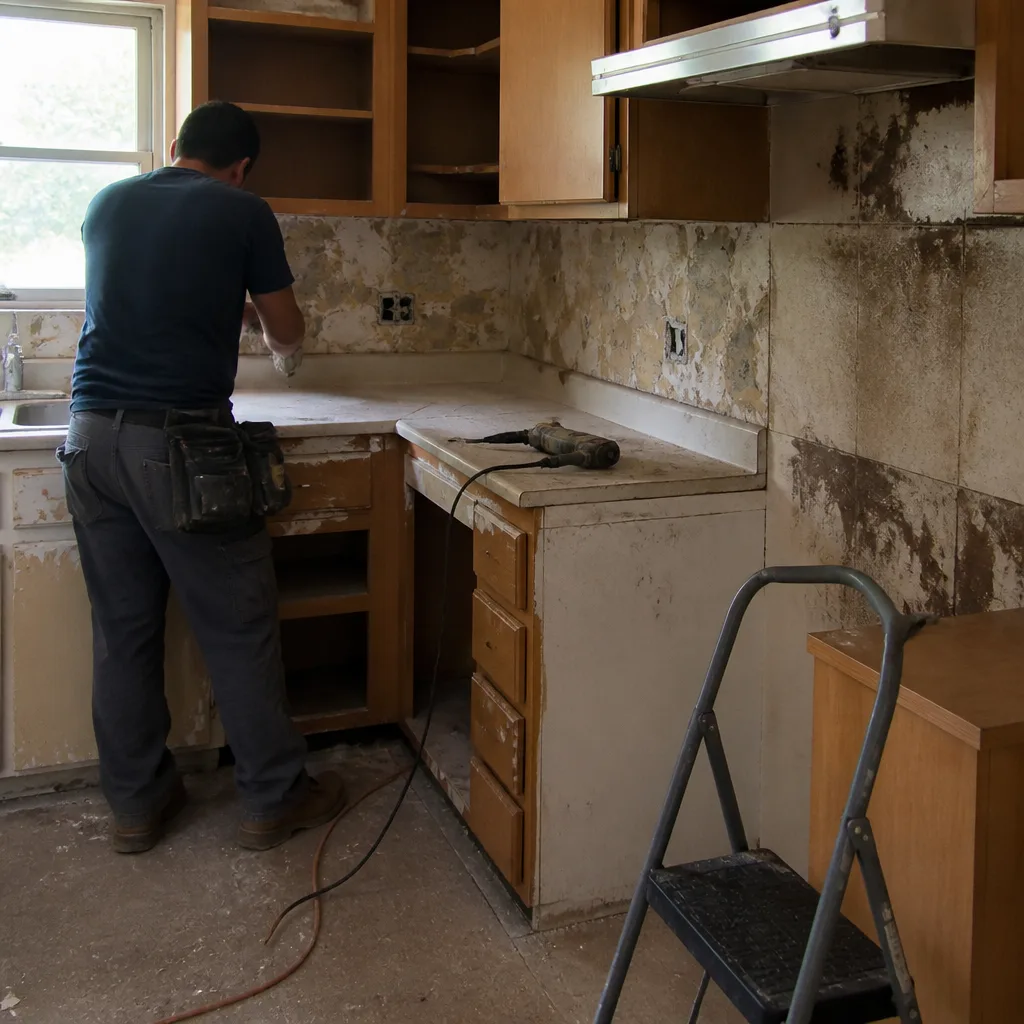 Before
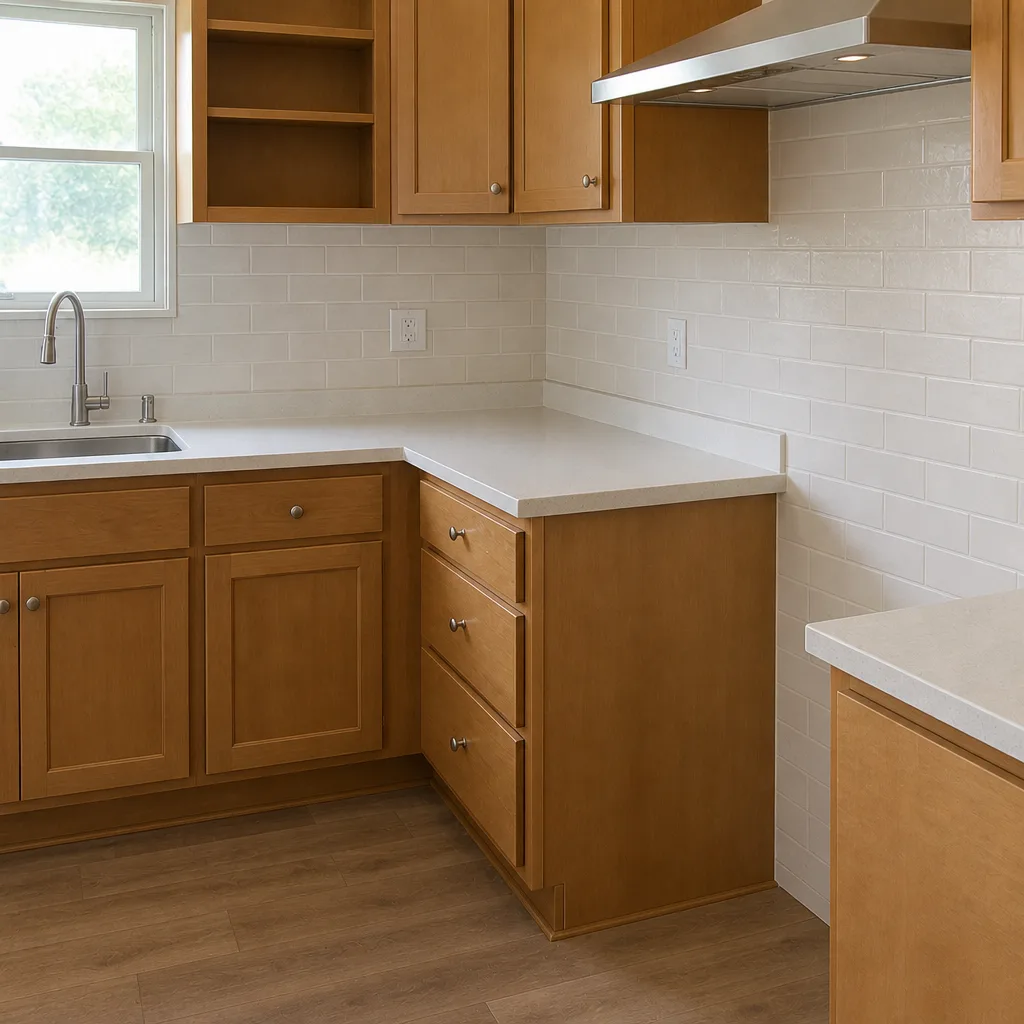 After
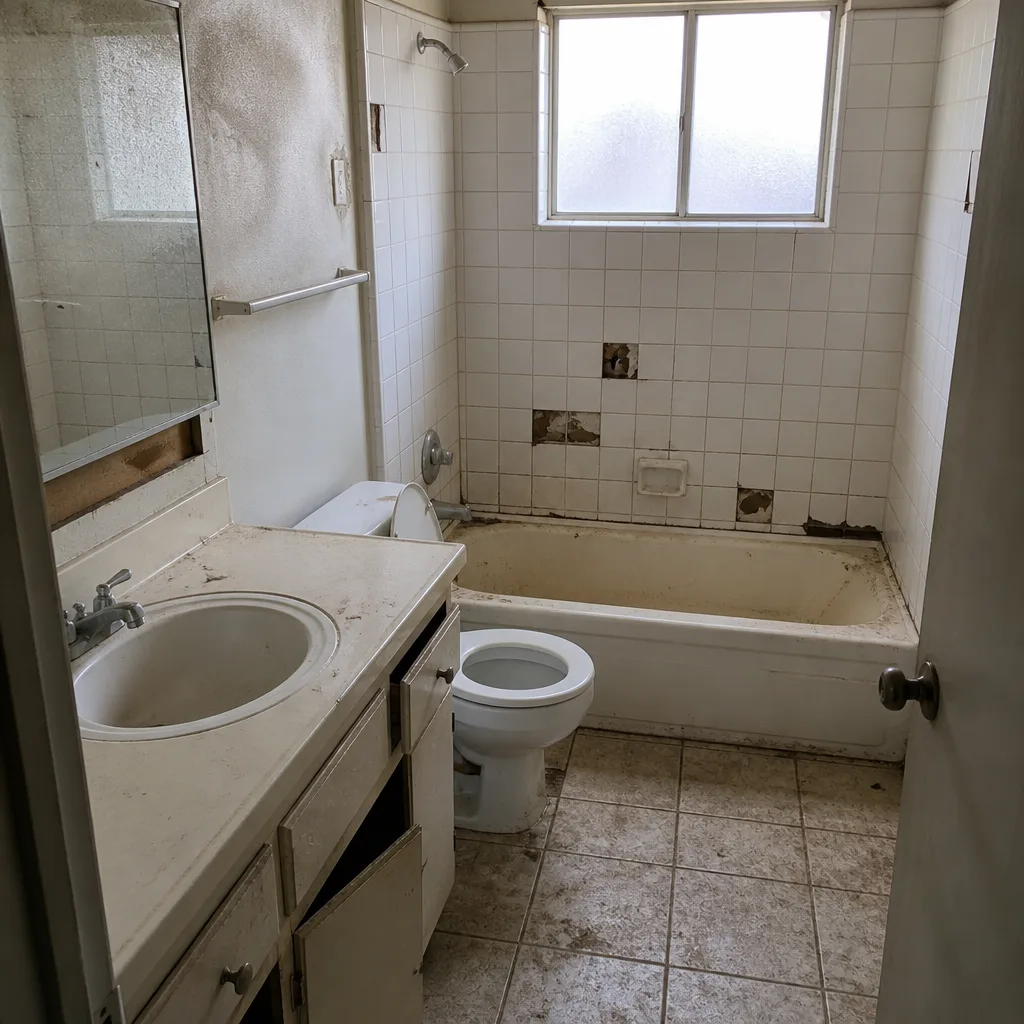 Before
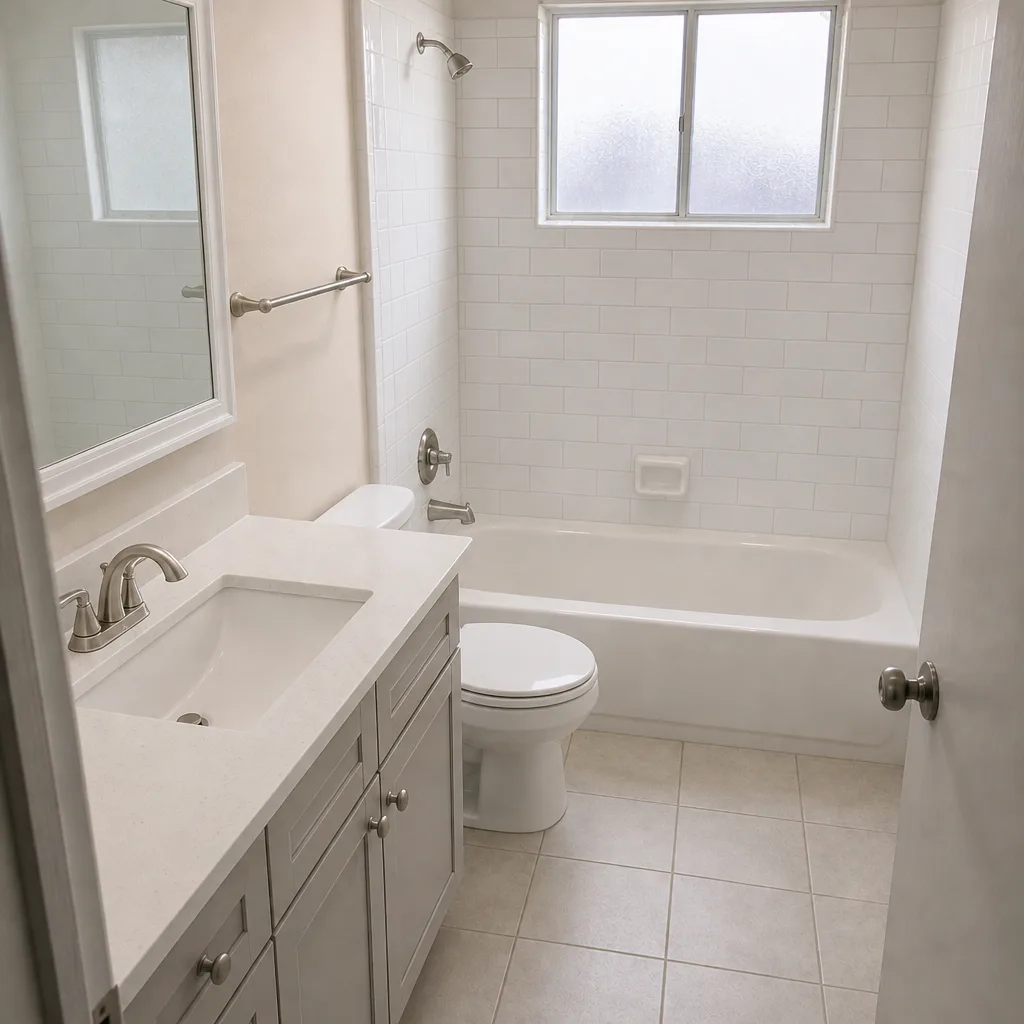 After
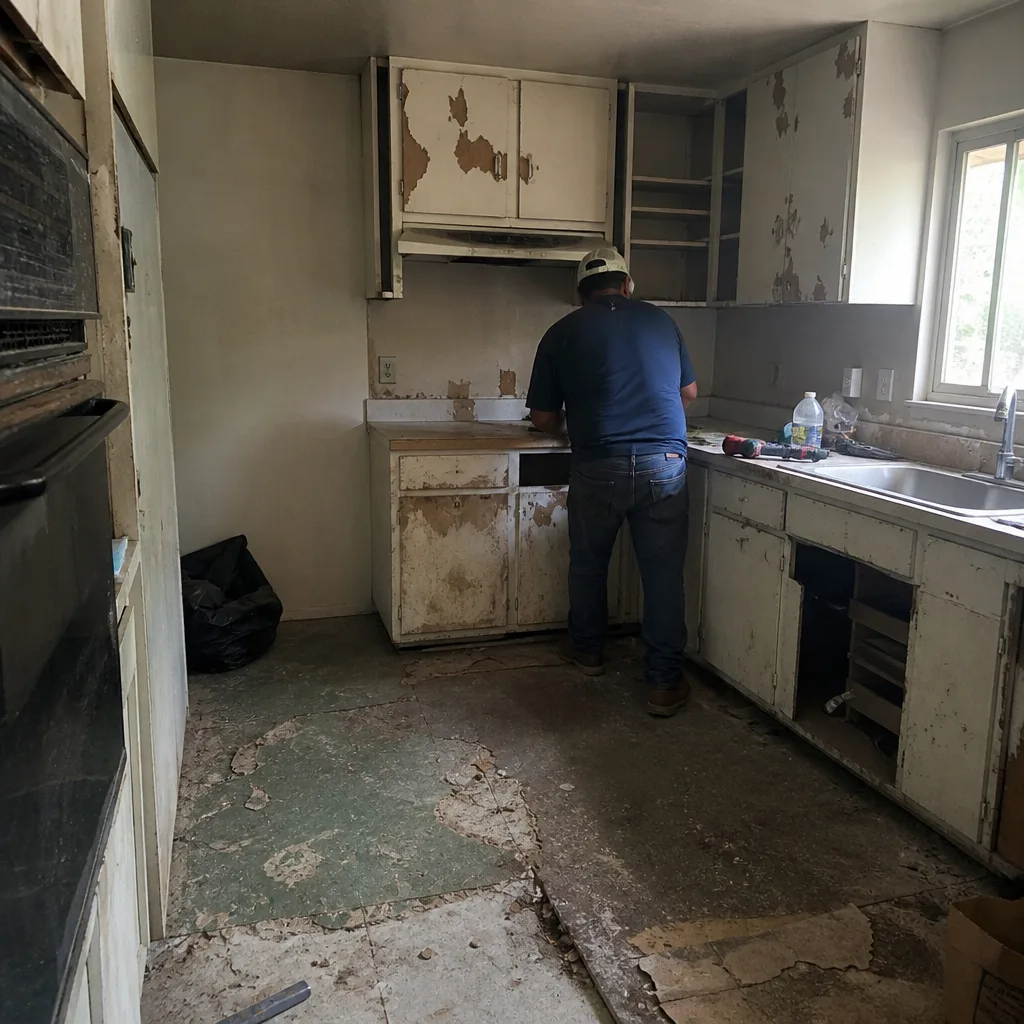 Before
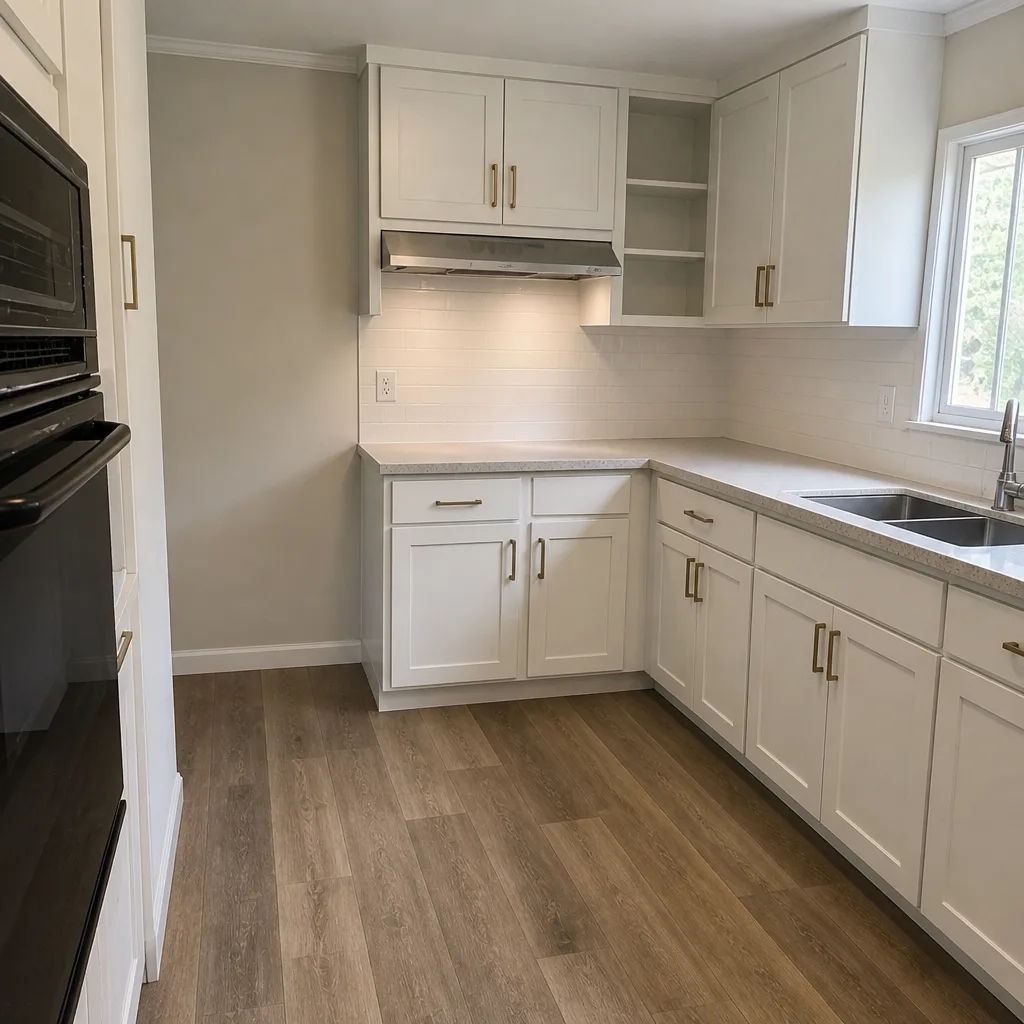 After