Last updated November 18, 2026
Free written scope consultation - allowances, timeline, and change-order rules on paper before a single trade is scheduled
Choosing the Right Construction Brand: A Buyer’s Guide for Costa Mesa
Most Costa Mesa homeowners assume that a brand name on a construction material means the product will perform the same way everywhere. It doesn’t. A roofing shingle engineered for the dry heat of the Southwest can age very differently in a Costa Mesa marine layer that keeps surfaces damp well into the morning, and a window frame that holds up in a desert subdivision may need more attention a few miles from the water. The brand matters, but the brand in this climate matters more. This guide walks through how to evaluate the manufacturers behind your roof, windows, pavers, and fixtures, what a warranty actually promises, and how to spot the brand choices that will save you money years from now.
Quick Answer
The right construction brand in Costa Mesa is the one whose product is engineered for a mild, humid coastal-influenced climate, whose warranty survives the fine print, and whose materials are locally stocked so future repairs are possible. Evaluate manufacturers on climate fit, warranty terms, local availability, and installation standards, not on the size of the logo. A single-source contractor who coordinates brands across the whole exterior envelope can back those choices with one workmanship warranty instead of four.
Styles & brands we work with
- Kitchen remodeling
- Bathroom remodeling
- Home additions & ADU
- Roofing
- Windows & doors
- Driveway & pavers
- Fence
Table of Contents
- What “Brand” Actually Means in Residential Construction
- Evaluating Roofing Brands for Costa Mesa’s Climate
- Window Brands: Frame Materials and Marine-Layer Performance
- Paver and Hardscape Brands: Why Local Stock Matters
- Manufacturer Warranty vs. Workmanship Warranty
- Interior Brands: Cabinets, Countertops, and Fixtures
- The Single-Source Advantage in Brand Selection
- A Step-by-Step Method for Vetting Any Brand
What “Brand” Actually Means in Residential Construction
When a Costa Mesa homeowner says “brand,” they usually mean one of two things, and confusing them is where projects go sideways. The first meaning is the material manufacturer: the company that makes the shingle, the window frame, the paver, the faucet. The second meaning is the contractor’s own reputation. Both matter, but they’re evaluated completely differently, and a strong logo on the box tells you nothing about the crew installing it.
In our experience, homeowners researching the best construction materials brands in Costa Mesa are really trying to answer a practical question: will this product hold up here, and will I be able to get parts or matching material in five or ten years? That’s the right question. A brand that ranks well nationally can still be a poor local choice if the manufacturer has no distribution nearby or has discontinued the color you need.
Material brands operate at three tiers:
- National systems brands like GAF, CertainTeed, and Owens Corning for roofing, or Cambria, Silestone, and Caesarstone for countertops. These come with published installation standards, extended warranties when the full system is used, and broad distribution.
- Regional or specialty brands with strong products but narrower dealer networks. Good products, but you need to confirm local availability before committing.
- Builder-grade defaults, the products a builder substitutes when nobody specifies otherwise. They’re not inherently bad, but they’re chosen for cost, not for performance in a Costa Mesa marine layer.
The single biggest takeaway: brand selection should be specified, not substituted. When a material is written into the contract by name and model, you know what you’re getting. When it says “or equivalent,” you don’t.
Evaluating Roofing Brands for Costa Mesa’s Climate
Roofing brands get compared on price per square and color selection, which are the two least important variables in a mild coastal climate. What actually determines lifespan in Costa Mesa is how the product handles moisture cycling: the daily build-up of condensation and marine-layer humidity followed by afternoon sun. Products engineered for dry heat can lose granules faster when they’re repeatedly wetted and dried, because the asphalt substrate flexes more often than the design assumptions allowed for.
Three roofing material families dominate local residential work, and each has a different brand landscape:
- Class A asphalt shingles. The most common choice. Six major manufacturers supply the systems used locally: GAF, CertainTeed, Owens Corning, IKO, Atlas, and Tamko. The brand decision here matters less than which system you buy. A shingle installed with that manufacturer’s underlayment, starter course, ridge vent, and fasteners qualifies for a system-matched warranty. A mixed-brand assembly usually qualifies only for the base product warranty, which is a fraction of the coverage.
- Concrete tile. Long-lived and well suited to the local climate, but heavier, so the structure must be assessed first. Underlayment, not the tile, is the failure point, and the underlayment brand is often ignored in bid comparisons.
- Metal. Excellent moisture performance and long service life. Brand selection should be driven by coating warranty in a coastal-influenced climate and by the availability of matching trim and fasteners for future repairs.
One thing most homeowners never read: coastal warranty exclusions. Some manufacturers reduce coverage for properties within a certain distance of the coastline, and the definition of “coastline” varies by brand. Read the warranty exclusions for your specific product before you sign, not after a claim. If a brand excludes or shortens coverage for coastal-influenced zones, that’s information you want up front.
Asphalt roof replacement is one of those jobs you want to hand to a trained professional, and it’s a reminder that a good roof is the brand plus the installer. If you’re comparing full-scope bids, our Construction Costa Mesa page lays out how the categories fit together.
Window Brands: Frame Materials and Marine-Layer Performance
Windows fail in Costa Mesa’s climate for reasons that have nothing to do with glass and everything to do with frame material and hardware. In a marine-layer climate where exterior surfaces stay damp through the morning, the frame’s ability to shed water and the hardware’s resistance to moisture are what determine whether a window still operates smoothly in ten years.
The three common frame families behave very differently:
- Aluminum-clad wood. The wood interior is protected by an aluminum exterior, so the wood doesn’t see weather. Excellent thermal performance and a premium look, and it’s easy to service locally because components are standardized. Cost is higher, and any breach in the cladding needs prompt repair.
- Vinyl. The most common choice at mid-range budgets. Vinyl doesn’t rot or need painting, but lower-grade extrusions can become brittle and can be sensitive to heat over many years. Quality varies enormously between brands, so ask about the extrusion grade and the warranty on the frame itself, not just the glass.
- Fiberglass. Dimensionally stable, holds paint well, and handles moisture without swelling. A strong choice for coastal-influenced climates, with a smaller local dealer network than vinyl, so availability for repairs needs checking.
On brand programs, look for windows and doors with published installation standards and locally available replacement parts. Programs like PGT, CGI, Therma-Tru, ECO Window Systems, and ViewLux cover energy-efficient and custom configurations. The right question isn’t which brand is “best” in the abstract; it’s which brand’s local dealer stocks the sash, hardware, and screen parts you’d need in five years. A window you can’t get parts for is an eventual full-frame replacement.
Windows and exterior doors are the seam between the controlled interior and the humid exterior, so installation detail matters as much as the frame. That’s a big reason we treat windows & doors as its own trade with its own standards rather than a line item inside a larger job.
Paver and Hardscape Brands: Why Local Stock Matters
Matching discontinued pavers is one of the most common and expensive hardscape problems homeowners run into, and it’s almost entirely a brand-selection issue that gets decided before the first paver is laid. A driveway or patio looks permanent, but within a few years a utility excavation, a settled edge, or a cracked unit will need replacement material. If the exact color, size, and finish are no longer in production, you’re facing a partial or full replacement of a surface that was supposed to last decades.
The leading paver brands used locally are Belgard, Unilock, Techo-Bloc, Tremron, and Cambridge Pavers. Each has a distinct catalog, and availability varies by region. The strategy that protects you:
- Confirm the specific product line is currently in production and ask how long it’s been in the catalog. Long-standing lines are less likely to be discontinued.
- Ask where the material is stocked. Locally stocked product is easier to match for repairs and easier to get more of if the design changes mid-project.
- Buy an attic stock. Order a small surplus of the exact pavers, seal them, and store them. It’s cheap insurance against a future patch.
- Match the base and edge restraint brands to the paver system. A paver surface is a system: the paver, the base, the sand, and the edge restraint. A premium paver on a mismatched base still fails.
- Get the product name and color written into the contract, not just the brand, so substitutions can’t happen quietly.
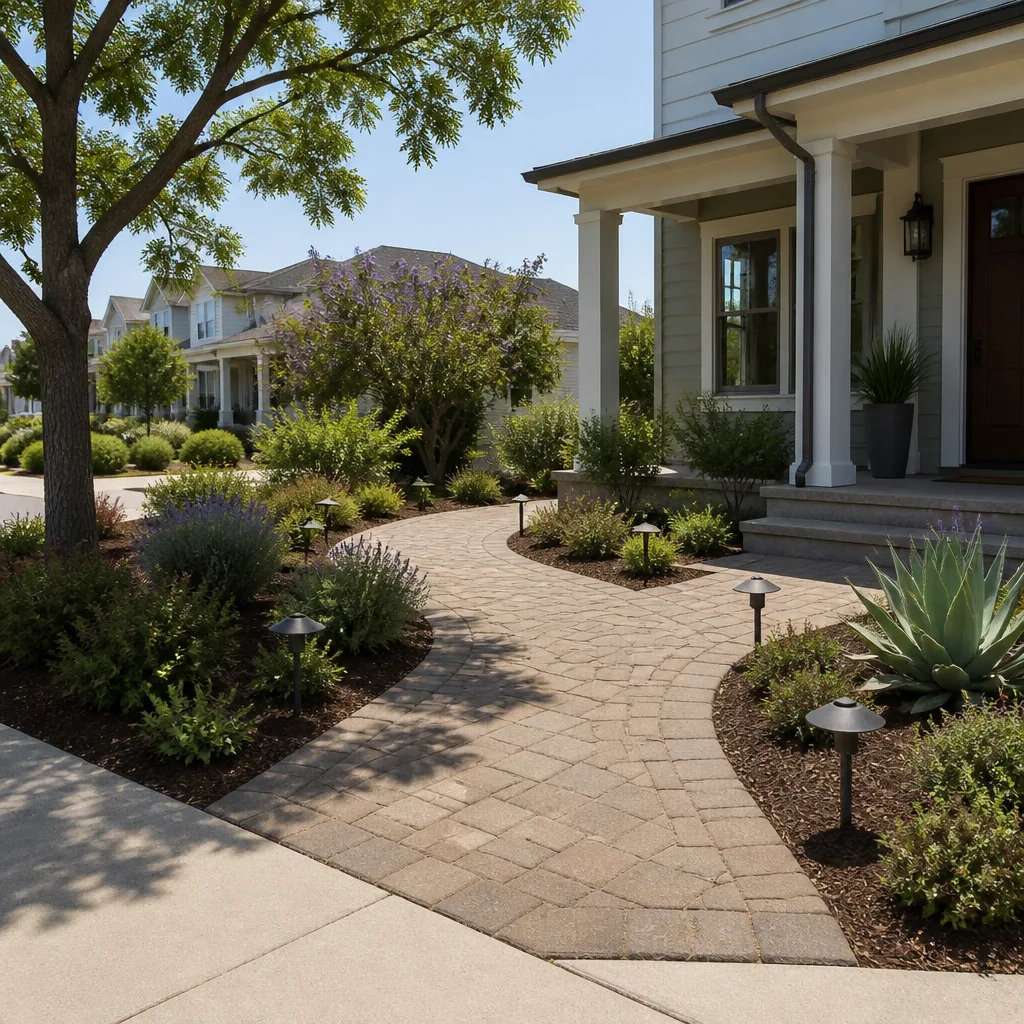
Costa Mesa’s mild climate is kind to pavers compared with freeze-prone regions, but the marine layer does mean the surface stays damp longer, which makes proper drainage and base compaction the deciding factors in how long the surface looks new. Getting the material brand right and the base wrong is a wasted premium. For a closer look at how a driveway is built, see driveway & pavers.
Manufacturer Warranty vs. Workmanship Warranty
A manufacturer’s warranty covers the product. A contractor’s workmanship warranty covers the installation. Homeowners routinely read the first and ignore the second, which is backwards: most material failures trace back to installation, and the workmanship warranty is the one that actually protects you. The problem is that a workmanship warranty is only as good as the contractor’s ability to honor it years down the road. If the contractor is out of business in three years, that warranty is worth nothing, which is exactly why the third-party standards and manufacturer certifications matter as a form of long-term accountability.
When you compare warranties, ask four questions:
- What does the manufacturer’s warranty exclude? Read the exclusions section, not the headline coverage years. Coastal-influenced climate exclusions, improper-installation exclusions, and “must use the full system” requirements are the ones that come up.
- How long is the workmanship warranty, and what does it cover? Product defects and installation defects are different claims handled by different parties. Know which is which.
- Is the warranty transferable? If you sell the home, a transferable warranty is a selling point.
- Does the installation follow the manufacturer’s published standards? Most extended warranties are void if the product wasn’t installed to spec. This is where “built to the brand’s standard, not just the minimum code” becomes a warranty issue, not a slogan.
When brand selections are specified in a written, line-item estimate, warranty coverage becomes far easier to manage. One contract, one set of specs, one point of accountability across the trades means you’re not tracking four warranties from four contractors who may no longer be reachable.
Interior Brands: Cabinets, Countertops, and Fixtures
Brand selection for the interior is a different exercise from the exterior. The climate matters less inside, but the specification discipline matters more, because interior work involves many more products from many more manufacturers, and substitutions happen constantly. Kitchen and bath projects are also where a homeowner most notices when a brand was “or equivalent” rather than the specific product they chose.
The brands worth knowing fall into four groups:
- Countertops. Cambria, Silestone, and Caesarstone are the strongest programs locally. Compare them on colors, edge options, heat and stain behavior, and the fabricator network that services them, since countertop quality depends as much on the fabricator as the slab.
- Cabinetry. KraftMaid and Wellborn give you semi-custom and full-custom options within the same project scope, without sourcing a separate supplier. Cabinet brands differ in door styles, finishes, and box construction, so ask for a sample door, not a brochure photo.
- Fixtures. Kohler, Grohe, and Toto cover the range from entry-level to high-end. Toto is well known for toilets and bidet seats, Grohe for shower valves and fittings, and Kohler for a broad range of sinks and faucets. Fixture brands are worth comparing on parts availability for repairs, not just finish.
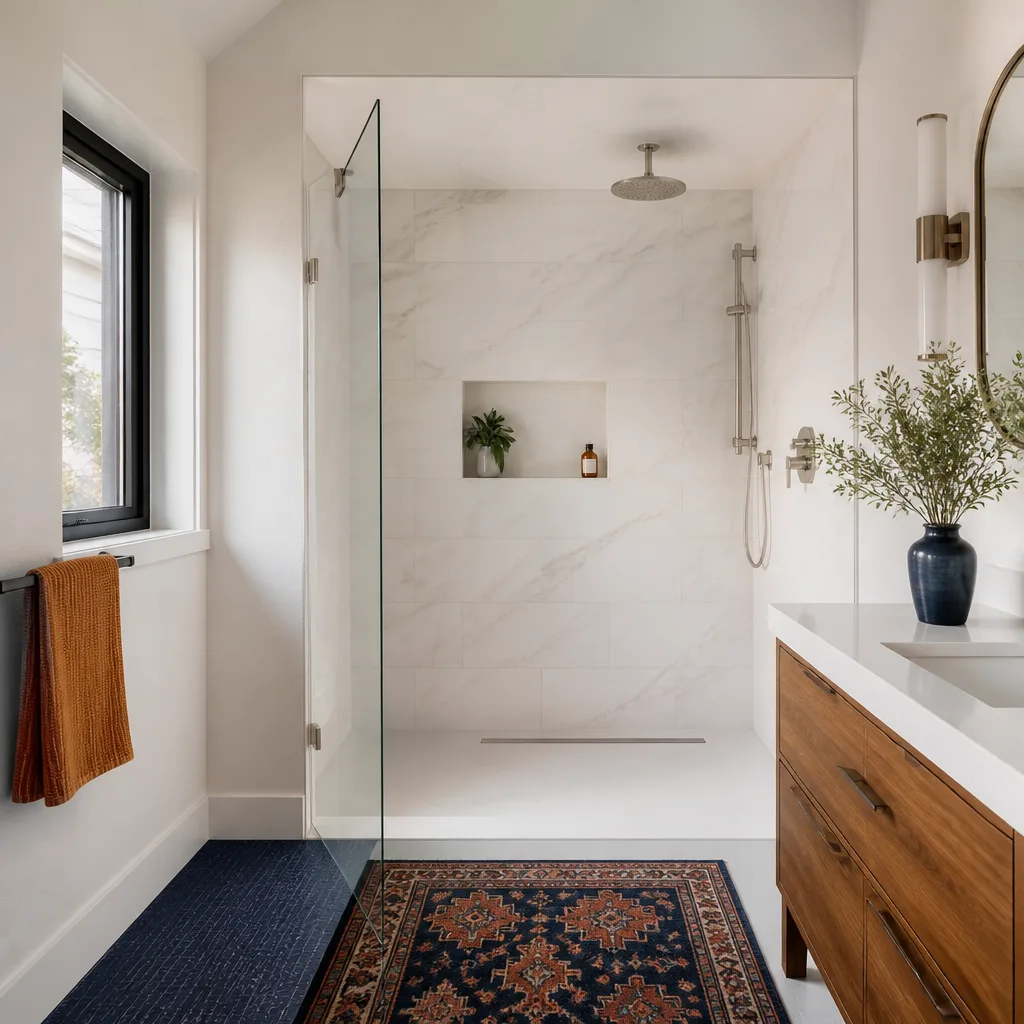
- Substrates and waterproofing. Schluter waterproofing systems and James Hardie fiber-cement products are the brands behind the surface. These are the choices that determine whether a bathroom fails in five years. Ask about them; a bid that doesn’t name the waterproofing brand is a bid you should question.
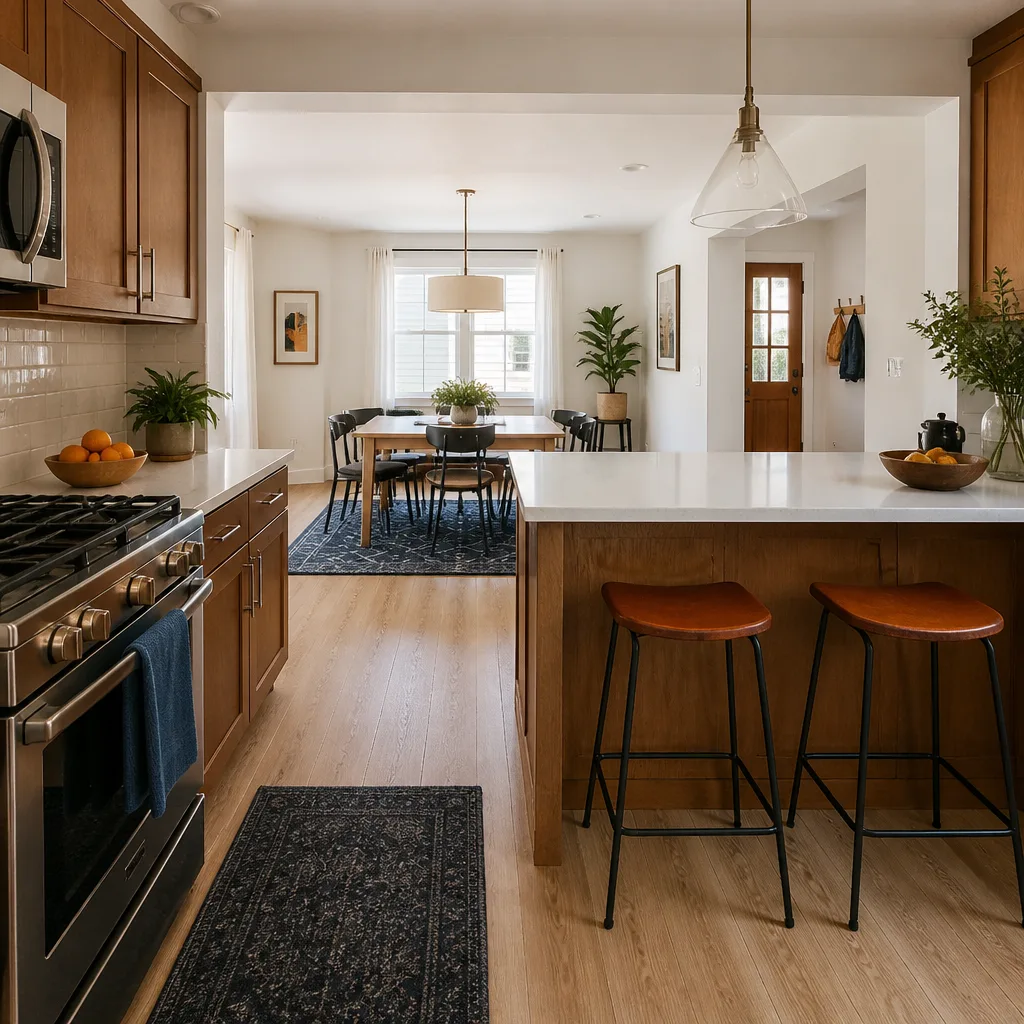
Interior brands are where builder-grade substitution bites hardest, because most homeowners never specify them. Get the brands into the written estimate, and see the Construction Costa Mesa scope for how interior and exterior selections are coordinated under one contract.
The Single-Source Advantage in Brand Selection
Here’s where brand choices stop being a catalog and become a coordination problem. The exterior envelope of a home is one system: the roof sheds water, the windows and doors seal the openings, the fencing and hardscape manage surface water, and the seams between them are where water gets in. When four contractors each bring their own brands, nobody owns the transitions, and warranty claims get passed around. A single-source contractor who controls the brands across those categories can coordinate coverage and spec assemblies that are designed to fit together.
We see this most in two places. Roofing and windows meet at the head of a wall, where flashing, sealant, and the window manufacturer’s installation standard all come together; if the window brand and the roofing brand are installed by different contractors, a leak at that junction becomes a finger-pointing exercise. The same is true at the hardscape: a paver driveway that meets a fence line gets its drainage from both, and both brands need to work with each other.
The single-source model also pays off for home additions & ADU work, where a new structure ties into the existing roof, windows, and site drainage. Brand selection has to be coordinated across the addition and the existing house, and a design center’s spec list can’t do that because it has no installers attached to it. Options range from site-built additions to prefab and modular solutions like Abodu, Dvele, Mighty Buildings, Boxabl, and Plant Prefab, all subject to local zoning.
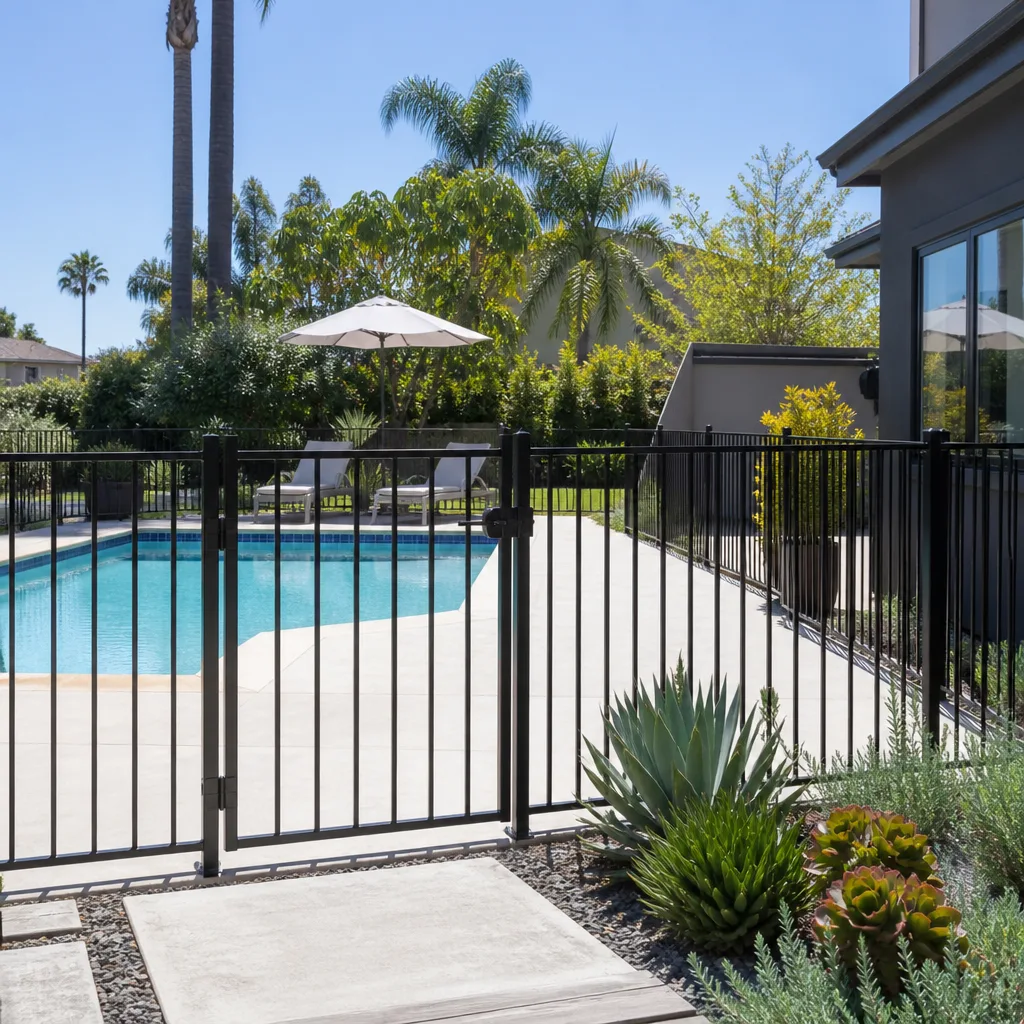
And for the perimeter, fence installation brands like Barrette, Master Halco, Ameristar, Jerith, Bufftech, and ActiveYards span aluminum, steel, vinyl, and ornamental styles, all coordinated with the rest of the exterior. If you want to talk through how the brand decisions fit the whole project, call (855) 506-4558. We answer 24/7. Fast dispatch from 7am to 7pm, Sunday through Friday.
A Step-by-Step Method for Vetting Any Brand
Rather than memorize brand names, use a repeatable method for any product. This works whether you’re comparing shingles, windows, pavers, or faucets, and it takes about an hour per category.
- Write down the exact product and model. Not “GAF shingles,” but the specific line and color. Vague specs invite substitutions.
- Check climate suitability. For the exterior, ask the manufacturer or dealer how the product performs in a mild, humid, coastal-influenced climate. A dry-heat product may not be the right choice.
- Read the warranty exclusions. Find the section on coastal or climate exclusions and the requirement to use the full system. This is where disappointment lives.
- Confirm local availability. Ask the distributor and the contractor: is this in stock locally, and will matching units be available for future repairs?
- Check the installation standards and whether the installer follows them. The best product installed off-spec is a warranty void.
- Ask for the workmanship warranty in writing. Length, coverage, and transferability. Product and labor are separate claims.
- Compare on total cost of ownership, not price per square. A cheaper product that can’t be repaired is more expensive over the life of the home.
Run that method for your roof, your windows, your hardscape, and your interior surfaces, and you’ll have a brand spec that can go straight into the bid packet. That’s when the estimate becomes comparable between contractors instead of a guessing game.
Common Mistakes to Avoid
- Choosing a brand because it’s what your neighbor used. Same neighborhood, different sun exposure and moisture cycling, different result. Match the product to your home and its orientation, not the house next door.
- Accepting “or equivalent” as a spec. It’s an open door for substitution. Insist on the exact brand and model, written into the contract, and check it against the delivered material.
- Ignoring the installation warranty and reading only the product warranty. Most failures are labor, not material. The workmanship warranty is the one that protects you, so confirm it’s real and transferable.
- Not buying attic stock for hardscape. Discontinued pavers are the single most frustrating repair in residential construction. Buy a surplus now and store it.
- Buying a mixed-brand exterior assembly to save a little on materials. A system-matched roof and window assembly is what earns the extended warranty, and in Costa Mesa’s marine layer, that’s exactly the warranty you want.
- Skipping the substrate brands. Waterproofing and fiber-cement products are invisible after the install but determine whether a bathroom or exterior wall lasts. If the bid doesn’t name them, ask.
- Letting four contractors each own a separate brand. Transitions between roof, windows, and hardscape are where water gets in, and separate contractors don’t coordinate them. A single-source scope does.
See the difference
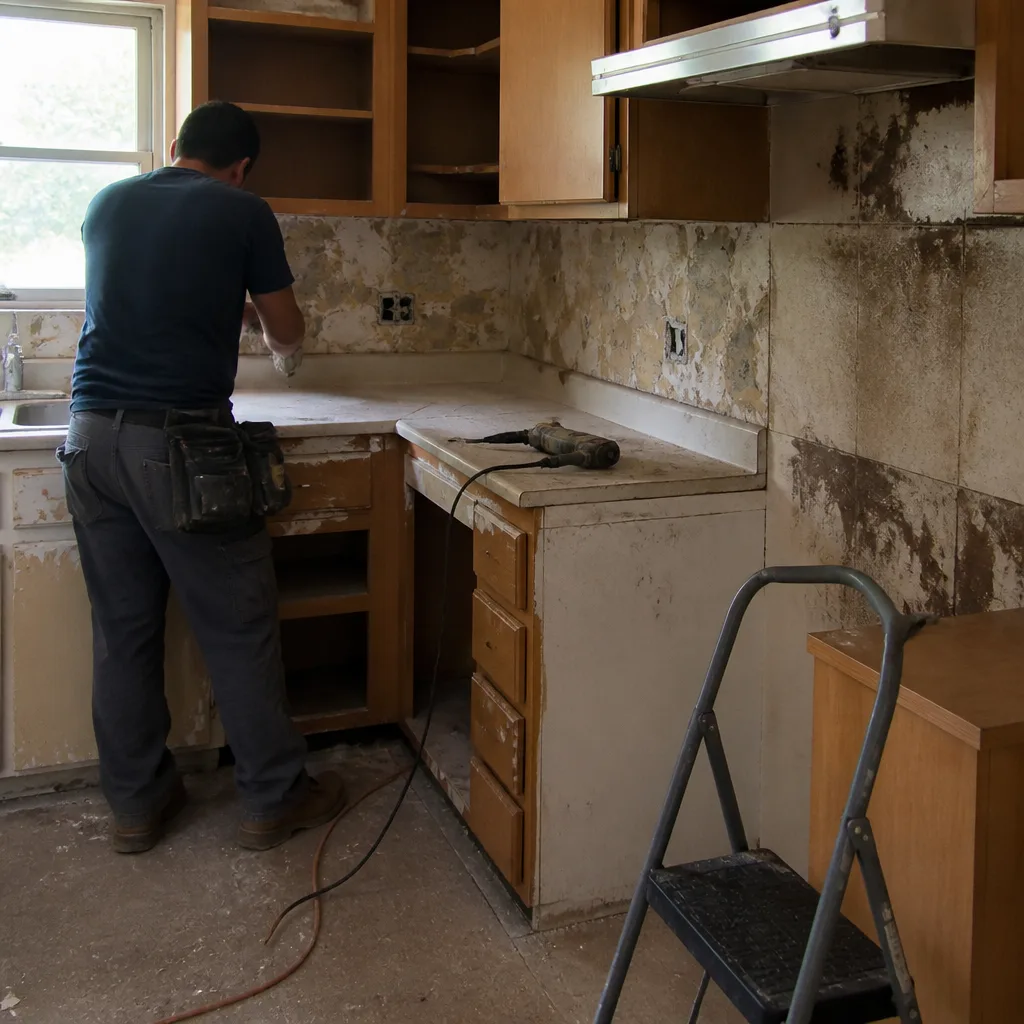 Before
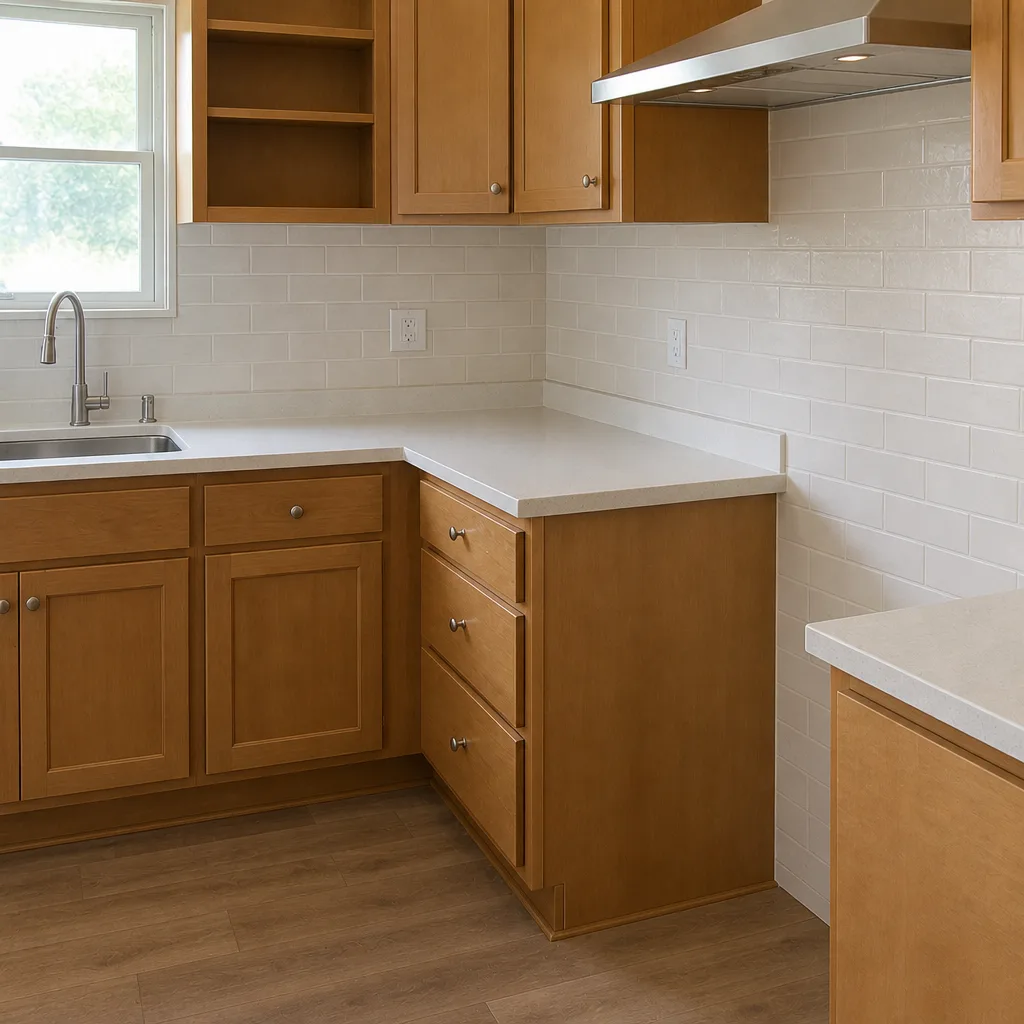 After
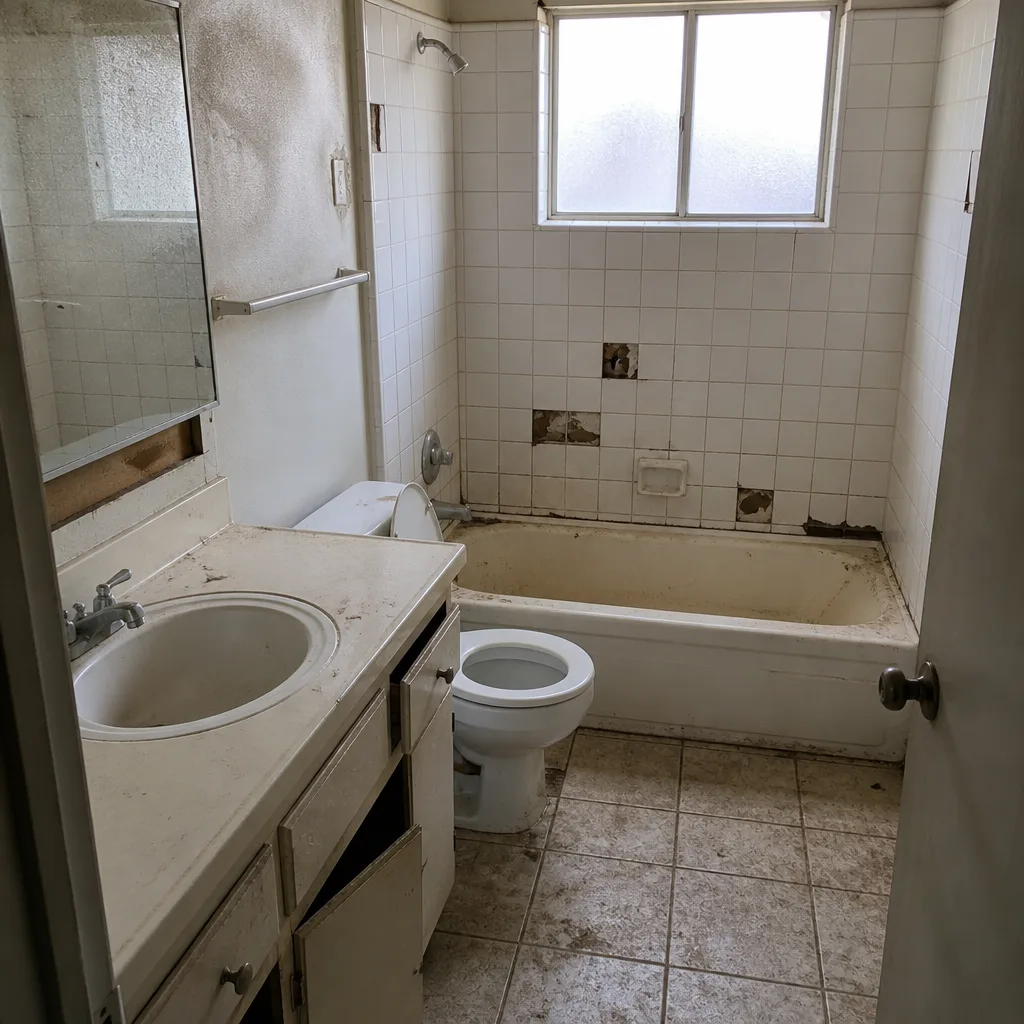 Before
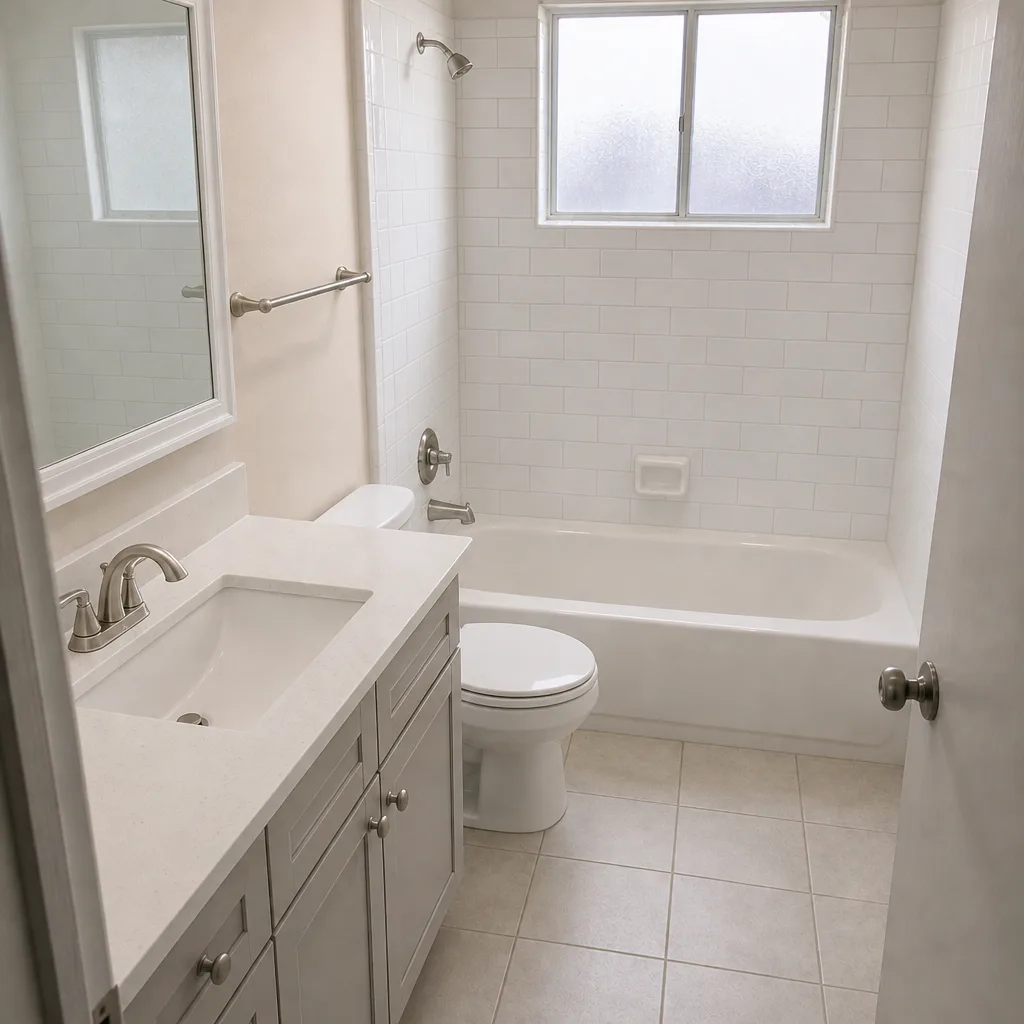 After
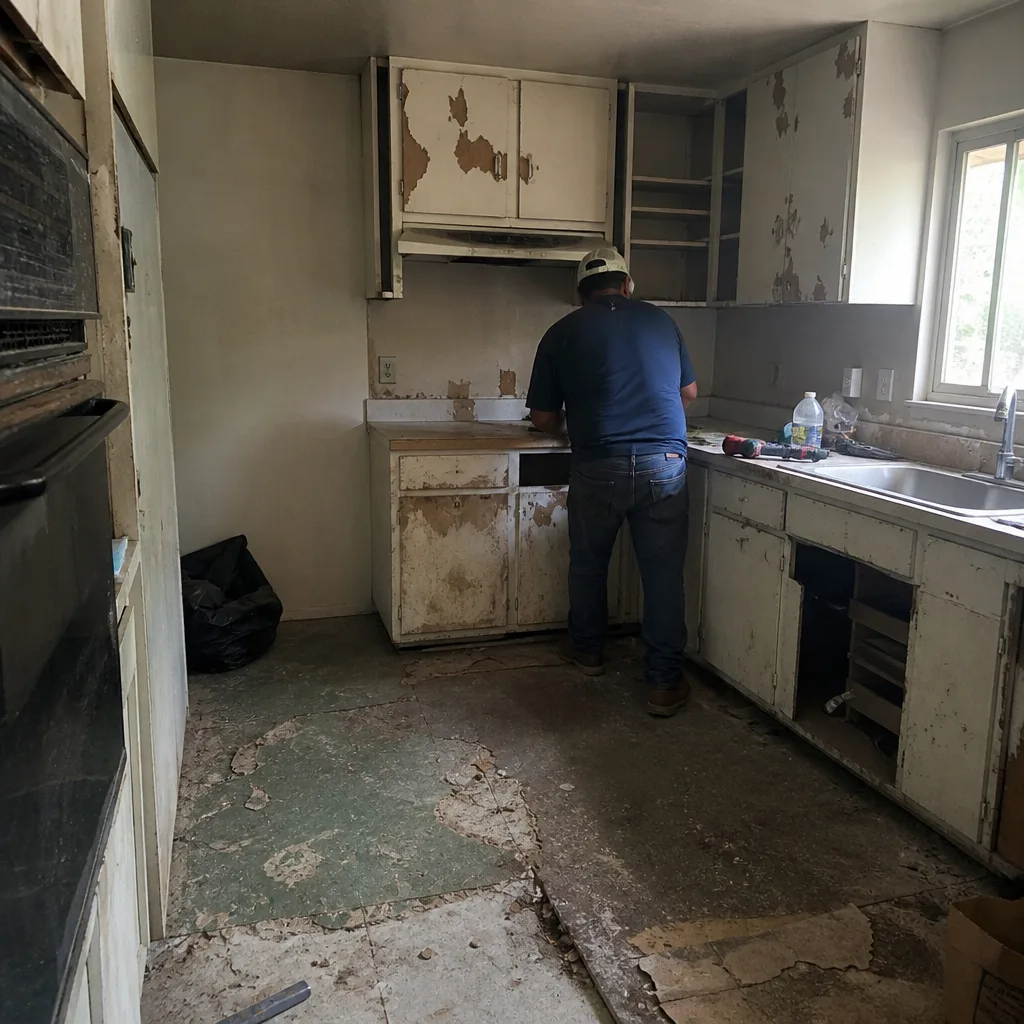 Before
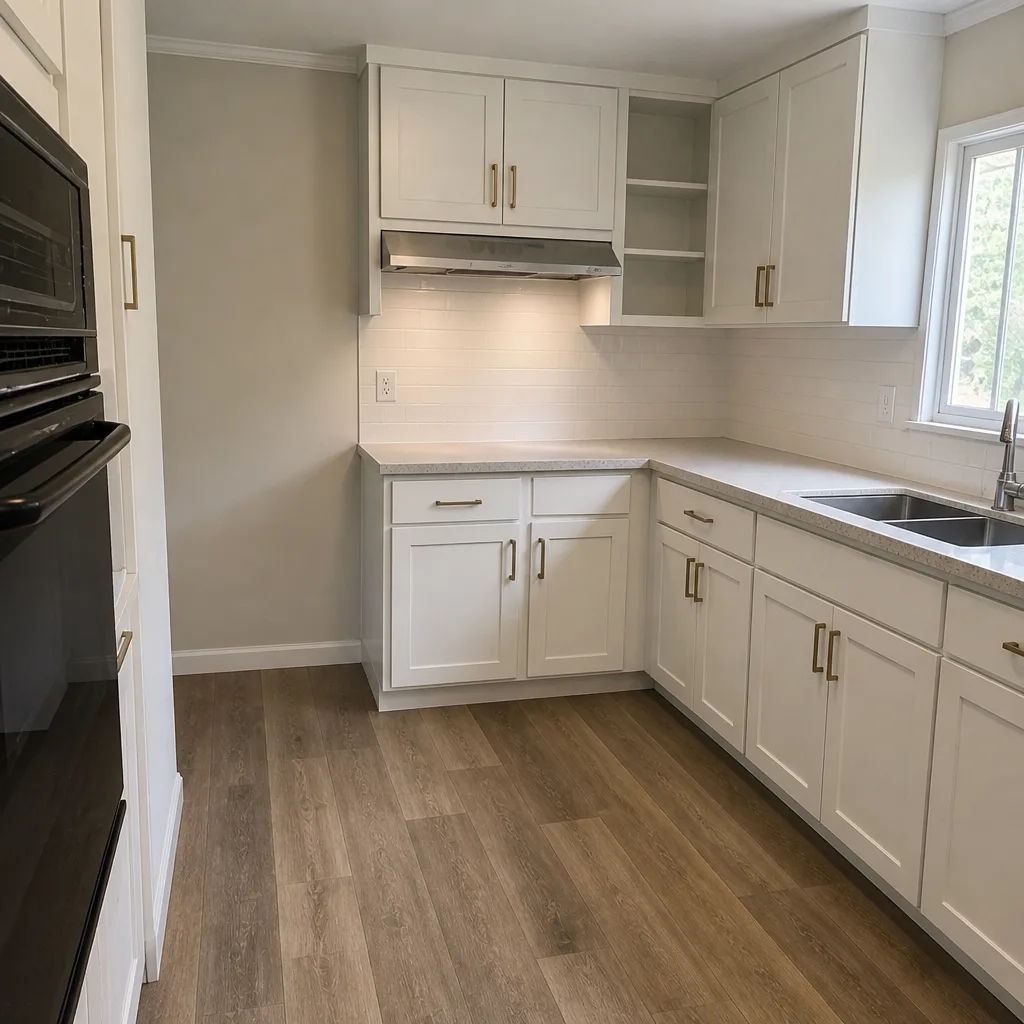 After
When to Call a Professional
Brand selection is a decision you can research on your own, but installation is not a do-it-yourself job when it involves your roof, your electrical service, or the waterproofing behind a bathroom wall. Call a professional when a product’s warranty depends on certified installation, when a project touches the exterior envelope in more than one place at once, when you’re comparing bids and need the brands specified in writing, or when you’re planning an addition or ADU where zoning and coordination matter. A trained eye costs far less than a warranty voided by a shortcut.
Construction Costa Mesa offers free estimates in Costa Mesa, with written, line-item quotes that name the brands and products. Our technicians have up to 11 years of experience, and we work with more than 50 brand-name manufacturers across roofing, cabinetry, countertops, fixtures, windows, doors, fencing, hardscape, and ADU systems. Call (855) 506-4558. We answer 24/7. Fast dispatch from 7am to 7pm, Sunday through Friday.
Frequently Asked Questions
There isn’t a single best roofing brand; the right one depends on the material family. For asphalt shingles, GAF, CertainTeed, and Owens Corning are the strongest programs locally when you use a full system-matched assembly that earns the extended warranty. For tile and metal, the underlayment and coating brands matter more than the tile brand. Call (855) 506-4558 for an exact quote – estimates are free and we’ll spec the brand for your home.
Not always, and the exclusions section is where you find out. Some manufacturers shorten or exclude coverage for properties within a defined distance of the coastline, and the definition varies by brand. Read the exclusions before signing, and ask the installer to confirm your property qualifies. Call (855) 506-4558 and we’ll walk you through the warranty terms for the products in your bid.
Compare frame materials first, then warranty, then local parts availability. Aluminum-clad wood and fiberglass handle a humid marine-layer climate best; vinyl is the most common mid-range choice, but quality varies widely between brands. The decisive question is whether local distributors stock the sash, hardware, and screens for repairs. Call (855) 506-4558 for help comparing configurations and getting a written quote.
The leading paver brands used locally are Belgard, Unilock, Techo-Bloc, Tremron, and Cambridge Pavers. Availability of specific product lines varies by distributor, so confirm the exact line is in current production before you commit. Buying a surplus is the best protection against future repair problems. Call (855) 506-4558 to discuss paver selections and get an estimate.
A manufacturer warranty covers product defects; a workmanship warranty covers the installation. Most failures are installation-related, so the workmanship warranty protects you more, but only if the contractor is still around to honor it, which is why third-party standards and manufacturer certifications matter. Get the workmanship term and coverage in writing. Call (855) 506-4558 for a quote with both warranties spelled out.
Yes, and it’s the main advantage of a single-source contractor. When one scope controls the brands across the exterior envelope, the transitions between roof, windows, and hardscape get coordinated, and warranty coverage across those assemblies is easier to manage. This is where a spec list from a design center falls short. Call (855) 506-4558 to talk through a full-scope project.
The Bottom Line
The brand on the box matters, but in Costa Mesa the brand that matters is the one engineered for a mild, humid, coastal-influenced climate, backed by a warranty that survives the exclusions section, and available locally for repairs years from now. Compare products on climate fit, warranty terms, and local stock rather than on price per square, and insist that brands and models are specified in writing rather than left to “or equivalent.” Interior selections follow the same rule: name the countertop, cabinetry, fixture, and waterproofing brands so substitutions can’t happen quietly. And whenever a project touches the exterior envelope in more than one place, a single-source contractor who coordinates the brands across the roof, windows, and hardscape gives you one point of accountability instead of four.
Ready to put a brand spec into a written estimate? Call (855) 506-4558 for a free estimate. We answer 24/7. Fast dispatch from 7am to 7pm, Sunday through Friday. Plans and schedules are handled Sunday through Friday; we’re closed on Saturday.
Written by the team at Construction Costa Mesa.