Last updated November 18, 2026
Free written scope consultation - allowances, timeline, and change-order rules on paper before a single trade is scheduled
Construction Permits, Codes & Inspections in Costa Mesa, CA: What You Need to Know
Most homeowners assume the hard part of a remodel is picking the countertop. In Costa Mesa, the harder part often turns out to be the paper trail. An unpermitted addition or a garage conversion that never got signed off doesn’t just sit quietly in the background. It surfaces during an Orange County title search, and when the square footage on record doesn’t match the square footage buyers see, lenders balk and deals stall. This guide walks through what actually triggers a permit in Costa Mesa, how plan check really runs, where CalGreen requirements sneak into a kitchen or bath budget, and what it takes to bring old unpermitted work into compliance before you list.
Quick Answer
In Costa Mesa, any project that changes a home’s structure, footprint, electrical service, plumbing, or life-safety systems needs a building permit, and that includes re-roofing, window replacement, and panel upgrades that many homeowners assume are exempt. Plan check ranges from same-visit over-the-counter review for simple work to multi-week standard review for additions and ADUs, with an expedited option in between. Pulling permits up front is almost always cheaper than dealing with the consequences at resale.
Styles & brands we work with
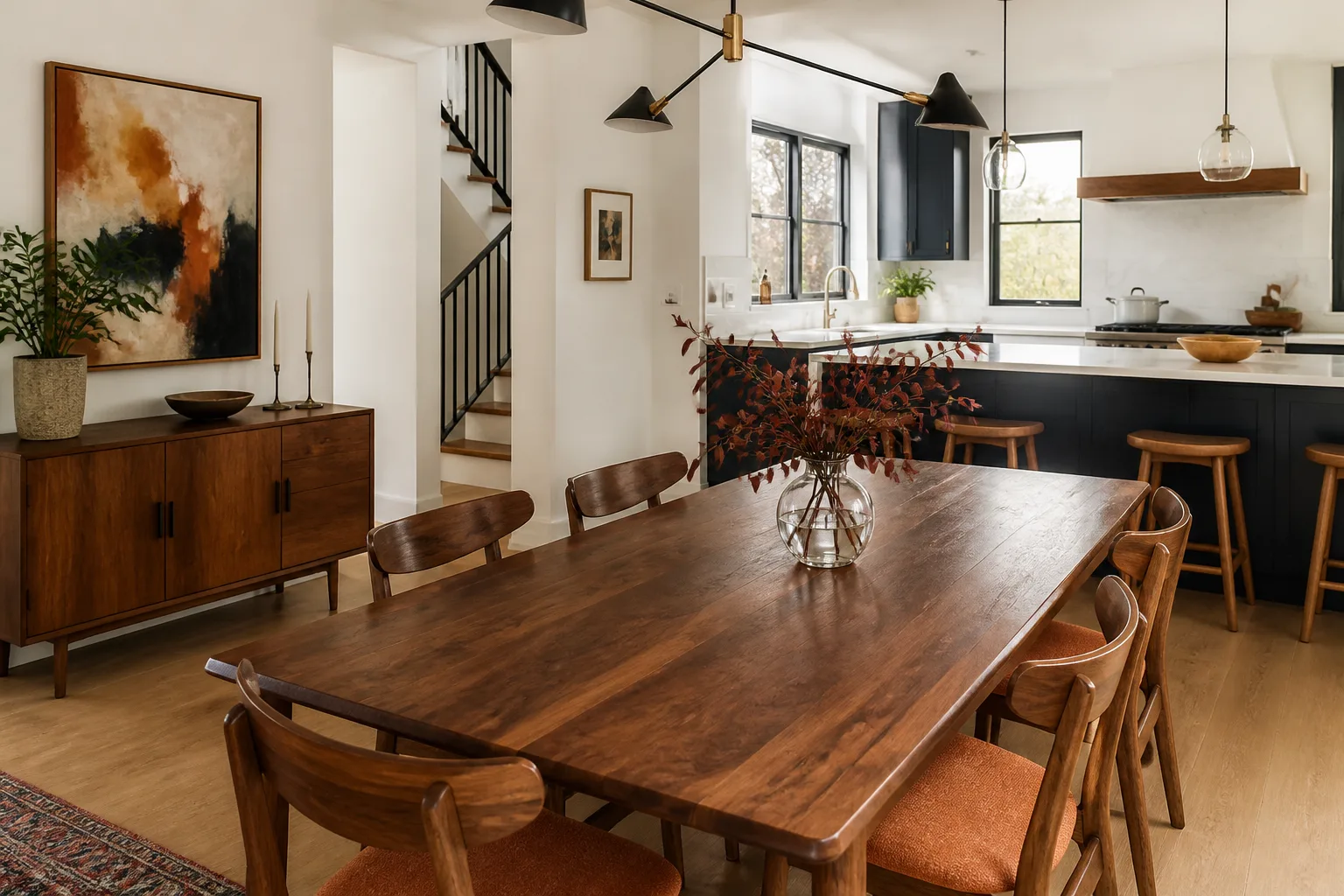
- Kitchen remodeling
- Bathroom remodeling
- Home additions & ADU
- Roofing
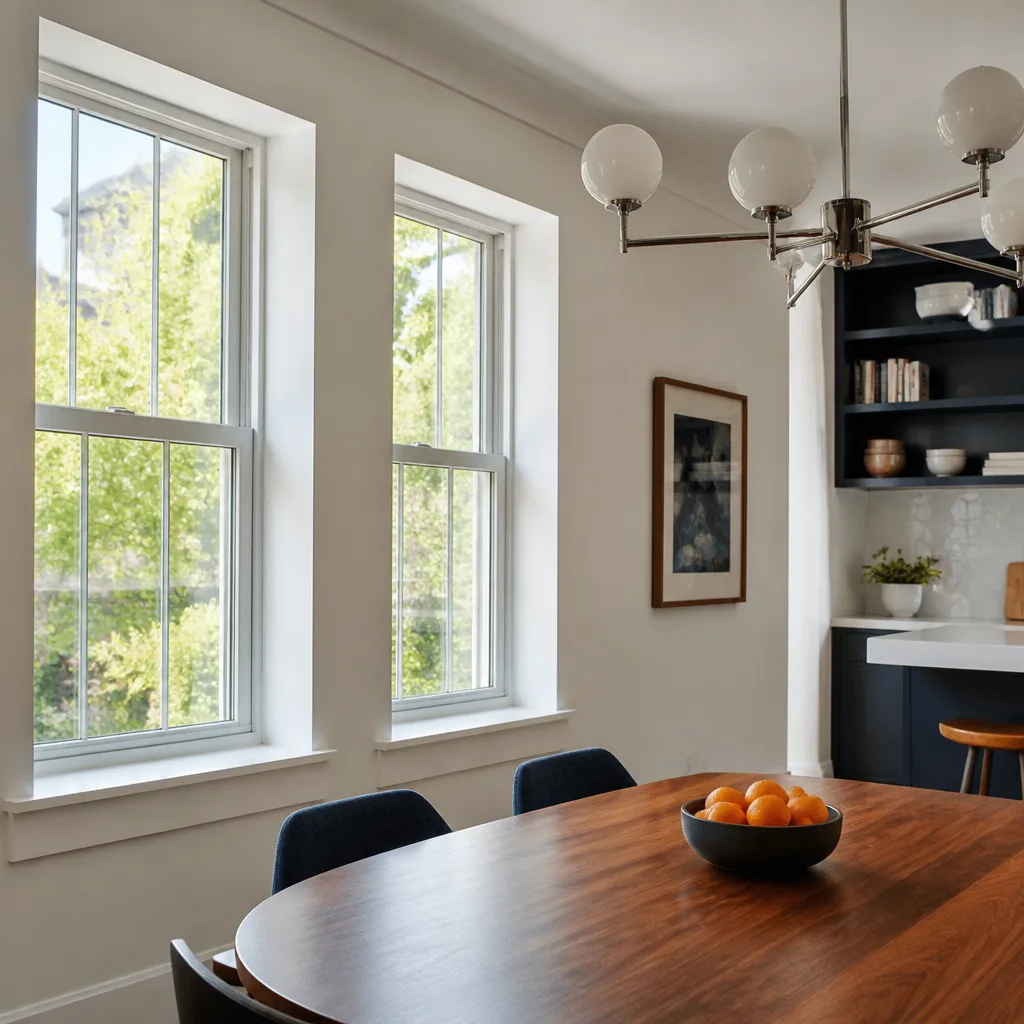
- Windows & doors
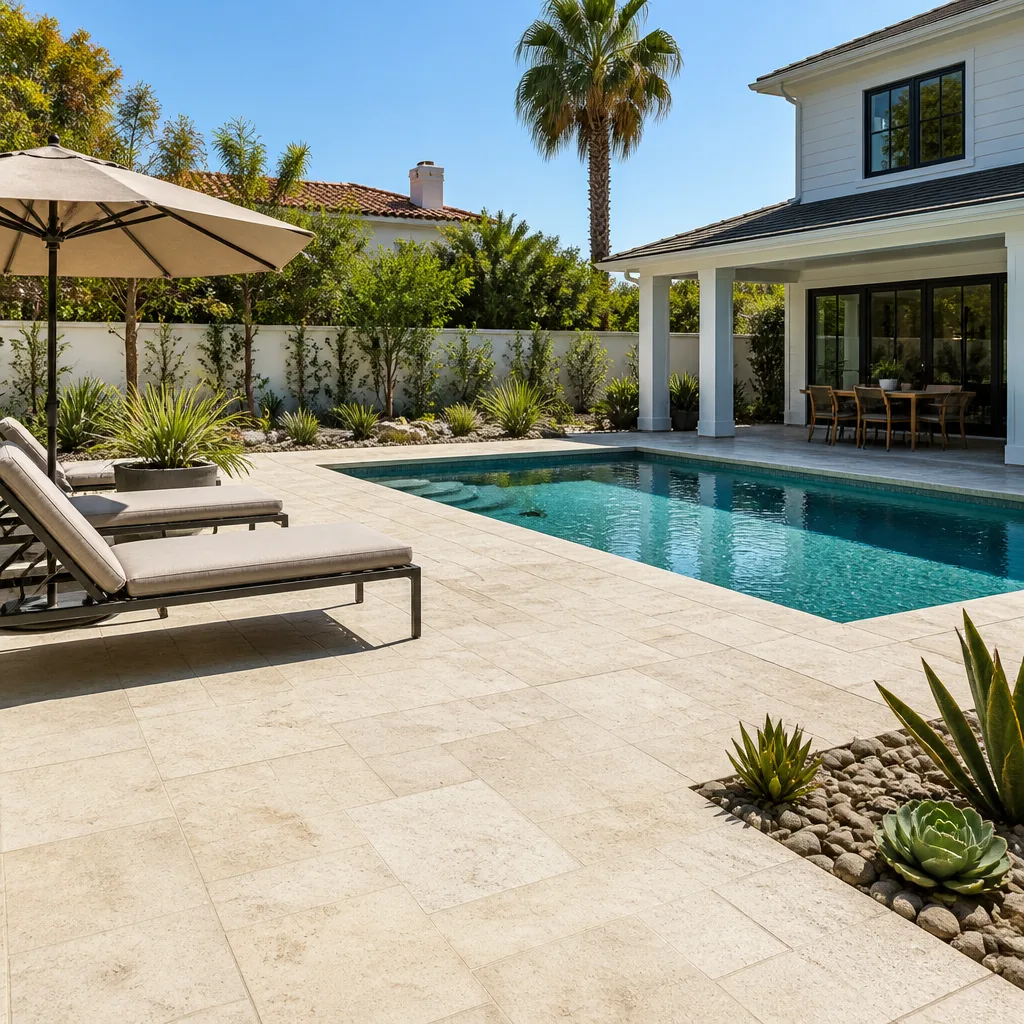
- Driveway & pavers
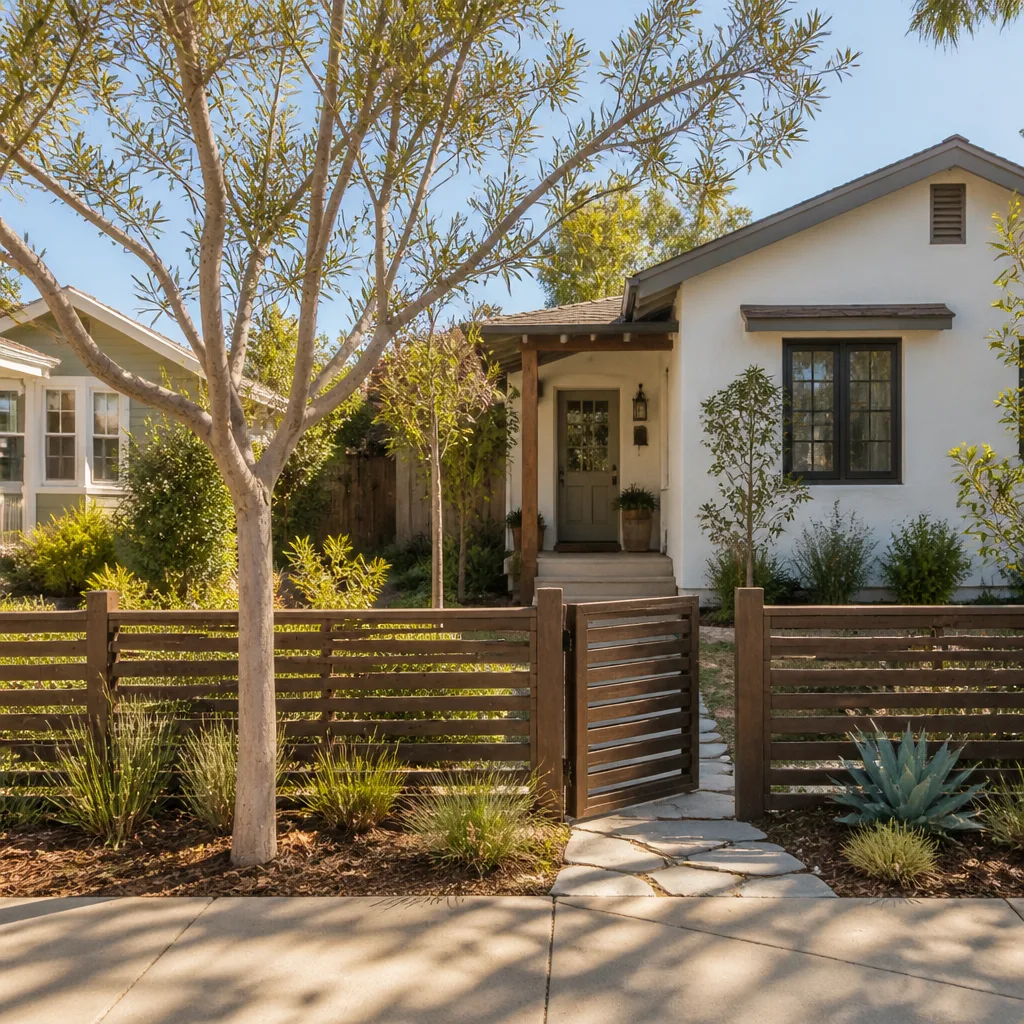
- Fence
Table of Contents
- What Projects Require a Permit in Costa Mesa?
- How Long Does Plan Check Take in Costa Mesa?
- CalGreen Compliance: The Requirement Homeowners Keep Missing
- ADU Permits in Costa Mesa: What State Law Changed
- The Inspection Sequence: What to Expect at Each Stage
- As-Built Permitting for Unpermitted Work
- What Unpermitted Work Costs You at Resale
- Typical Permit and Plan-Check Costs in Costa Mesa
What Projects Require a Permit in Costa Mesa?
Anything that touches the structure, the utility systems, or the safety envelope of a home needs a permit in Costa Mesa. That’s the short version. The longer version matters because the projects homeowners most often skip are the ones inspectors flag first.
Here’s the practical list of what requires a permit in Costa Mesa:
- Structural work of any kind, including new walls, beam replacements, and anything that alters a load path.
- Additions and second-story work, including bump-outs and room conversions.
- ADUs and JADUs, whether site-built or prefab.
- Re-roofing, including tear-offs and overlays. This one surprises people. A full re-roof over an existing assembly almost always triggers a permit and an inspection of the underlayment and flashing details.
- Window and door replacement when the opening size changes, when egress is affected, or when the units are being replaced as part of a larger permitted scope. Like-for-like swaps sometimes qualify for a simplified path, but confirm with the building department before you order materials.
- Electrical panel upgrades and service changes, plus any new circuits for a kitchen or bath.
- Plumbing relocations, gas line work, and water heater replacement.
- Kitchen and bathroom remodels that move fixtures, add circuits, or change ventilation.
- Fences over a certain height, retaining walls, and hardscape that alters drainage or grading. Fence height rules in Costa Mesa depend on where the fence sits relative to the property line and the street, so check before you build. When you’re ready, our fence installation work is scoped to whatever the city requires.
- Driveway replacements and paver work that changes the impervious surface or drainage pattern. Our driveway & pavers projects start with a conversation about what the city will want to see.
What typically does not need a permit: painting, flooring replacement over an existing subfloor, cabinet refacing that doesn’t move plumbing or electrical, and cosmetic finishes. When you’re unsure, the safe move is to call the building department and describe the scope in plain terms. It takes five minutes and can save five figures.
How Long Does Plan Check Take in Costa Mesa?
Costa Mesa runs three plan-check tracks, and the one your project lands in depends almost entirely on complexity. Understanding the difference before you submit keeps you from budgeting the wrong timeline.
Over-the-counter review
Simple projects get reviewed while you wait at the counter. Think water heater replacements, panel swaps of the same amperage, and minor like-for-like work. If the drawings are clean and the scope is narrow, over-the-counter is the fastest path. The catch is that over-the-counter is only available for work that genuinely fits the category. Show up with a set of plans for an addition and you’ll be redirected.
Standard review
Standard review is the default for anything with real scope: additions, structural alterations, kitchen and bath remodels that move walls or utilities, and most ADUs. Standard review typically runs several weeks for a first pass, and each round of corrections adds time. The quality of your submitted plans determines whether you go through one round or three. Complete drawings, accurate structural calculations, and a clear scope narrative shorten the process more than any phone call to the city will.
Expedited review
Expedited review exists for projects that meet specific criteria and pay the corresponding fee. It buys you a faster review cycle, not a faster inspection sequence, so it’s most useful when your schedule is genuinely tight. Ask the building department whether your project qualifies before you assume it does.
In our experience, the timeline homeowners underestimate is the corrections cycle. A plan set that comes back with red marks doesn’t just cost a week. It costs the week plus the resubmittal queue. Getting the drawings right the first time is the single biggest lever on plan-check speed in Costa Mesa.
CalGreen Compliance: The Requirement Homeowners Keep Missing
CalGreen is California’s green building code, and it applies to residential remodels once the project valuation crosses certain thresholds. This is the requirement that quietly adds line items to a kitchen or bath budget, and it’s the one homeowners most often don’t plan for.
Broadly, CalGreen residential provisions can touch:
- Water-efficient fixtures in kitchens and baths, which you’ll want anyway if you’re specifying Kohler, Grohe, or Toto fixtures. Our construction in Costa Mesa work is specified with fixtures that meet current efficiency standards out of the gate.
- Construction waste diversion, which means your contractor needs a plan for hauling and separating demolition debris.
- Indoor air quality measures, including low-VOC finishes and proper ventilation in kitchens and baths.
- Waterproofing and moisture management at wet areas, which lines up with the Schluter systems we specify in bath and shower assemblies.
The valuation threshold matters. A smaller cosmetic refresh may fall below the trigger; a full kitchen remodel with new cabinetry from KraftMaid or Wellborn and Cambria or Silestone counters usually doesn’t. Get the valuation question answered at the permit counter before you finalize the scope, because CalGreen compliance affects the material schedule and the demolition plan, not just the paperwork.
One more note: CalGreen is not optional, and it isn’t something a contractor can wave away. If your contractor hasn’t mentioned it on a project above the threshold, that’s worth a direct question.
ADU Permits in Costa Mesa: What State Law Changed
California’s post-2020 ADU legislation reshaped what cities can and can’t require. Costa Mesa applies those rules, and the result is more flexibility than most homeowners expect, with a few Costa Mesa-specific details that matter.
What state law changed
The state framework limited how cities can restrict ADUs, required approvals for qualifying projects, and set parameters around parking and owner-occupancy. Local zoning still governs setbacks, height, and lot coverage, and those are the numbers that determine whether your ADU fits.
Setbacks and site constraints
Setback requirements depend on where the ADU sits on the lot and what it abuts. A detached unit in the rear yard has a different footprint conversation than a conversion of an existing garage. In Costa Mesa’s older residential neighborhoods, the limiting factor is often the existing garage location and the alley access rather than the zoning code itself.
Owner-occupancy considerations
Owner-occupancy rules have shifted at the state level, and how they apply to your specific project depends on timing and the permit type. Ask the building department to confirm the current requirement for your submission rather than relying on what a neighbor did two years ago.
Site-built versus prefab
Costa Mesa permits both paths. A site-built addition goes through standard plan check with full architectural and structural drawings. A prefab or modular unit comes with its own approval documentation from the manufacturer, but it still needs a local permit for the foundation, utilities, and siting. We work with both routes through our home additions & ADU scope, including prefab partners like Abodu, Dvele, Mighty Buildings, Boxabl, and Plant Prefab. Which path makes sense depends on your lot, your timeline, and how much design flexibility you want.
The Inspection Sequence: What to Expect at Each Stage
Inspections follow the work, not the calendar. Miss a stage and you may be asked to open a finished wall, which is exactly the outcome everyone wants to avoid. Here’s the sequence most residential projects follow in Costa Mesa:
- Pre-construction and site inspection. For additions and ADUs, this covers grading, excavation, and foundation formwork before concrete goes in.
- Foundation and framing. The inspector verifies the foundation, then the framing, sheathing, and structural connections before insulation or drywall closes things up.
- Rough-in inspections. Electrical, plumbing, and mechanical rough-in are inspected before any wall covering goes on. For a kitchen or bath, this is the stage where moved fixtures and new circuits get signed off.
- Insulation and drywall. Insulation is inspected before drywall. CalGreen-related items are often checked here too.
- Final inspection. Fixtures, finishes, and life-safety items are verified. In kitchens, that means ventilation and appliance connections. In baths, it means waterproofing and drainage as built.
Roofing has its own shorter sequence: an underlayment and flashing inspection before the finish layer goes on, followed by a final. For roofing systems, our approach is to match the full assembly to one manufacturer’s specifications so the warranty holds – GAF, CertainTeed, or Owens Corning, for example – rather than mixing brands and losing the system warranty. That detail matters at final inspection, because inspectors check the assembly as installed, not just the shingle.
As-Built Permitting for Unpermitted Work
As-built permitting is the process of getting a permit after the work already exists. It’s more involved than a standard permit because the city has to verify what’s there, not review what you plan to build.
The process typically runs like this:
- Pre-application consultation. You describe the existing work to the building department and find out what documentation they’ll accept.
- As-built drawings. A designer or architect documents the existing conditions accurately, including framing, electrical, plumbing, and dimensions.
- Plan check. The drawings go through review, and the city identifies what, if anything, needs to be brought up to current code.
- Inspection sequence. Depending on the work, the inspector may require opening walls or trenches to verify conditions. Non-compliant work gets corrected and re-inspected.
- Final sign-off. Once the work is verified and compliant, the city issues the final and updates the record.
Cost range depends heavily on how much has to be opened up and corrected. A straightforward garage conversion with clean, code-compliant work might move through relatively smoothly. A structural addition that was never engineered can require significant remediation, including structural upgrades and new drawings. Treat the as-built process as a real project with a real budget, not a paperwork errand.
Before listing or during escrow?
Before listing is almost always better. You control the timeline, you have time to correct problems, and you avoid the situation where a buyer’s lender flags the discrepancy and the deal collapses. During escrow, you’re negotiating from a position of pressure, and buyers know it. If the unpermitted work is minor and clearly compliant, the conversation may be short. If it’s structural, start before you list.
What Unpermitted Work Costs You at Resale
Orange County title searches are thorough. When the recorded square footage doesn’t match the assessor’s record or the visible structure, it shows up. Lenders won’t finance a home where the appraiser can’t support the square footage, and appraisers can’t support square footage that isn’t permitted.
The practical consequences at resale:
- Buyers ask for credits or walk away when unpermitted work surfaces during due diligence.
- Appraisals come in low because the extra square footage isn’t counted.
- Insurance carriers may decline to cover unpermitted structures, which complicates financing.
- Disclosure obligations mean you’re explaining the situation whether you want to or not.
The cleanest path is to permit work as it happens. If you’ve inherited unpermitted work in a Costa Mesa home, the as-built process is the way out, and starting it early gives you options that starting it late doesn’t.
Typical Permit and Plan-Check Costs in Costa Mesa
Permit fees in Costa Mesa are set by the city and scale with project valuation and scope, so the ranges below are typical estimates to help you budget, not quotes. The written estimate from your contractor sets project pricing; the city sets the permit fees.
- Minor permits (water heater, panel swap, like-for-like window replacement): often a few hundred dollars.
- Kitchen or bath remodel permits: typically several hundred to low four figures, depending on valuation and whether walls move.
- Re-roof permits: typically a few hundred to low four figures, scaling with roof area and assembly.
- Additions and ADUs: plan-check and permit fees typically run into the low-to-mid four figures, with expedited review adding more.
- As-built permitting: plan-check and permit fees plus the cost of documentation and any required corrections, which varies widely with the condition of the existing work.
The number homeowners forget to budget is the cost of doing it twice. A permit pulled at the start costs far less than an as-built process after the fact. When you’re planning a significant project in Costa Mesa, the free estimate we provide includes the permit path so you’re not surprised mid-project.
Common Mistakes to Avoid
- Assuming re-roofing is exempt. It isn’t in Costa Mesa. A permit and an underlayment inspection protect the system warranty, and skipping it can void coverage on a manufacturer’s assembly.
- Replacing windows without checking the permit threshold. Like-for-like swaps sometimes get a simplified path, but size changes and egress changes always trigger review. Ask before you order.
- Budgeting a kitchen or bath without CalGreen. Once the valuation crosses the threshold, water efficiency, waste diversion, and indoor air quality requirements enter the scope. That affects fixtures, finishes, and demolition planning.
- Treating ADU setbacks as a formality. State law loosened many restrictions, but local setbacks and lot coverage still govern whether your unit fits. Confirm the numbers on your lot before you commit to a design.
- Submitting incomplete drawings to speed things up. It backfires. A clean plan set saves more time than any expedited fee.
- Waiting until escrow to address unpermitted work. You lose negotiating leverage and, often, the sale. Start the as-built process before you list.
- Assuming a contractor’s word settles the code question. Codes change and local interpretations change with them. A quick call to the Costa Mesa building department confirms the current requirement.
See the difference
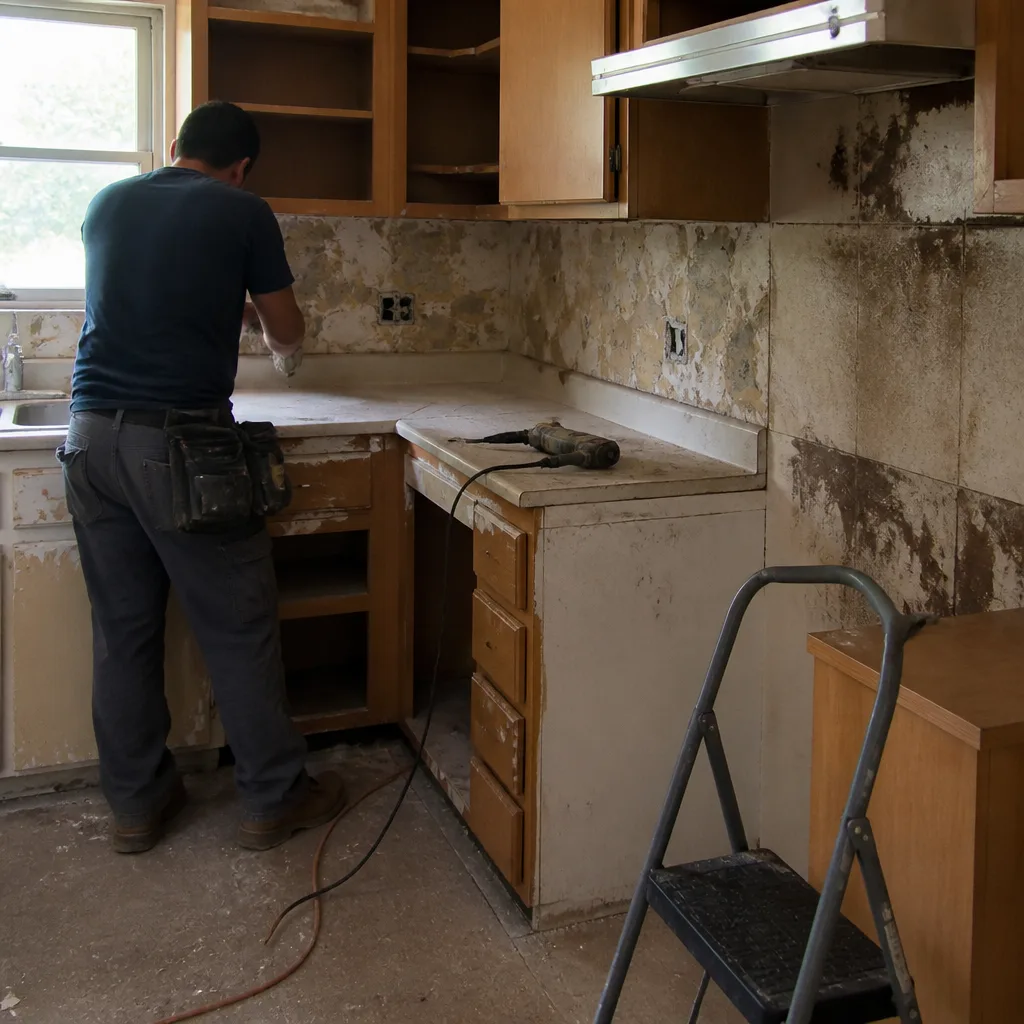 Before
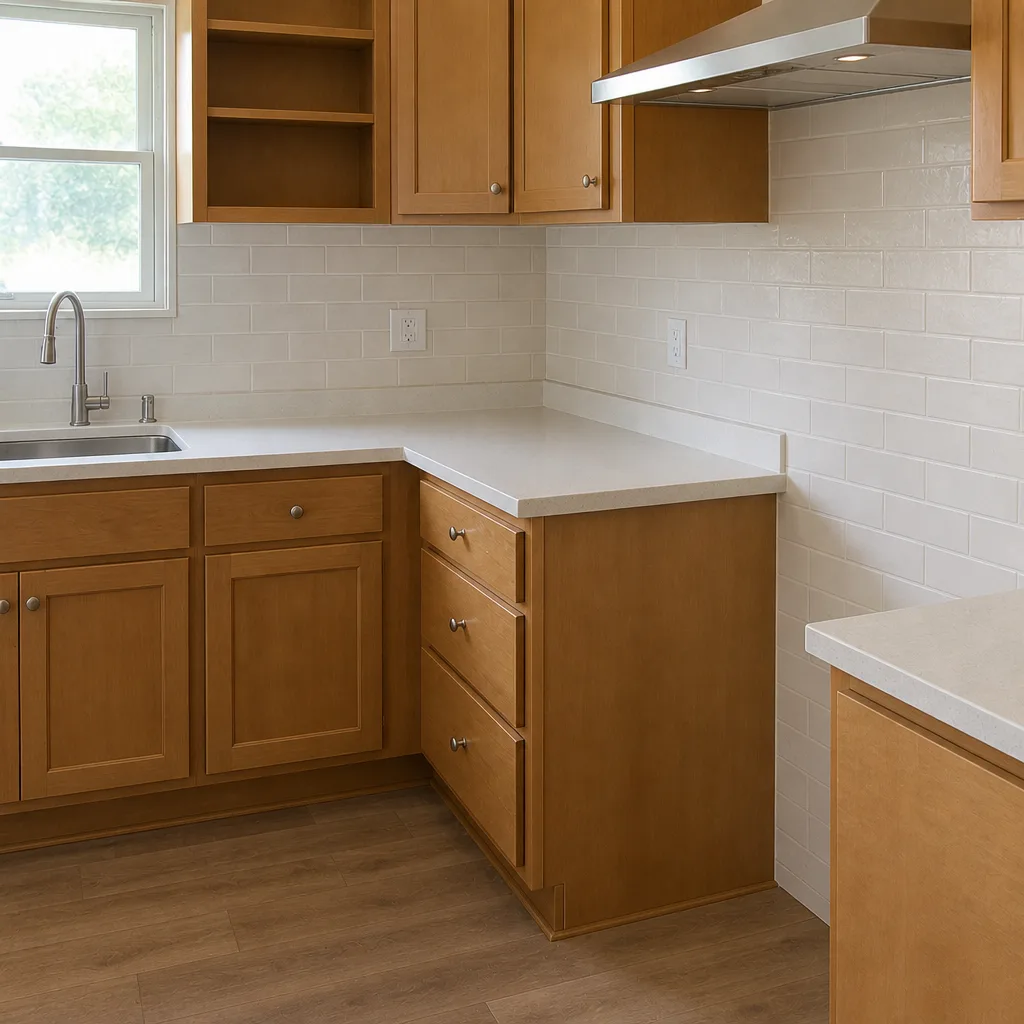 After
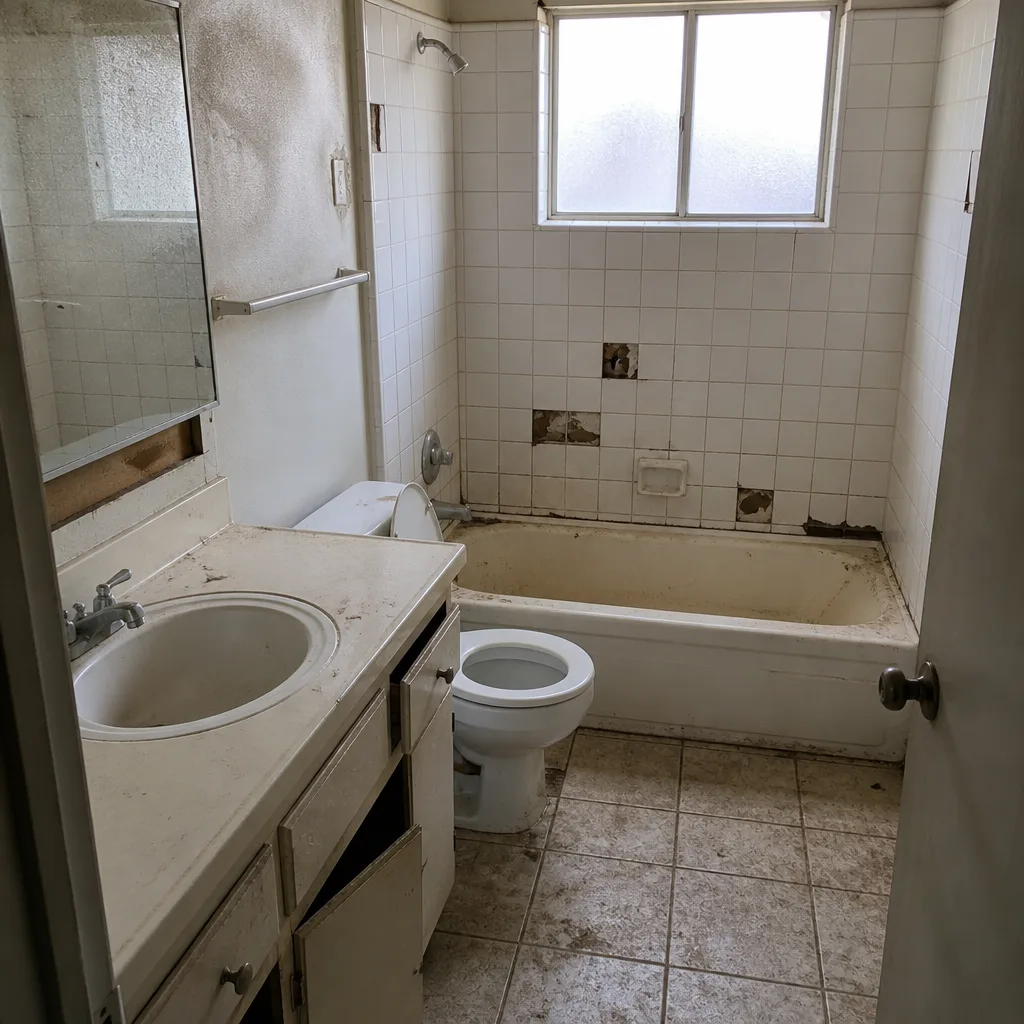 Before
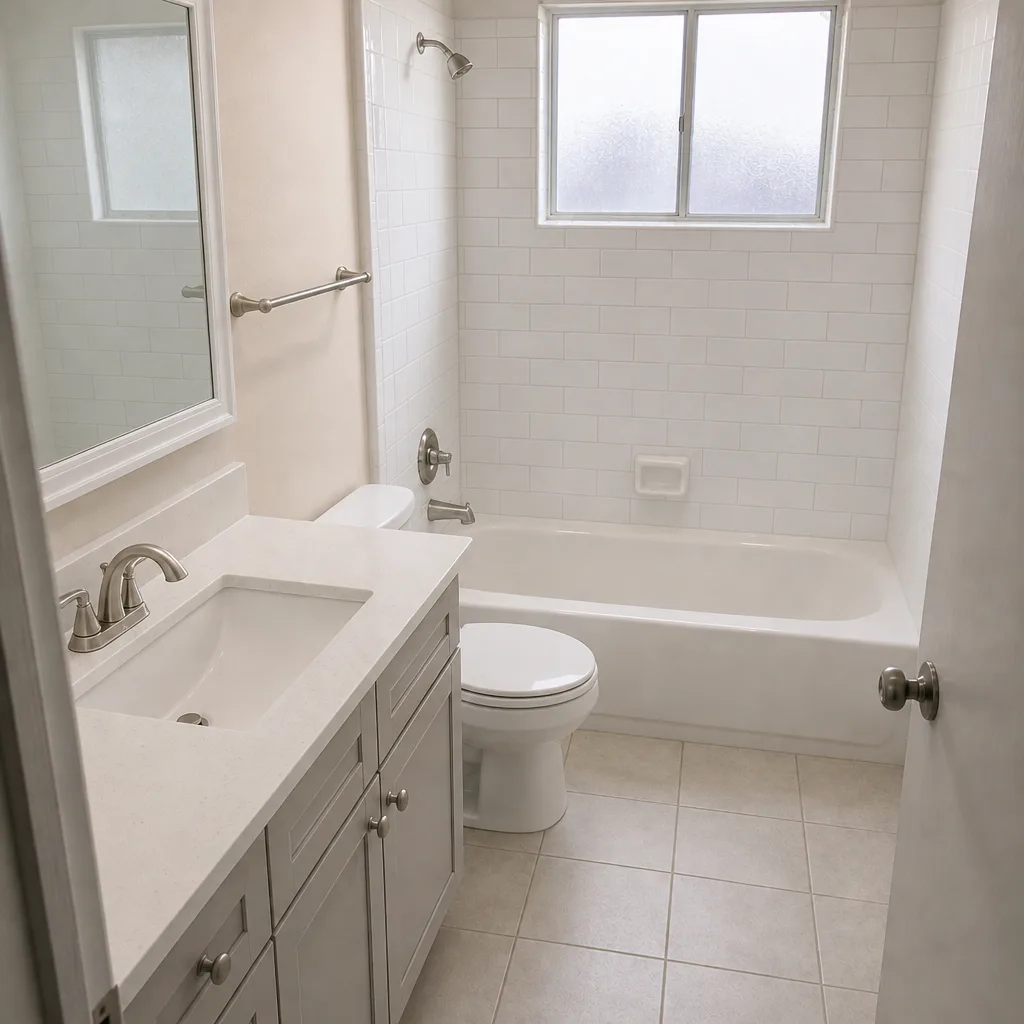 After
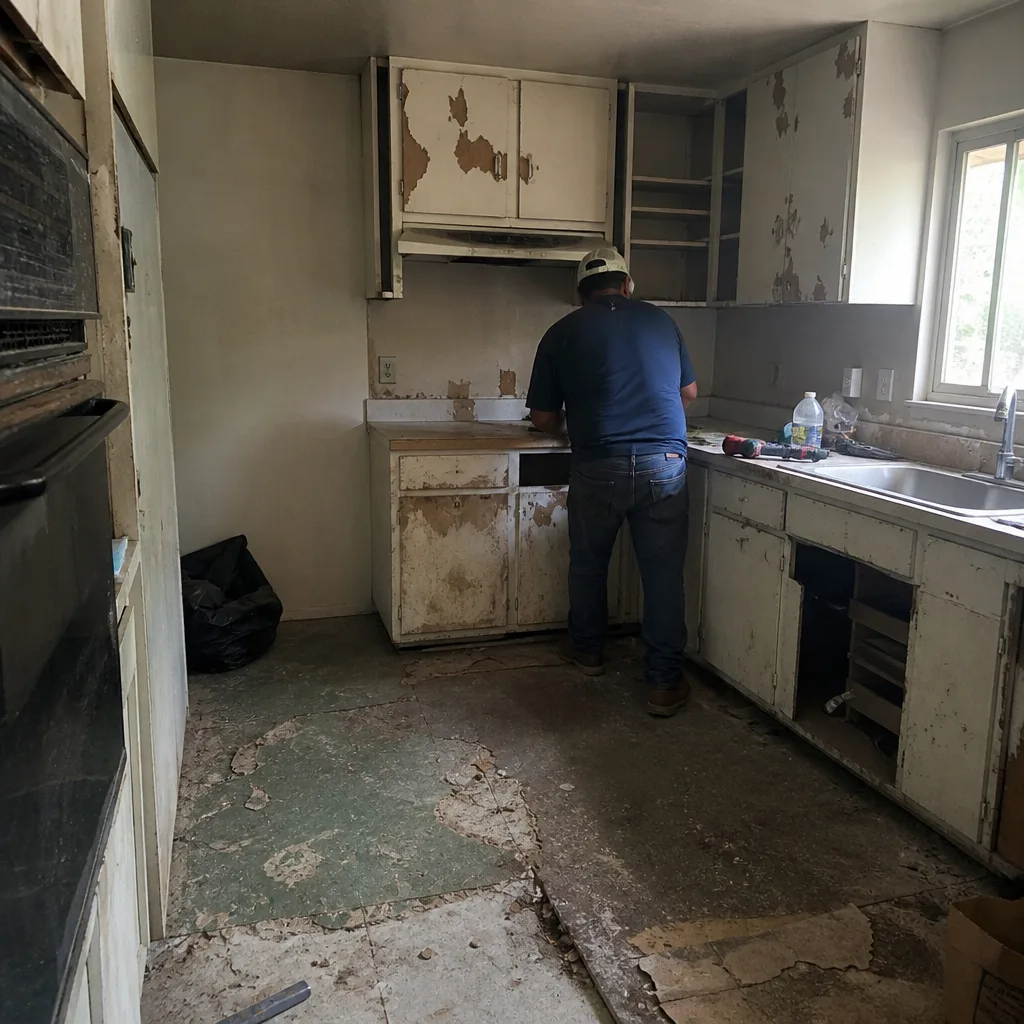 Before
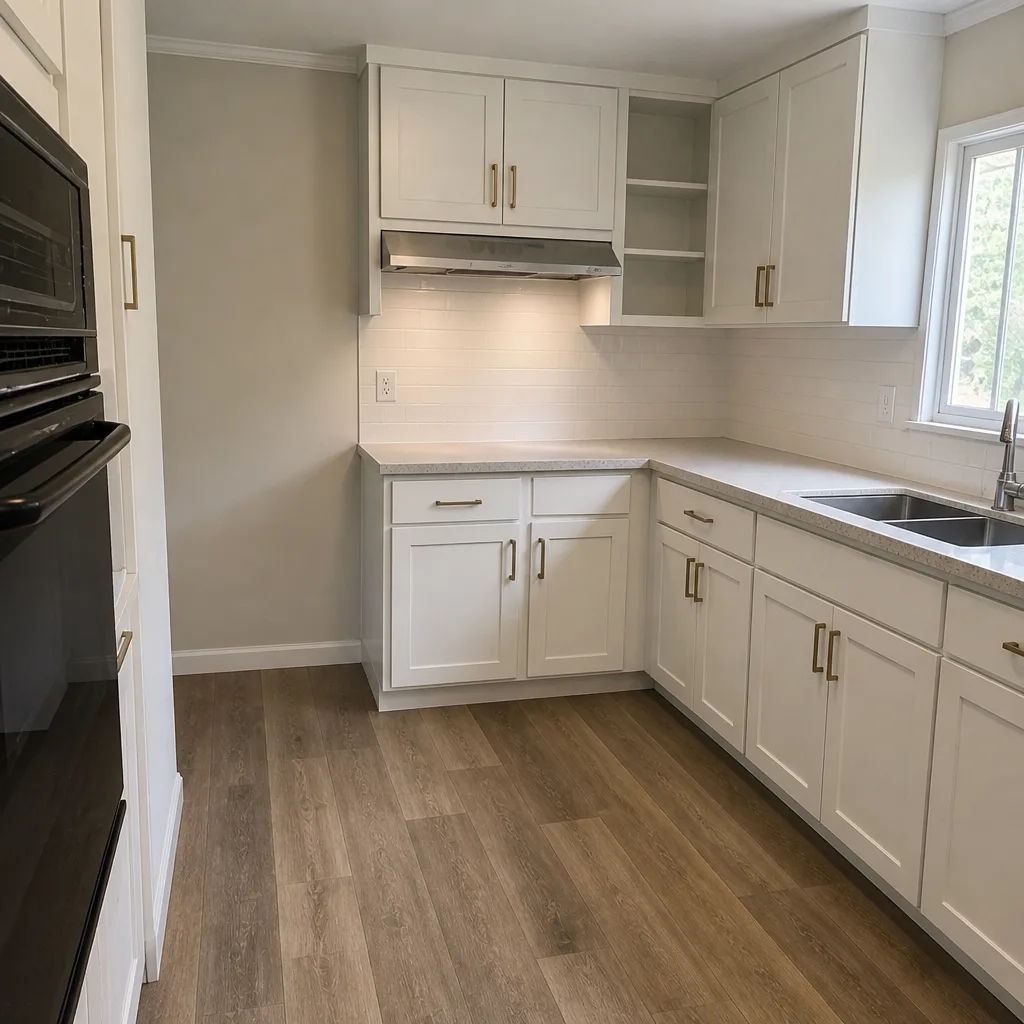 After
When to Call a Professional
Some permit questions you can answer with a phone call to the city. Others need a contractor who has been through the process on the same kind of project. Call us when your scope involves structural changes, a full kitchen or bath remodel with moved utilities, an addition, an ADU, a full re-roof, or unpermitted work you need to bring into compliance. Those are the projects where a mistake in the permit path turns into a much larger cost later, and where having one contractor manage both the permit scope and the build keeps the two aligned.
Construction Costa Mesa offers free estimates in Costa Mesa. Call (855) 506-4558. We answer 24/7. Fast dispatch from 7am to 7pm, Sunday through Friday. Our technicians have up to 11 years of experience, and the written estimate you receive spells out the permit path along with the material schedule and installation scope.
Frequently Asked Questions
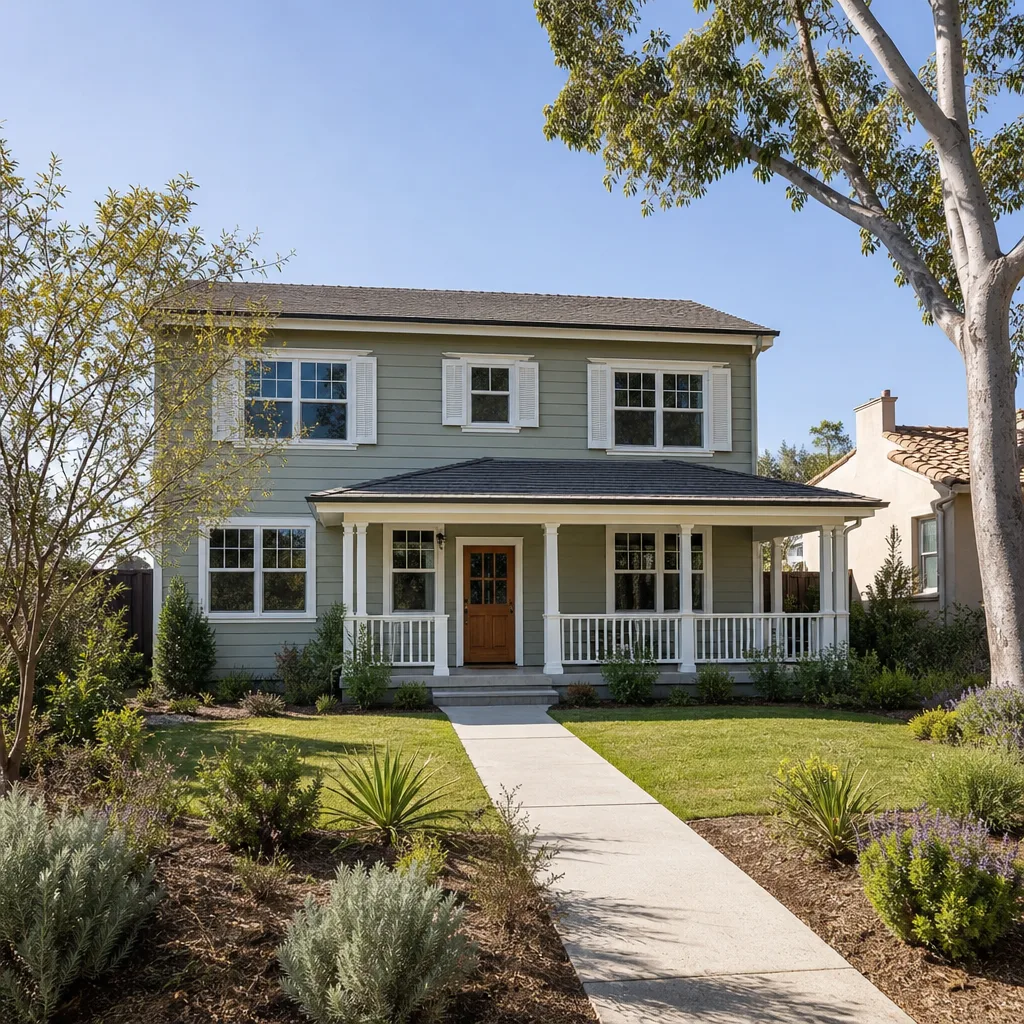
Yes. Re-roofing requires a permit in Costa Mesa, including tear-offs and overlays, and the work includes an inspection of the underlayment and flashing before the finish layer goes on. Skipping the permit is a common shortcut that can void a roofing system warranty and complicate a future sale. Call (855) 506-4558 for an exact quote on your re-roof – estimates are free.
Over-the-counter permits can be issued during a single visit for simple work, standard review typically takes several weeks for a first pass on additions and remodels, and expedited review shortens the cycle for qualifying projects. Each round of corrections adds time, so complete drawings are the biggest savings. Call (855) 506-4558 to talk through your scope – estimates are free.
Often yes. CalGreen applies to residential remodels once project valuation crosses the city’s threshold, which a full kitchen remodel with new cabinetry and counters usually does. It brings in water efficiency, waste diversion, and indoor air quality requirements that affect your material schedule. Call (855) 506-4558 for an exact quote – estimates are free.
In most cases yes, subject to local setbacks, height, and lot coverage rules. California’s post-2020 ADU legislation gave homeowners more flexibility, and Costa Mesa permits both site-built and prefab units. Confirm the numbers on your specific lot before finalizing a design. Call (855) 506-4558 to review your options – estimates are free.
The city requires you to go through the as-built permitting process, which documents existing conditions, runs them through plan check, and requires inspection and correction of non-compliant work. It’s a real project with a real budget, and doing it before you list is far better than during escrow. Call (855) 506-4558 to scope the work – estimates are free.
It can. Orange County title searches flag discrepancies between recorded and visible square footage, and lenders typically won’t finance a home where the appraiser can’t support the square footage. Buyers often demand credits or walk away. Resolving the permit issue before you list keeps the deal together.
Yes. Every project we build in Costa Mesa is permitted and inspected, and the permit path is included in the written estimate so you know what’s coming. Call (855) 506-4558 to schedule your free estimate.
No. The written estimate sets the price, and the scope is fixed before work begins. City permit fees are separate and set by the city. Call (855) 506-4558 for an exact quote – estimates are free.
The Bottom Line
The permitting path in Costa Mesa is manageable when it’s planned for and expensive when it’s ignored. Re-roofs, window replacements, electrical upgrades, and the remodels we build every day all require permits. CalGreen compliance enters a kitchen or bath budget once valuation crosses the threshold. ADUs are more workable than most homeowners expect, but setbacks and lot coverage still decide what fits. And unpermitted work doesn’t disappear – it surfaces at title search and costs you at resale. Pull permits up front, get the drawings right, and if you inherit unpermitted work, start the as-built process before you list. That’s the whole playbook.
Written by the team at Construction Costa Mesa.