
Last updated November 18, 2026







Free written scope consultation - allowances, timeline, and change-order rules on paper before a single trade is scheduled
Construction Warning Signs: A Costa Mesa Homeowner’s Reference Guide
A hairline crack in your Costa Mesa stucco isn’t cosmetic. It’s the exterior envelope telling you moisture is already inside the wall system, and the real question is how long it’s been there. Most warning-sign guides point you at the obvious stuff: a sagging roofline, a wet ceiling stain, a door that won’t latch. Those are late-stage symptoms, and by the time they show up, the repair has usually moved from a few hundred dollars of patch work to a structural line item. This guide goes earlier. We walk you through the quiet, dismissible signals our technicians look for in Costa Mesa’s particular housing stock – the stucco, the clay soil, the older concrete, the marine-layer mornings – and give you a simple triage system for deciding what to monitor and what to fix before it turns into an emergency.
Quick Answer
The most important construction warning signs in Costa Mesa are early-stage rather than obvious: horizontal stucco cracks at the foundation line, granule loss collecting in gutters, hardscape joints losing sand and back-pitching toward the house, and interior paint bubbling at window corners. These signal a failing envelope or subgrade long before you see a wet ceiling or a sagging roof, and catching them early is what separates a small repair from a major one.
Styles & brands we work with
- Kitchen remodeling
- Bathroom remodeling
- Home additions & ADU
- Roofing
- Windows & doors
- Driveway & pavers
- Fence
Table of Contents
- Stucco Cracks: Reading What Your Walls Are Telling You
- Roof Warning Signs You Can See From the Ground
- Driveway and Hardscape Signals of Subgrade Failure
- Interior Signs That Trace Back to the Exterior
- Windows and Doors: When Sticking Is More Than Humidity
- The Triage Framework: Monitor, Call, or Stop Using the Space
- Common Mistakes to Avoid
- When to Call a Professional
Stucco Cracks: Reading What Your Walls Are Telling You
Stucco is the dominant exterior finish on Costa Mesa homes, and it’s also the surface that speaks the loudest when something’s wrong. The trick is knowing which cracks are normal and which are a message. Not every line in the stucco means trouble, but the direction, location, and width of a crack will tell you exactly what category you’re dealing with.
Shrinkage cracks are the harmless ones. They appear as thin hairline lines, often in a web or map pattern, usually within the first year or two after stucco is applied, and they don’t widen over time. These are the stucco curing and drying, and they’re expected. Filling them is cosmetic housekeeping, nothing more.
Diagonal cracks that run from the corners of windows or doors are a different story. When you see a crack angling up and away from a window’s top corner, or down from a door frame, that’s the stucco following movement in the frame. Frames shift for several reasons – settling, water intrusion that swells the wood, or a header that was never sized right – and the crack is simply the exterior skin reporting the movement. A single short diagonal crack can be monitored; a growing one, or one that appears at multiple openings, points to structural movement that needs a real look.
Horizontal cracks at the foundation line are the ones we worry about most. A crack running parallel to the ground, right where the stucco meets the foundation, often indicates soil pressure pushing against the wall, or a foundation that’s shifting. In Costa Mesa’s clay-heavy soil, that kind of movement is more common than homeowners expect, especially after a wet season followed by a dry one. Our technicians have up to 11 years of experience reading exactly these patterns, and the rule they apply is simple: horizontal at the base is the crack that gets a call.
If any of these cracks are accompanied by soft, crumbly stucco, a hollow sound when tapped, or staining that runs down the wall, assume moisture is already behind the finish. That’s the point where a repair becomes an inspection.
Roof Warning Signs You Can See From the Ground
You don’t need a ladder to catch most roof problems early. The best inspection is a slow walk around the perimeter of the house with your eyes on the roof edge, the gutters, and the attic. What you’re looking for is evidence of wear that shows up before a leak does.
Granule loss is the first thing to check. Asphalt shingles shed their protective granules over time, and those granules collect in gutters and at downspout outlets. A few granules are normal. A gutter that’s accumulated a thick, sand-like layer of them, or shingle edges that look bare and patchy from the ground, means the shingle surface is aging past its protective layer. That’s your cue to have the roof assessed before the next rainy season, not after.
Flashing is the second. Flashing is the metal that seals the joints where the roof meets a wall, a chimney, a parapet, or a vent. From the ground you can often see flashing that has lifted, pulled away, or lost its sealant. On Costa Mesa homes with parapet walls, flashing at the parapet is a frequent failure point because it takes the brunt of wind-driven rain. Any visible lift there is worth a closer look.
Then there’s the attic test. On a sunny day, climb into the attic and look up at the ridge vent and the roof deck. You should see no daylight. Pinpoints of light at the ridge, at vents, or along the decking mean there’s a gap where water can follow. It takes two minutes, and it catches problems early.
Other ground-level signs to note:
- Sagging or dipping along the roofline, which points to decking or framing issues.
- Curling, lifting, or missing shingles, especially on the south and west-facing slopes.
- Rust streaks or dark staining on the roof surface or fascia.
- Gutter sections pulling away from the fascia, which often means the wood behind them is soft.
Roof systems are only as good as their installation, which is why we specify system-matched assemblies from manufacturers like GAF, CertainTeed, and Owens Corning rather than mixing brands and voiding the warranty coverage. Built to the brand’s standard, not just the minimum code, is the standard we hold to on Construction Costa Mesa roofing work.
Driveway and Hardscape Signals of Subgrade Failure
Concrete and pavers fail from the bottom up. The surface is just the messenger. In Costa Mesa, the message usually involves clay soil and water, and the fix always starts below the surface, which is why catching the early signs matters so much.
Edge heave is one of the clearest. Walk your driveway and look at where the slab or pavers meet the soil, the lawn, or the garage apron. If the edges are lifting or the concrete is tilting up at the perimeter, the subgrade underneath is moving – swelling clay, poor drainage, or a base that was never compacted properly. On pavers, edge heave often shows as the border row rising above the field.
Joint sand loss is the paver-specific signal. Polymeric or regular joint sand is what locks pavers together and keeps water from running between them. When sand is washing out or settling consistently in the same runs, water is moving through the joints in a pattern, and that pattern usually points to a drainage problem beneath. Refilling the sand without investigating why it’s leaving only postpones the problem.
Back-pitch is the one that costs the most to ignore. A driveway or patio should slope away from the house. If you can see water pooling against the garage door threshold or the base of a wall after rain, or if a level laid on the surface shows water running toward the structure, the hardscape is pitched wrong. Over time, that water works against the foundation. Our driveway & pavers work starts with proper base prep and compaction using proven materials from suppliers like Quikrete and Oldcastle, because a good surface on a bad base is just a slower way to fail.
Interior Signs That Trace Back to the Exterior
Most interior problems that look mysterious are actually exterior problems reporting in. Before you call for drywall repair or repainting, figure out what the interior is telling you about the outside.
Paint bubbling at window corners is a moisture signal. When paint or a painted surface bubbles or blisters near a window frame, water is getting behind the paint film, usually from a failed caulk joint, a gap in the flashing above the window, or a cracked stucco reveal. The window itself may be fine; the seal around it is the issue.
Drywall nail pops near exterior walls are a movement signal. When the drywall nails or screws in a wall pop through and create small bumps, it means the framing has moved relative to the drywall. A few pops on an interior wall can be normal settling. A cluster of them along an exterior wall, especially near windows or at the top plate, suggests the exterior wall is moving – often from framing moisture or foundation movement. That’s worth tracing back to the stucco and foundation.
A musty odor that appears only on marine-layer mornings is the subtlest and the most revealing. If a room smells musty in the early morning when the air is damp and clears by afternoon, moisture is entering somewhere and staying in the wall or floor assembly. It’s not always a leak in the traditional sense; it may be a flashing gap, a stucco crack, or a poorly sealed vent. But it’s consistent, and once you’ve noticed the pattern, it should go on the list.
When the source traces back to a wall or opening, we typically inspect the full envelope rather than the single spot, since fence installation and hardscape edges often connect to the same grading and drainage issues that cause interior moisture. One contractor reading the whole picture beats three specialists guessing at pieces of it.
Windows and Doors: When Sticking Is More Than Humidity
A door that sticks in the summer and frees up in the winter is common and usually harmless. A window that won’t open at all, or a door whose gap at the top has visibly changed, is different. Movement in the openings of a home is one of the most reliable early indicators of something happening in the structure or the envelope.
Check the reveals – the even gap between a door or window and its frame – every few months. If the gap is even and consistent, you’re fine. If one side has narrowed and the other widened, the frame itself is racking, and that’s a structural movement signal. Look for paired signs: a diagonal stucco crack at the same corner, a new nail pop on the wall inside, or a crack in the interior drywall corner. Two or more together means a call.
Windows that fog between the panes are a separate issue: the sealed glass unit has failed, and the fix is replacement of that unit. Windows that are difficult to operate but show no fog are usually a hardware or alignment issue. Both are worth addressing, since a window that can’t seal tightly costs energy and lets moisture into the frame cavity.
On the replacement side, we work with window and door programs from PGT, CGI, Therma-Tru, ECO Window Systems, and ViewLux, covering impact-rated, energy-efficient, and custom configurations. Selecting the right unit for the opening and installing it correctly – flashing, sealing, and all – is what determines whether the window lasts 30 years or 10.
The Triage Framework: Monitor, Call, or Stop Using the Space
One of the hardest things for a homeowner is knowing what to act on and what to watch. Not every crack needs a contractor this week, but some do. Here’s the framework we use to sort them.
Tier 1: Monitor and document. These are the signs you note and photograph but don’t act on immediately.
- Thin shrinkage cracks in stucco with no widening over months.
- A few granules in the gutter, consistent with normal aging.
- Occasional minor nail pops in drywall away from exterior walls.
- A single short diagonal crack at one window, stable in width.
- One or two pavers slightly uneven but solid underfoot.
Photograph these with a ruler next to them for scale, date the photo, and re-check in 60 days. If the measurement hasn’t changed, keep monitoring. If it has, move to Tier 2.
Tier 2: Call a contractor this week. These are the signs that point to active water intrusion, active movement, or a real risk that’s likely to grow.
- Any horizontal crack at the foundation line.
- Stucco that sounds hollow or feels soft.
- Bubbling paint at a window corner or a musty odor with a consistent pattern.
- Granule loss heavy enough that shingle edges look bare.
- Visible lifted or pulled flashing at a parapet or chimney.
- Water pooling against the house after rain.
- Interior door or window reveals that have visibly changed.
Tier 3: Stop using the space immediately. These are the situations where continued use puts the structure or the occupants at risk.
- A ceiling that’s sagging or visibly bulging.
- A section of stucco that has separated or fallen away, exposing the sheathing.
- An electrical panel that’s hot to the touch, buzzing, or showing scorch marks – stop and call a licensed electrician; this is not a look-closer-later situation.
- Gas smell anywhere near a gas line or appliance; leave the home and call the gas utility first.
- Any structural crack wider than a pencil, or a wall that bulges with visible curvature.
Tier 3 is where safety overrides schedule. Electrical and gas problems are not weekend checks. High-tension springs, gas lines, and live electrical panels are exactly the things a trained professional should handle; we flag them so you can call the right trade fast.
Common Mistakes to Avoid
- Painting over bubbling or blistering paint without finding the source. If you paint over moisture-active paint, it will bubble again within a season, and you’ll have spent the money twice. Trace the water back before you finish the surface.
- Caulking a stucco crack instead of diagnosing it. Caulk on a diagonal crack at a window frame seals the symptom but does nothing about the movement behind it. The crack returns, often wider.
- Refilling paver joint sand without checking for back-pitch. If the pavers are pitched toward the house, refilling the joints is only going to channel more water to the foundation. Check the slope first.
- Treating a musty odor as a ventilation problem. In a Costa Mesa home, a smell that shows up specifically with the marine layer and clears later in the day is usually moisture in a wall assembly, not stale air.
- Replacing a window or door to fix sticking without checking the reveal. If the frame is racking, a new window will also stick. Fix the structural movement first, then replace.
- Ignoring a horizontal foundation-line crack for a year. That’s the one crack in stucco we consistently see homeowners dismiss until it turns into a repair well beyond patching. It deserves a look, not a wait-and-see.
- Assuming a “minor” leak is minor. A slow leak in flashing, stucco, or a window seal can wet an entire wall cavity before it shows as a stain on the inside. If you’ve found one source, look at the adjacent openings too.
When to Call a Professional
Call a professional when the sign you’re seeing touches structure, water intrusion, or a safety system. In practice that means: any horizontal crack at the foundation line; any stucco that has cracked wider than a pencil or is soft to the touch; any interior sign that points to a moisture source you can’t trace; any roofing evidence of granule loss that has progressed to bare shingles; any hardscape pitching toward the house; and any door or window that has lost its reveal gap. Those are the signs that tend to get more expensive the longer they wait. There’s also a category of work where a single contractor reading the whole envelope saves you coordination: when a stucco crack, a roof flashing, and a window frame all trace to one moisture path, sorting out who’s responsible and who fixes what is easier with one set of eyes on the whole thing. That’s exactly what a single-source contractor like home additions & ADU work within one contract gives you – one project team instead of three specialists pointing at each other.
Construction Costa Mesa offers free estimates in Costa Mesa. Call (855) 506-4558. We answer 24/7. Fast dispatch from 7am to 7pm, Sunday through Friday.
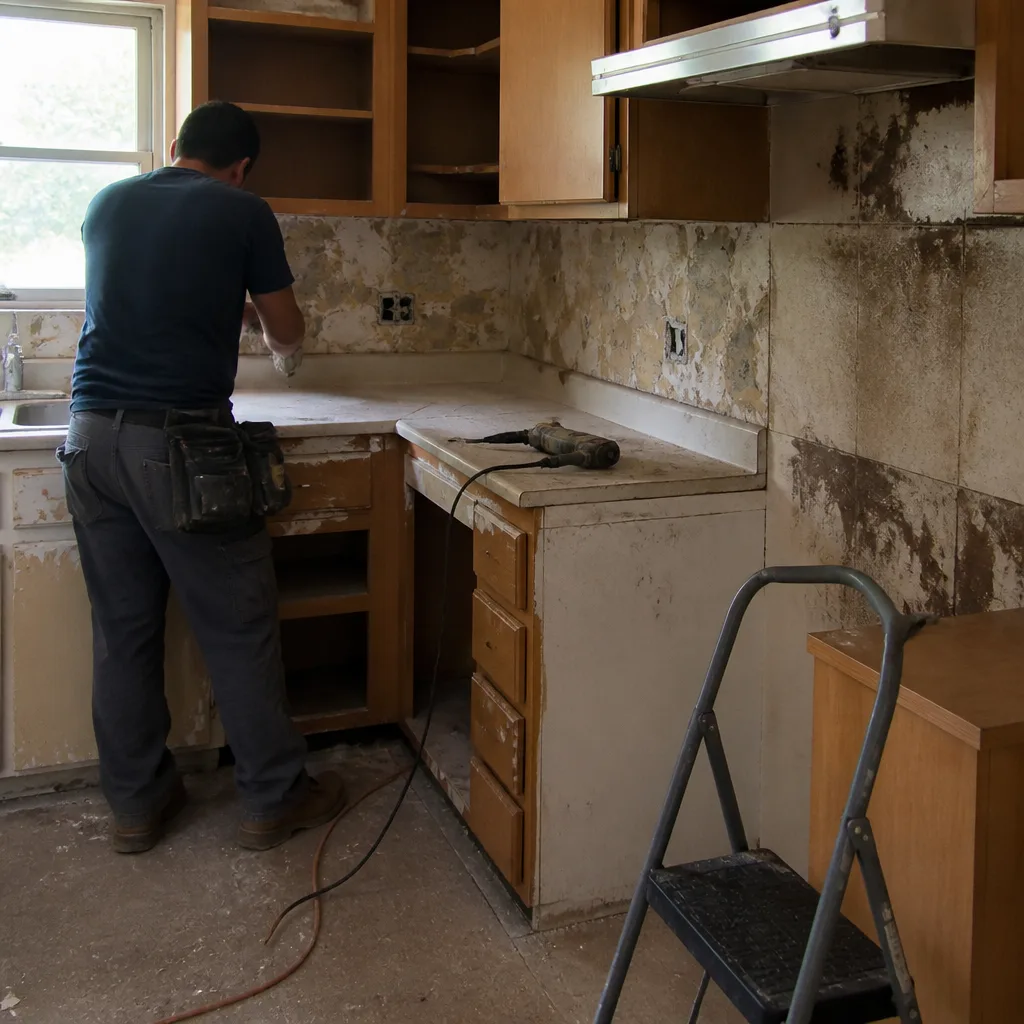
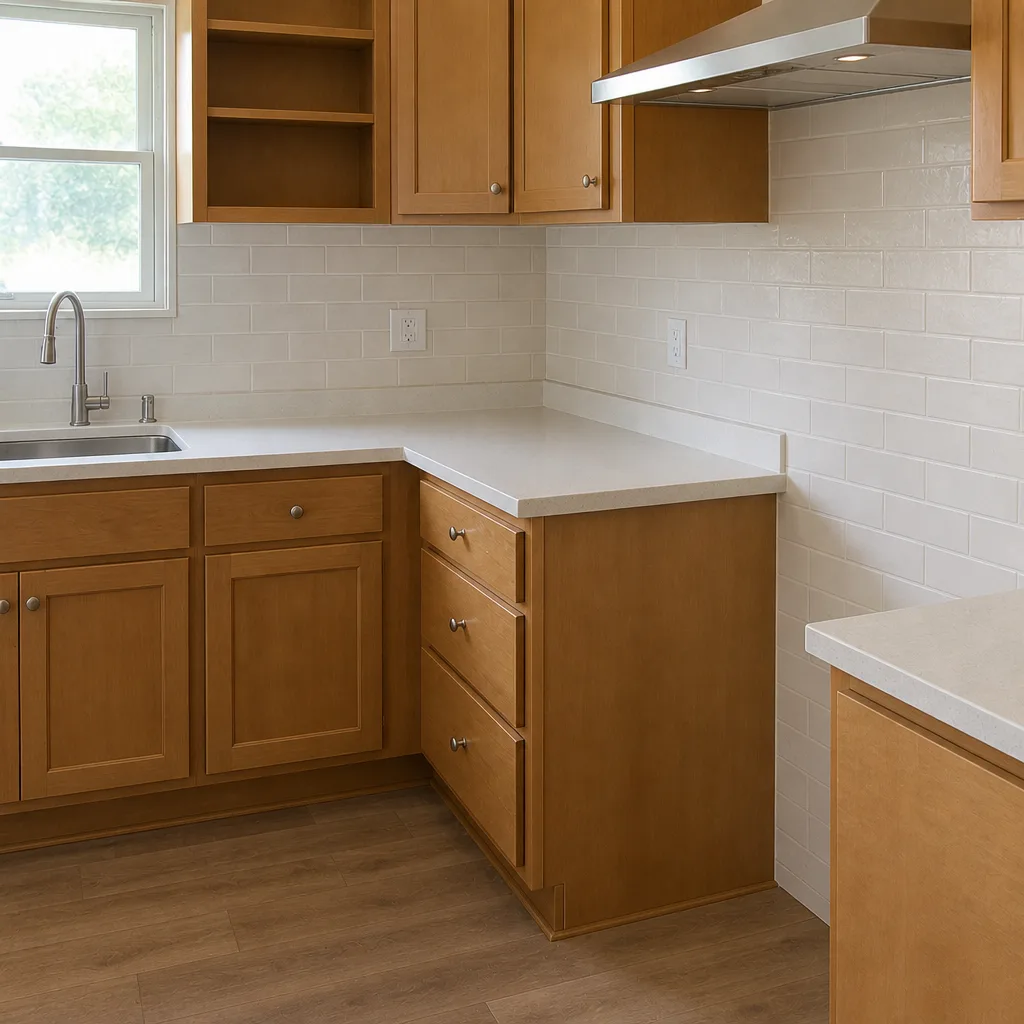
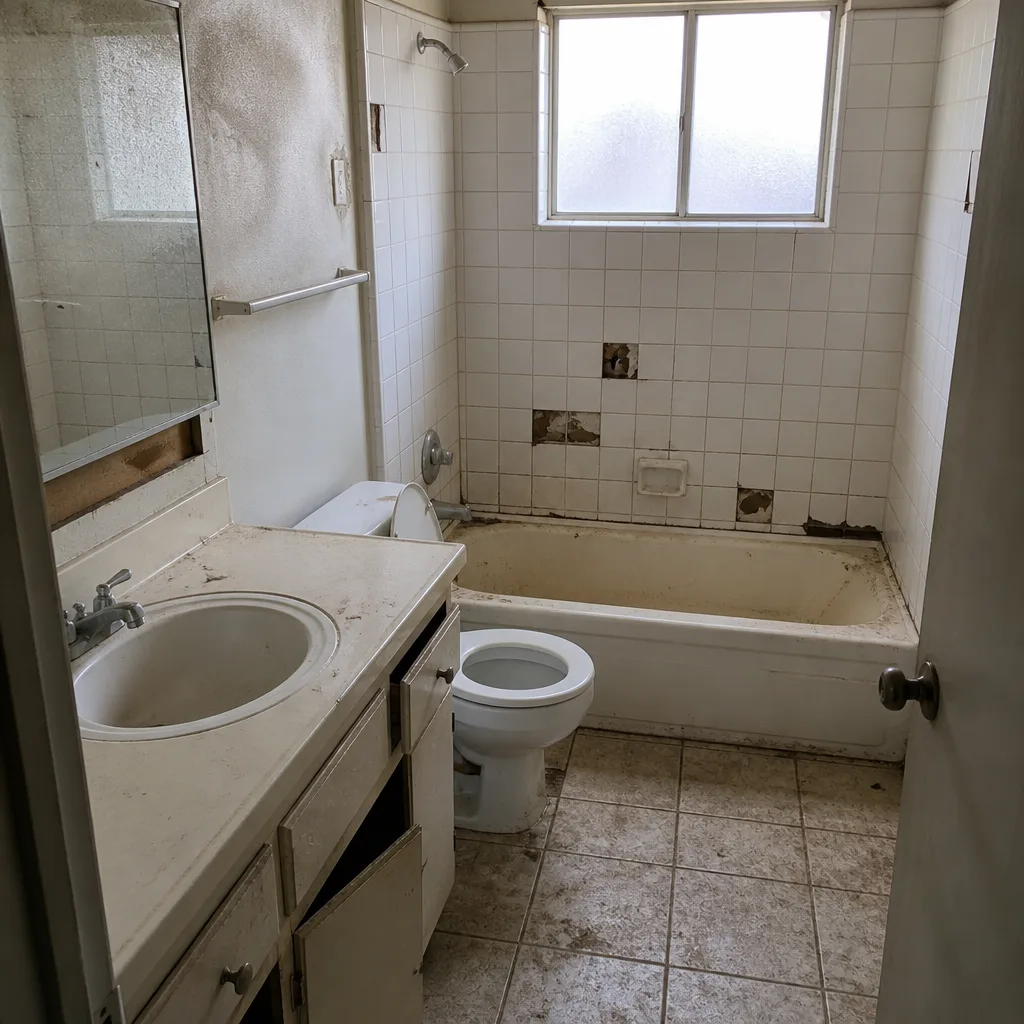
See the difference
 Before
 After
 Before
 After
 Before
 After
Frequently Asked Questions

The most serious common warning sign is a horizontal crack in the stucco at the foundation line. That pattern points to soil pressure or foundation movement rather than surface shrinkage, and it tends to worsen over time. Any horizontal crack at the base of the wall should get a professional look before you patch or paint.
Yes, most hairline cracks are normal shrinkage and are not a sign of failure. The typical harmless crack is thin, in a web or map pattern, and doesn’t widen. What’s not normal is a widening diagonal crack at a window or door corner, or a horizontal crack near the foundation, which point to movement rather than shrinkage.
Look at your gutters and your attic. Heavy granule accumulation in the gutter, bare-looking shingle edges, and visible daylight at the ridge vent or decking from inside the attic are all reliable ground-level or attic-level signs. Any one of those is worth a professional assessment before the rainy season.
A musty smell that appears with the marine layer and clears by afternoon usually points to moisture in a wall or floor assembly. The cool, damp morning air raises the humidity on the interior side of an exterior wall, and any moisture wicking in through a stucco crack, flashing gap, or window seal becomes noticeable. It’s worth tracing rather than masking.
Repeat sand loss in consistent runs usually means water is flowing through those joints because the base beneath is pitched wrong or has settled. Refilling the joints without correcting the slope will only delay the problem. Check for water pooling against the house after rain and have the base assessed.
Diagnosis varies by project, and we set every price per job in a written line-item estimate after a free on-site evaluation. There’s no service-call fee to get that estimate. Call (855) 506-4558. We answer 24/7. Fast dispatch from 7am to 7pm, Sunday through Friday.
A sagging or bulging ceiling, a section of stucco that has separated and exposed the sheathing, or any sign near an electrical panel or gas line is a stop-and-call situation. For electrical and gas issues, call the appropriate licensed trade first. For stucco separation or a structural crack wider than a pencil, call us.
Yes. We handle the exterior envelope and the interior surfaces in one contract: stucco repair, roofing, windows and doors, and the drywall, cabinetry, and fixtures inside. That means one estimate, one schedule, and no coordination between trades handing off blame.
The Bottom Line
The signs that save you the most money are almost never the obvious ones. They’re the horizontal stucco crack at the foundation, the granule loss in the gutter, the sand washing out of one repeated paver run, the musty smell that shows up only on a damp morning. Those are the early-stage signals, and catching them is what keeps a small repair from turning into a wall cavity, a subgrade, or a structural fix. Photograph and date the signs you find. Apply the three-tier triage. And when a sign lands in Tier 2 or Tier 3, get an experienced pair of eyes on the whole envelope – not just the one spot – because in Costa Mesa homes, the exterior and interior rarely fail alone.
If you’ve walked your home and you’re not sure what you’re looking at, call us. Construction Costa Mesa handles driveways and pavers, fencing, roofing, windows and doors, kitchens, baths, and additions and ADUs with a full brand portfolio that spans every trade. One contractor, every phase, from the roof down to the driveway.
Call (855) 506-4558 to schedule your free estimate. We answer 24/7. Fast dispatch from 7am to 7pm, Sunday through Friday.
Written by the team at Construction Costa Mesa.